
Čury Mury Fuk
HIDDEN Bořivojova
Bořivojova 106, Prague 3
7. 7. / 5. 9. 2026
Guided Tour 23. 8. 18:00
Guided Tour 31. 8. 18:00
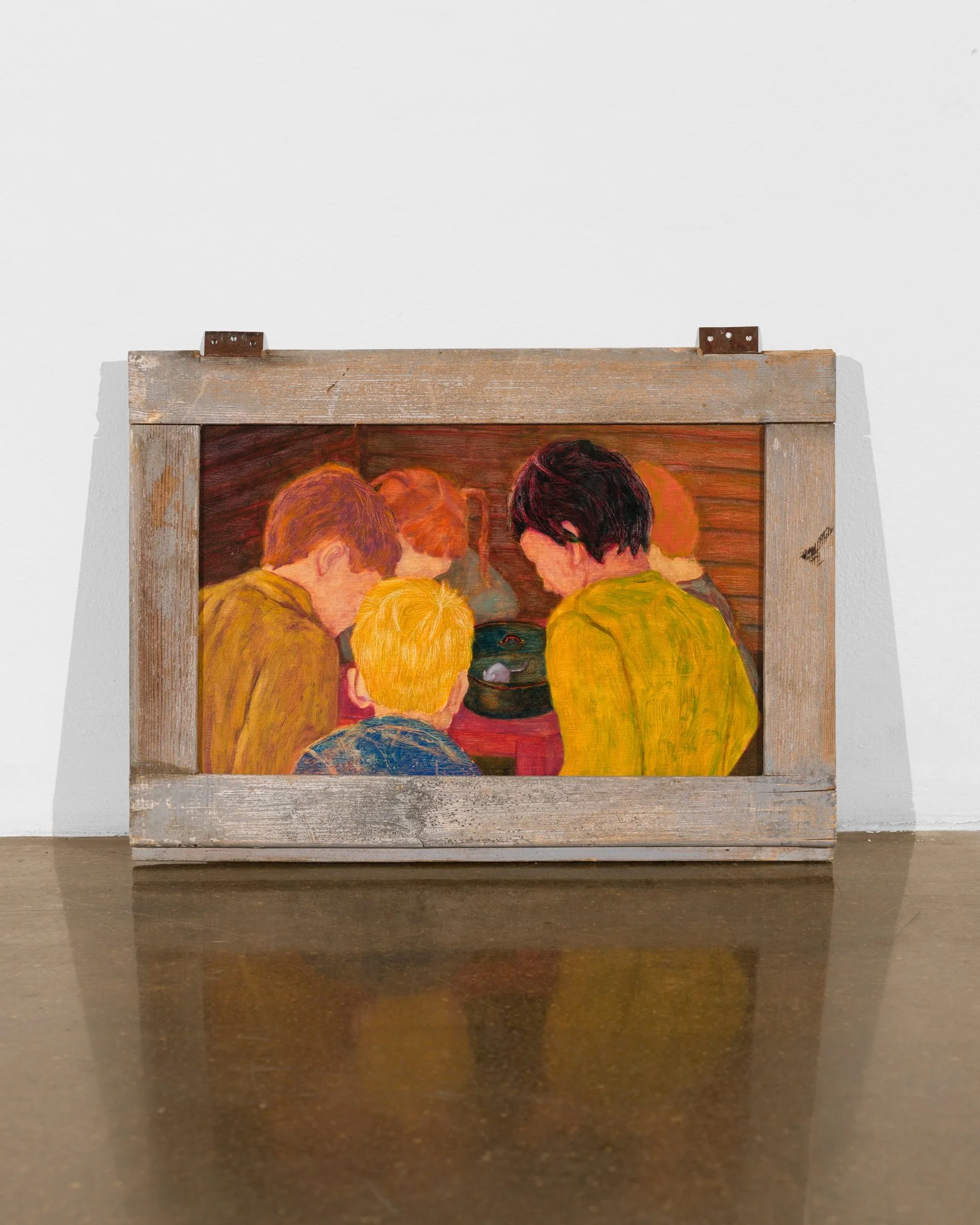
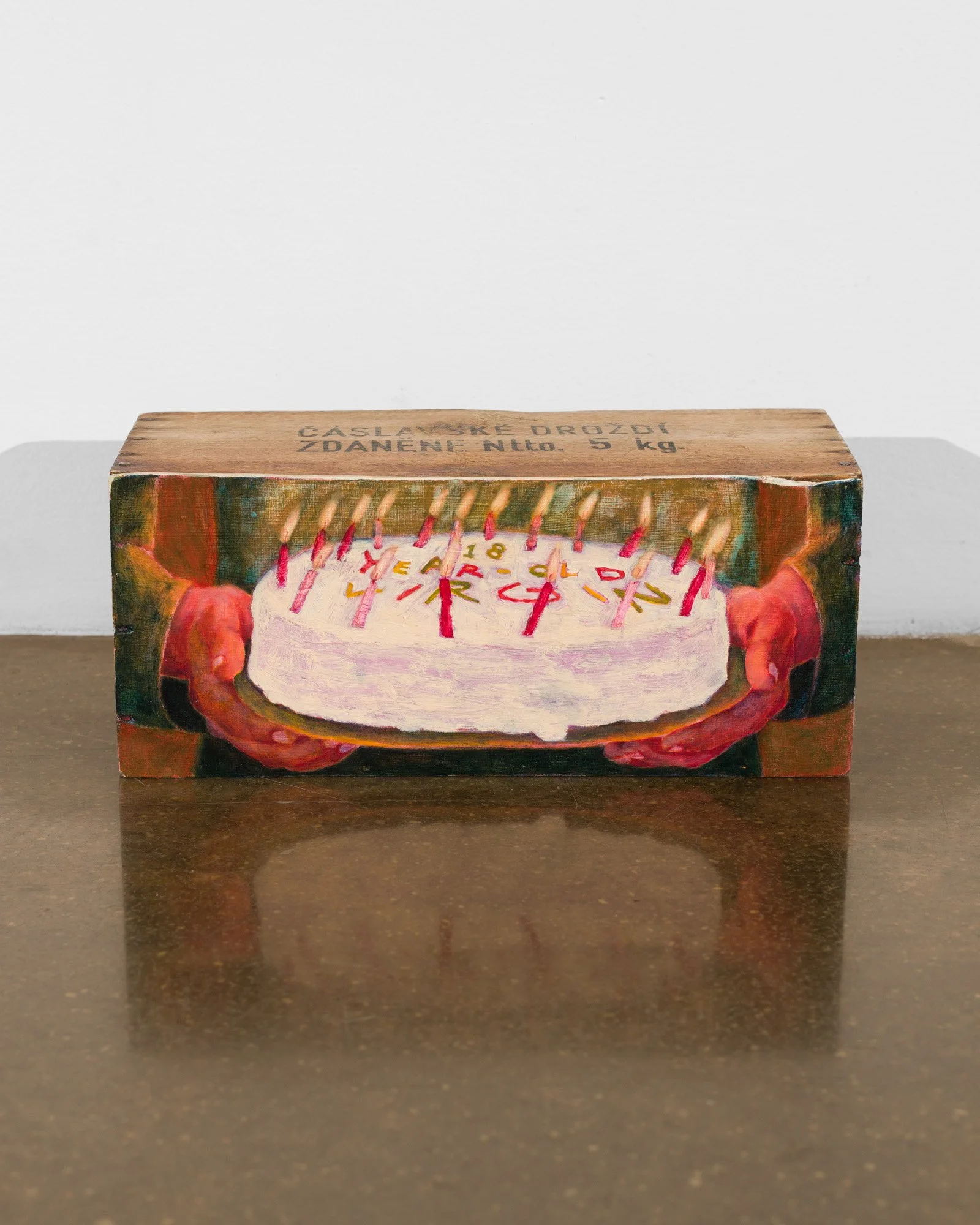
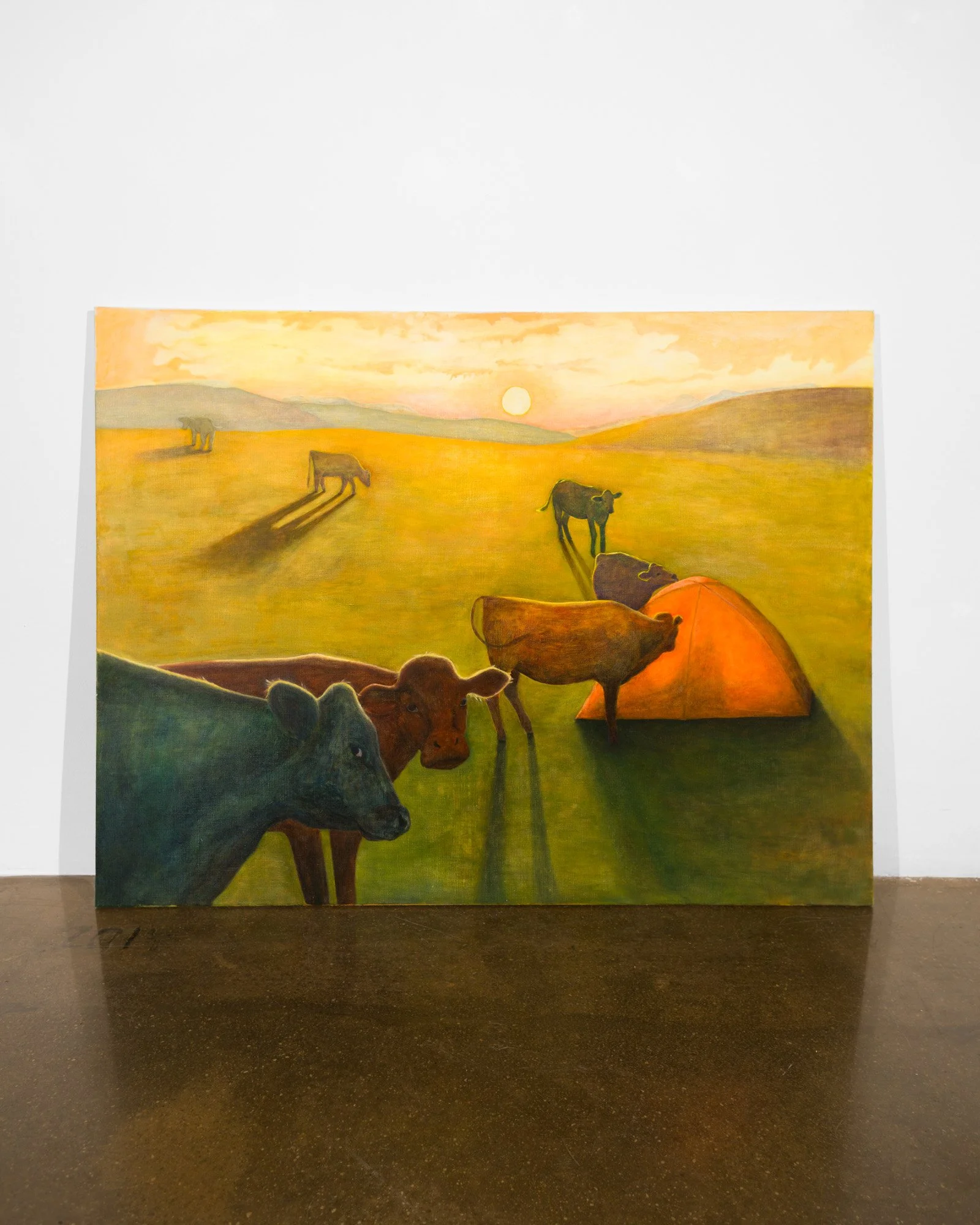
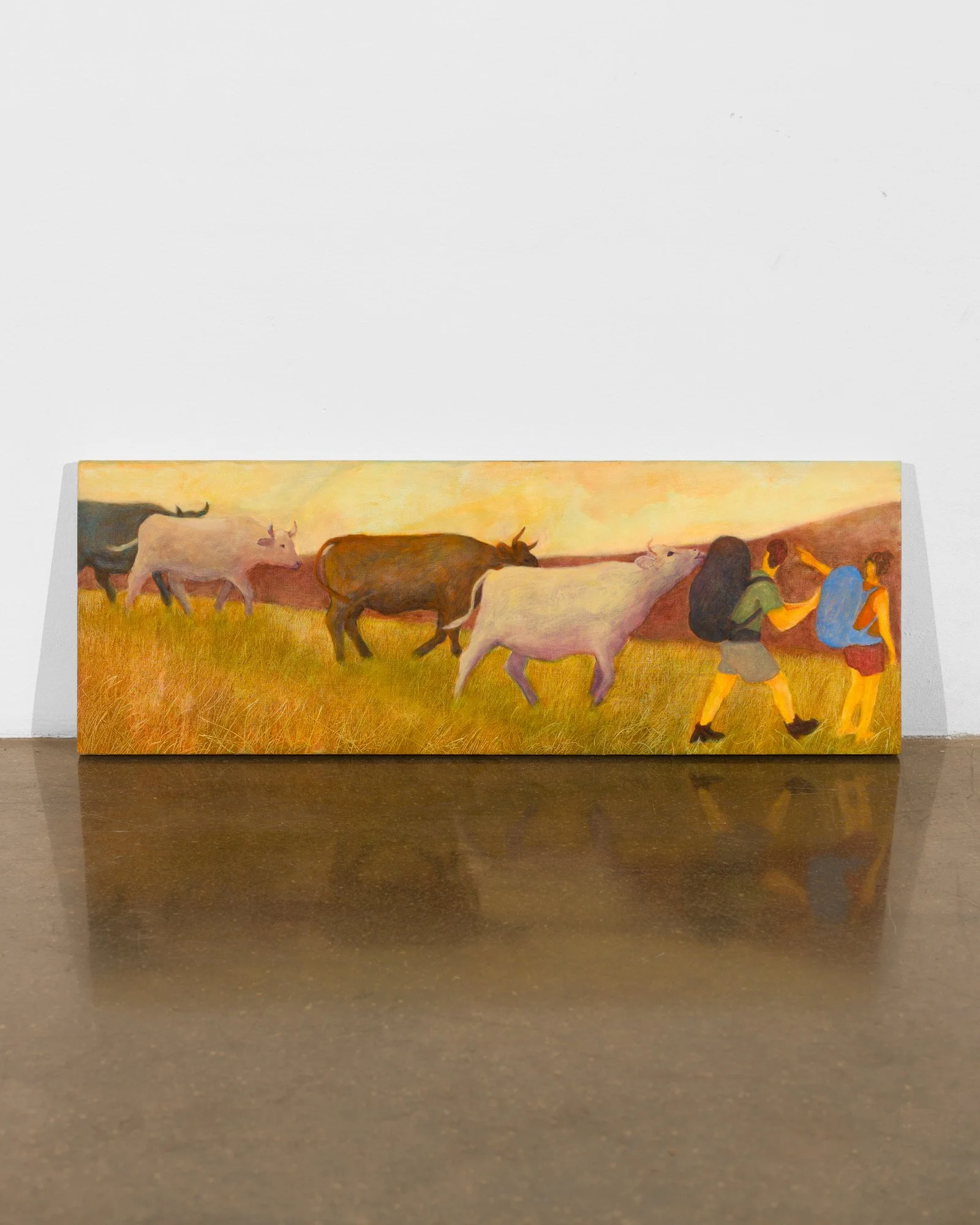
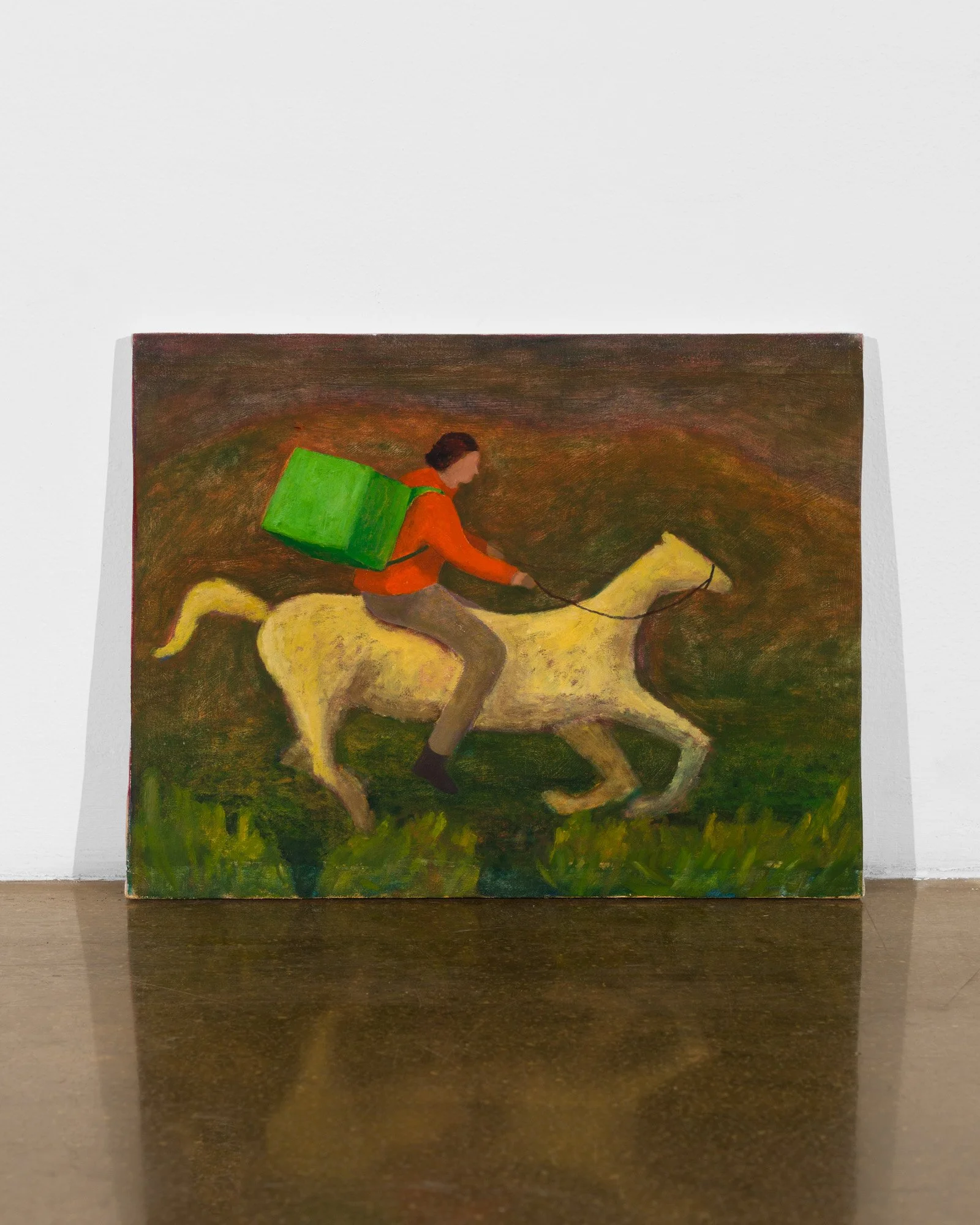
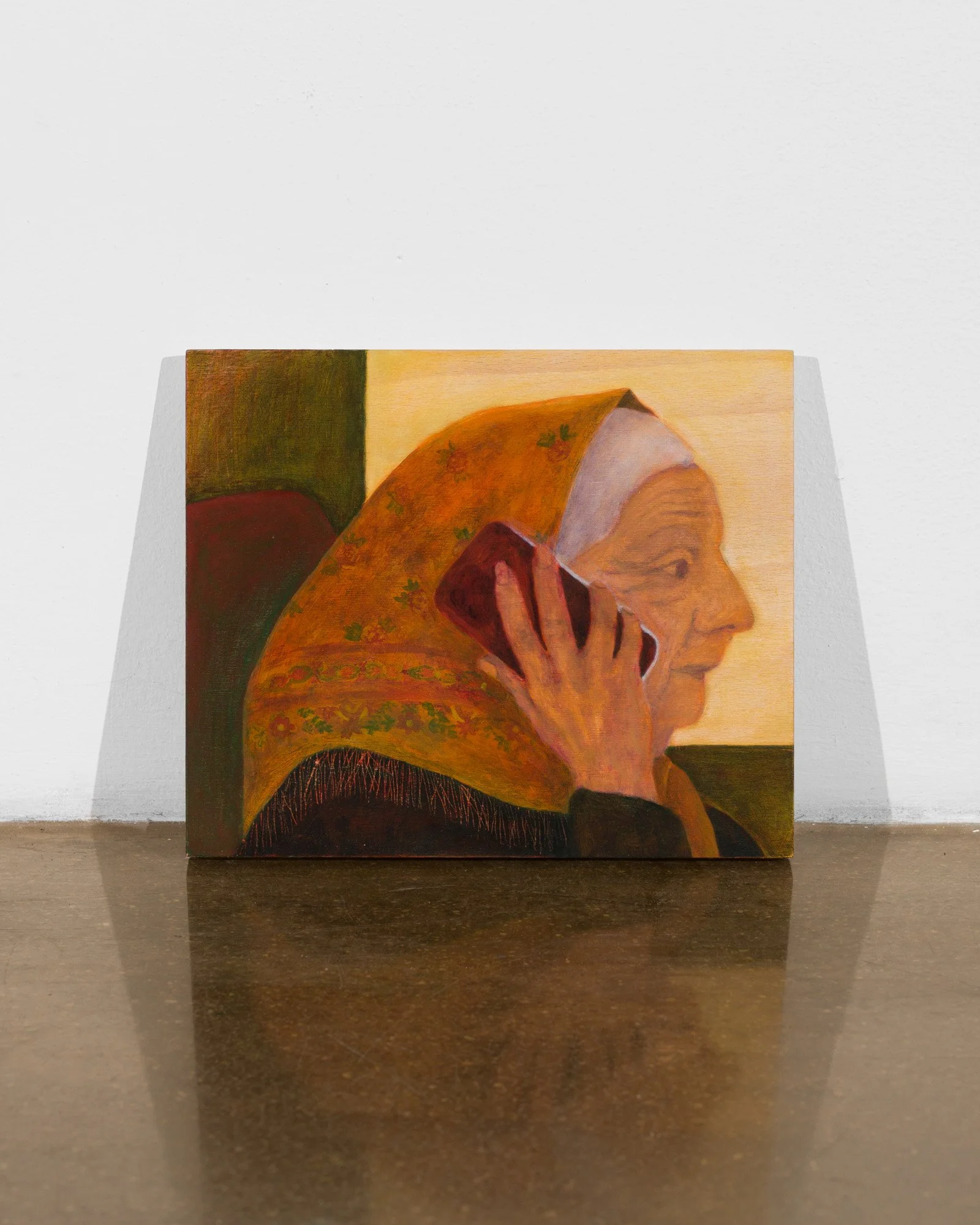
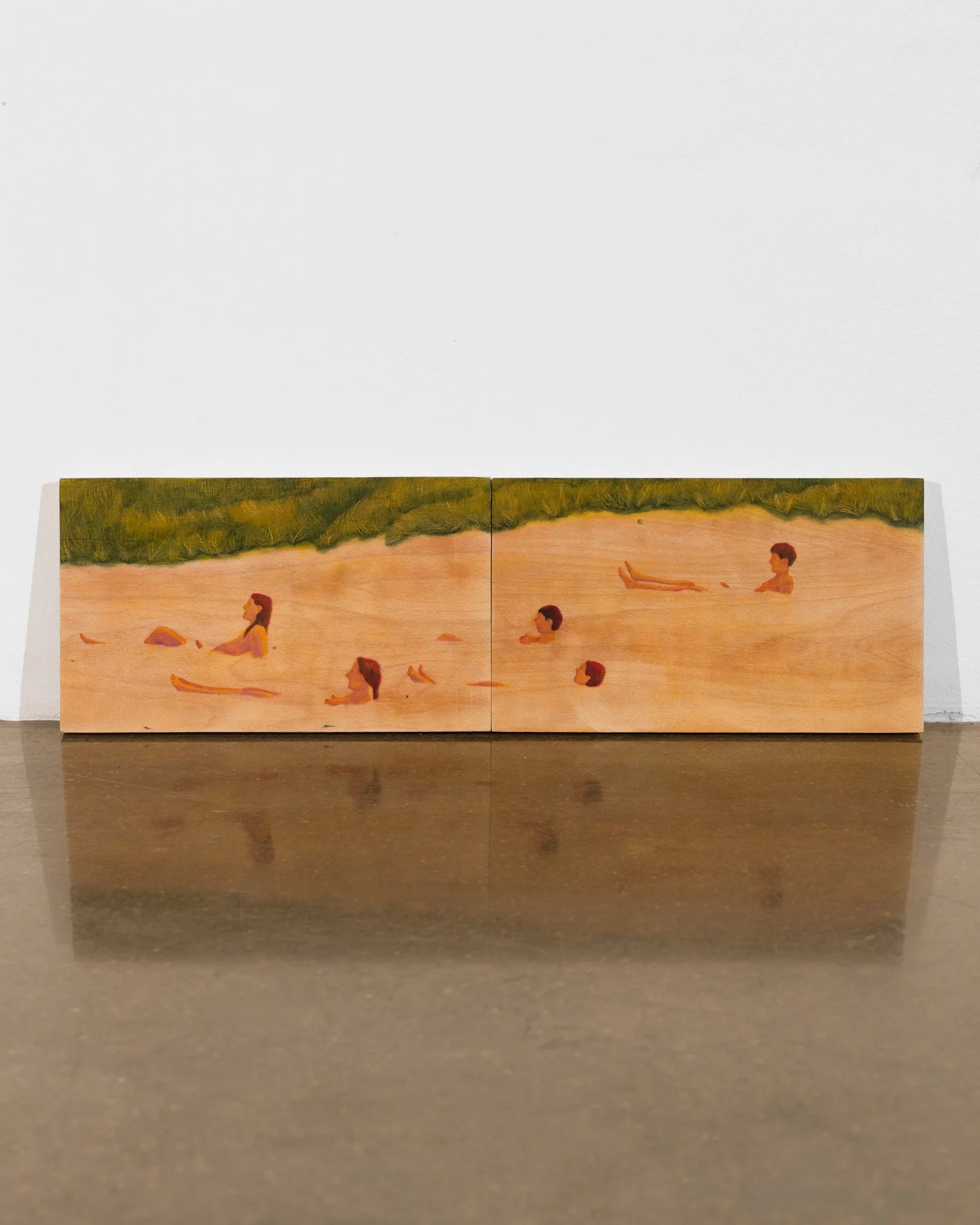
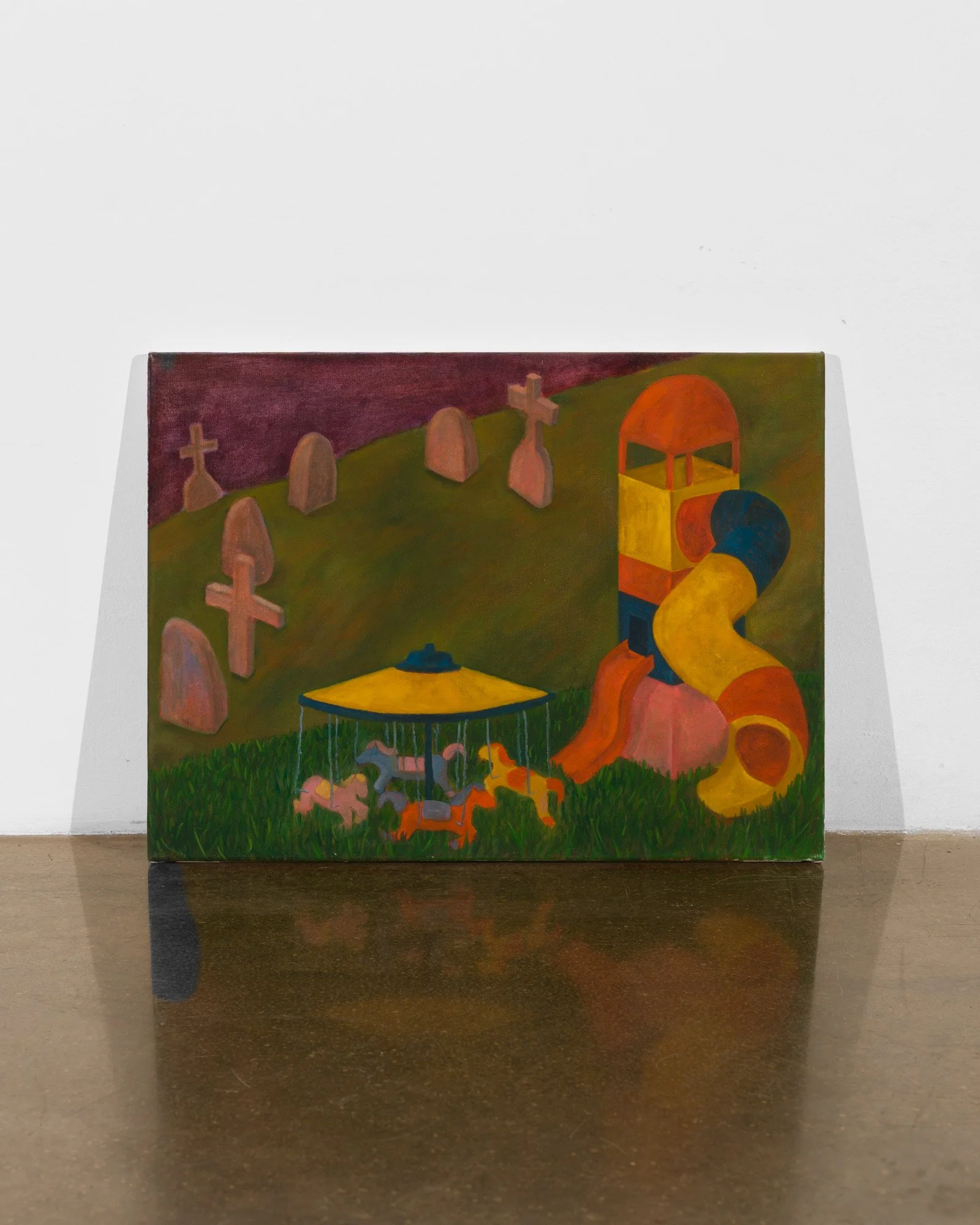
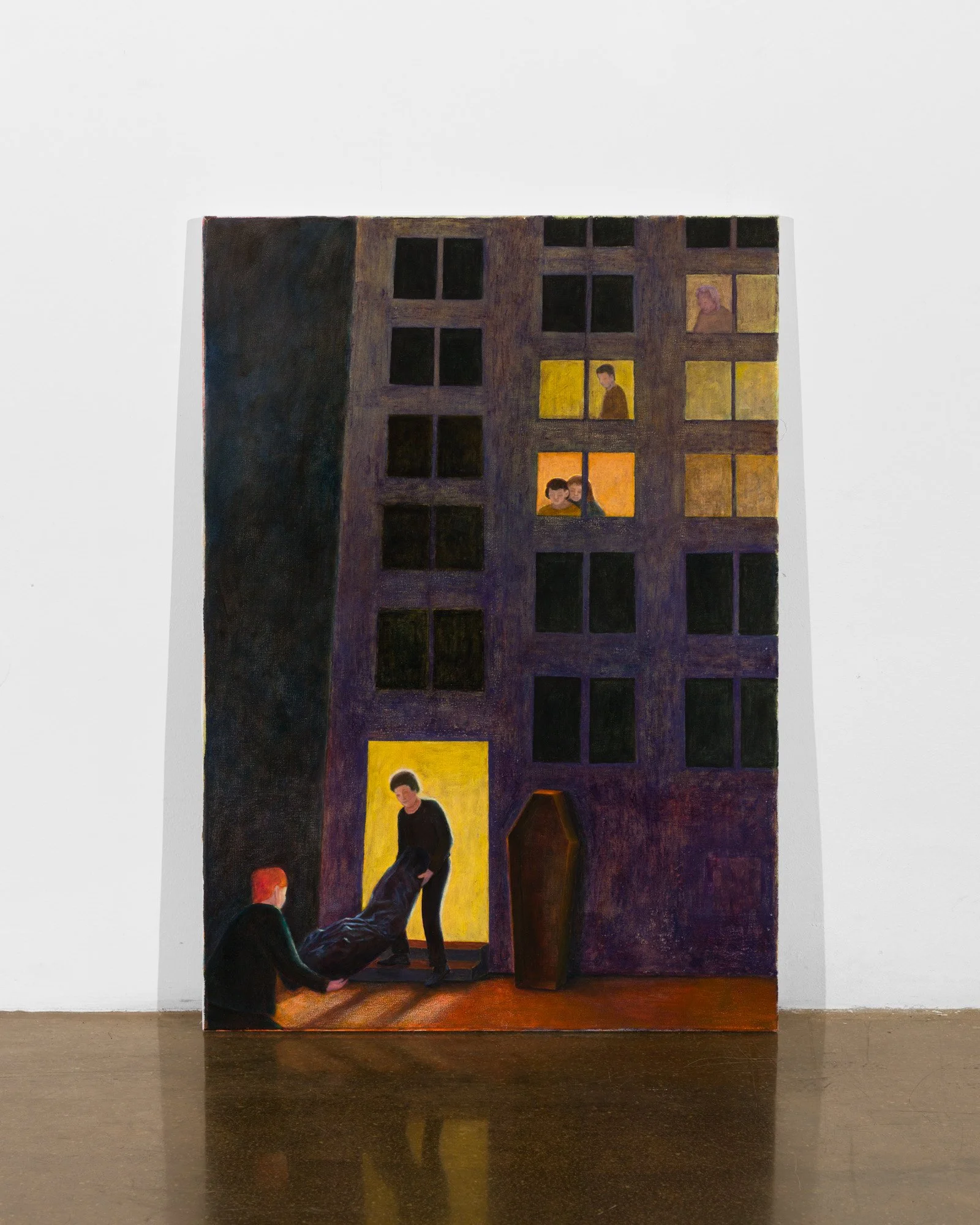
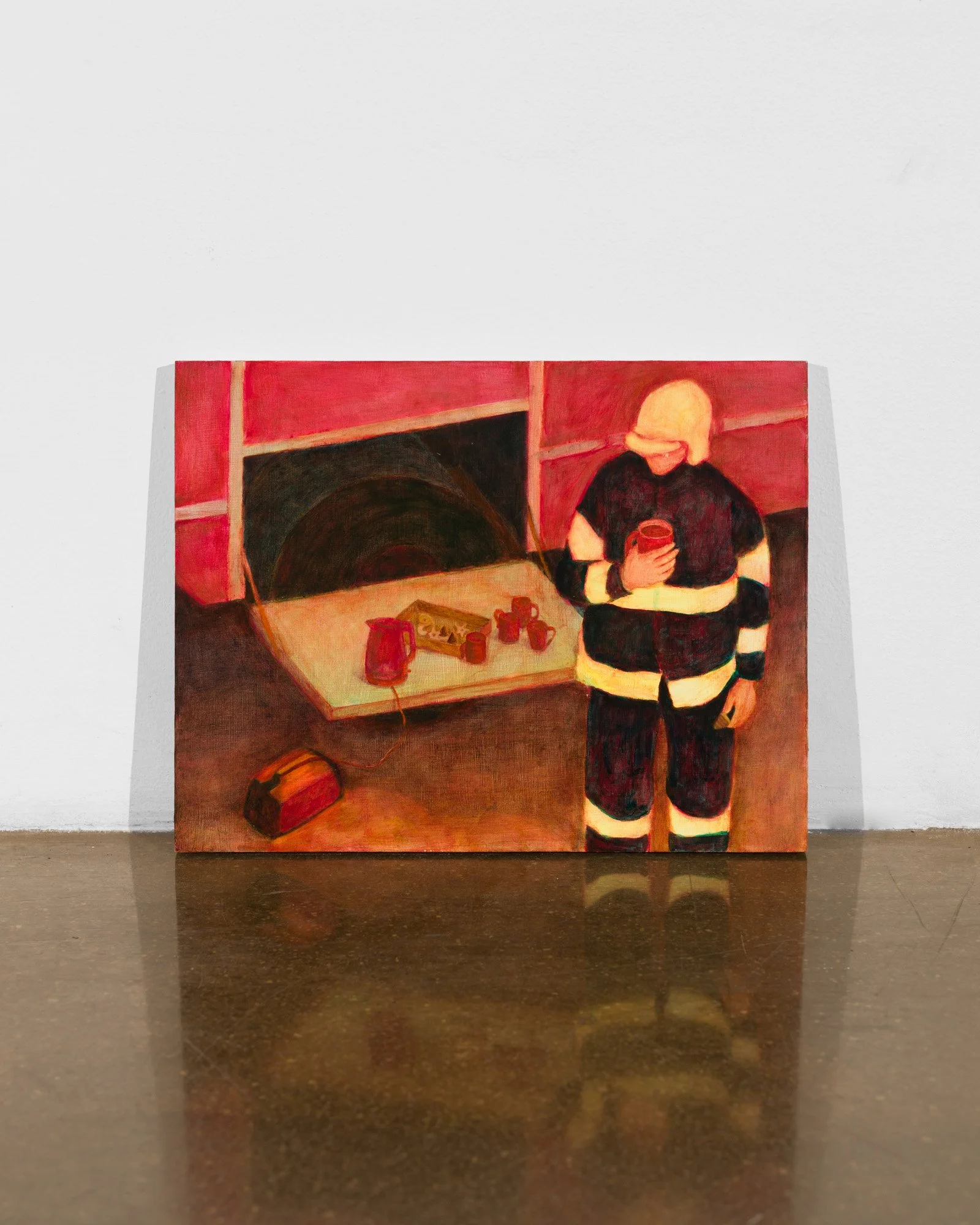
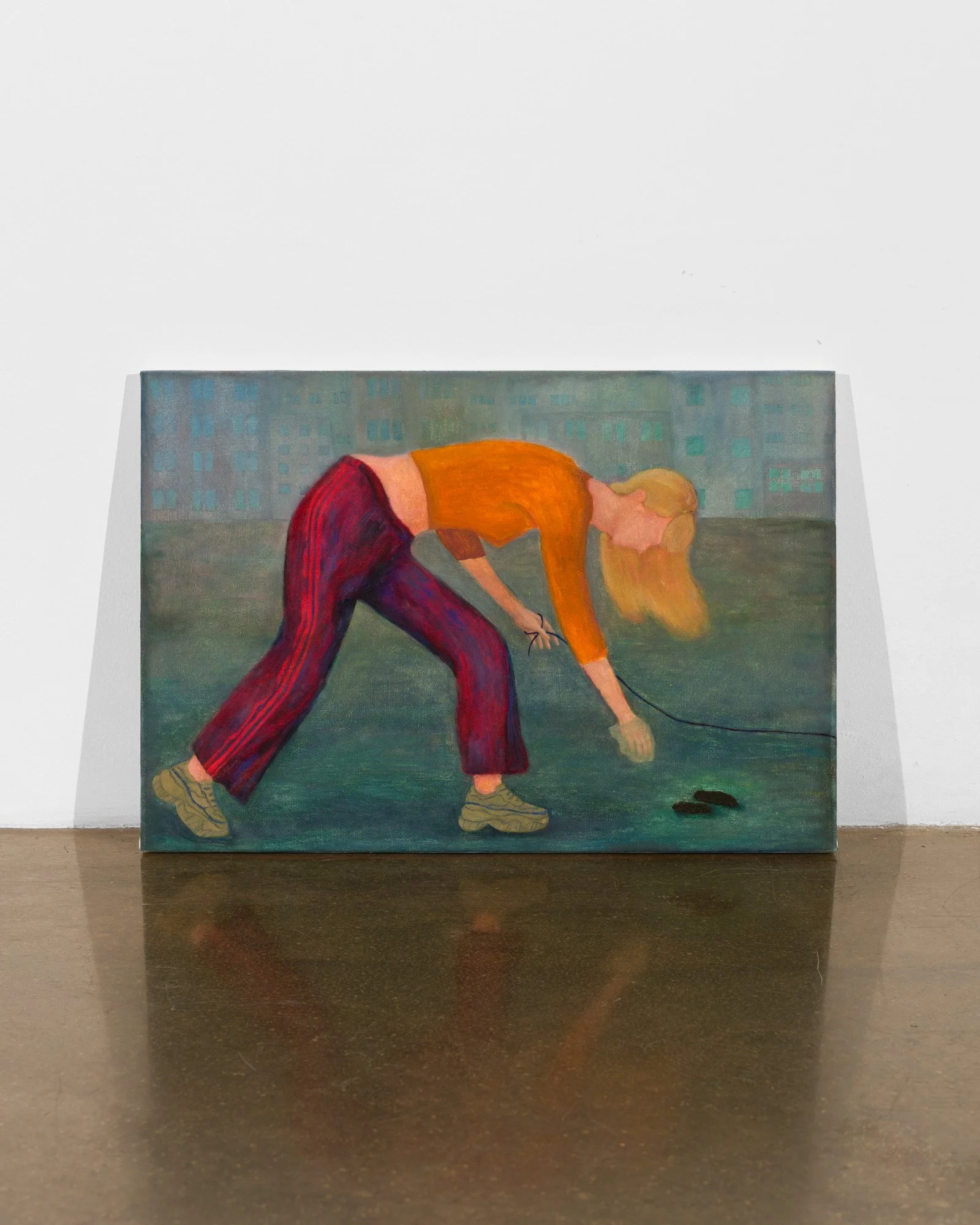
HIDDEN Bořivojova presents Čury Mury Fuk, a solo exhibition by Dora Hlinková. Once devoted to imagined, utopian landscapes, Hlinková now discovers landscape within lived experience itself. Working as a collector of experiences, she transforms fragments of shared journeys, friendships, campfires, and fleeting encounters into intimate paintings that preserve the emotional residue of memory.
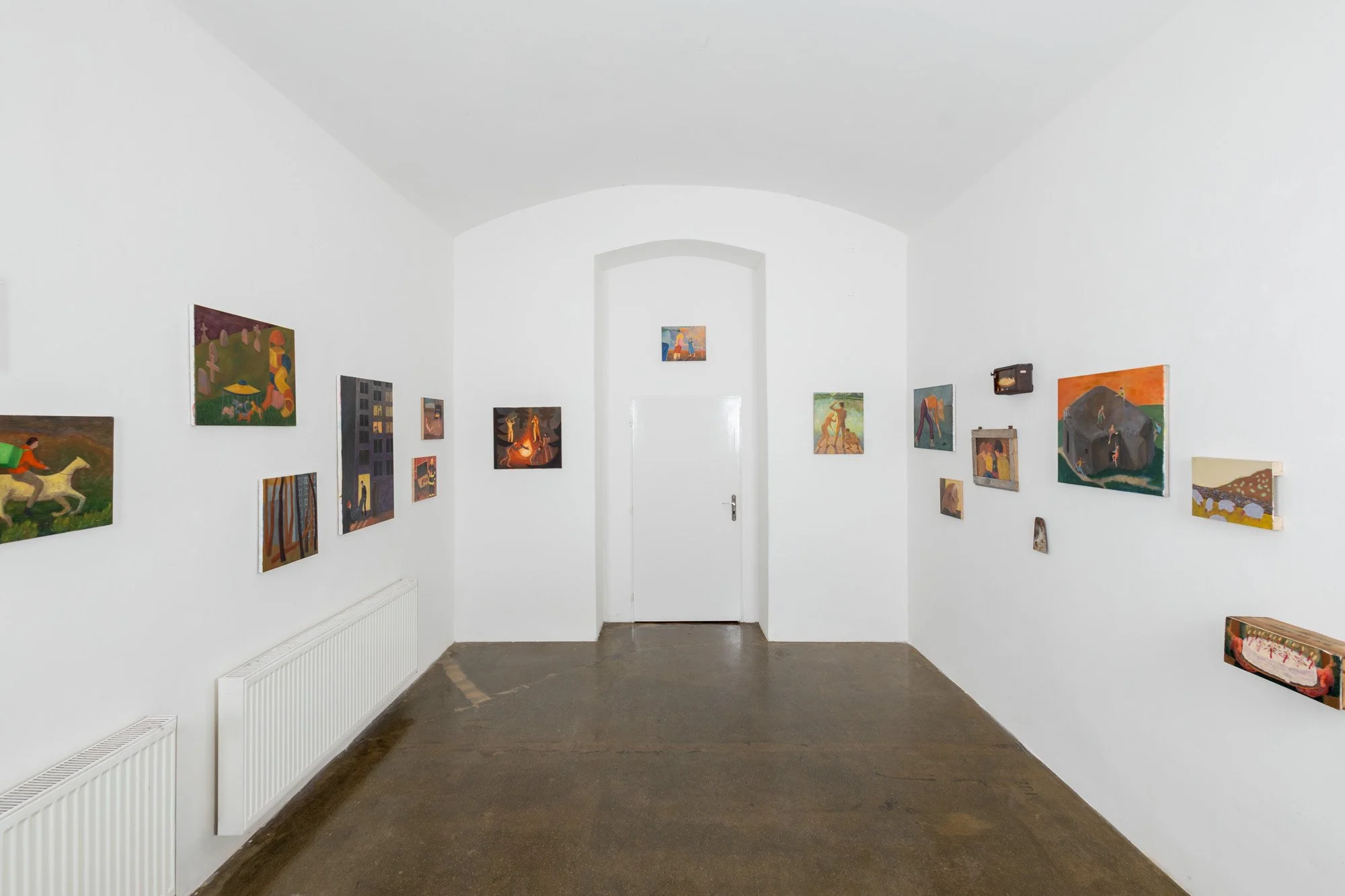
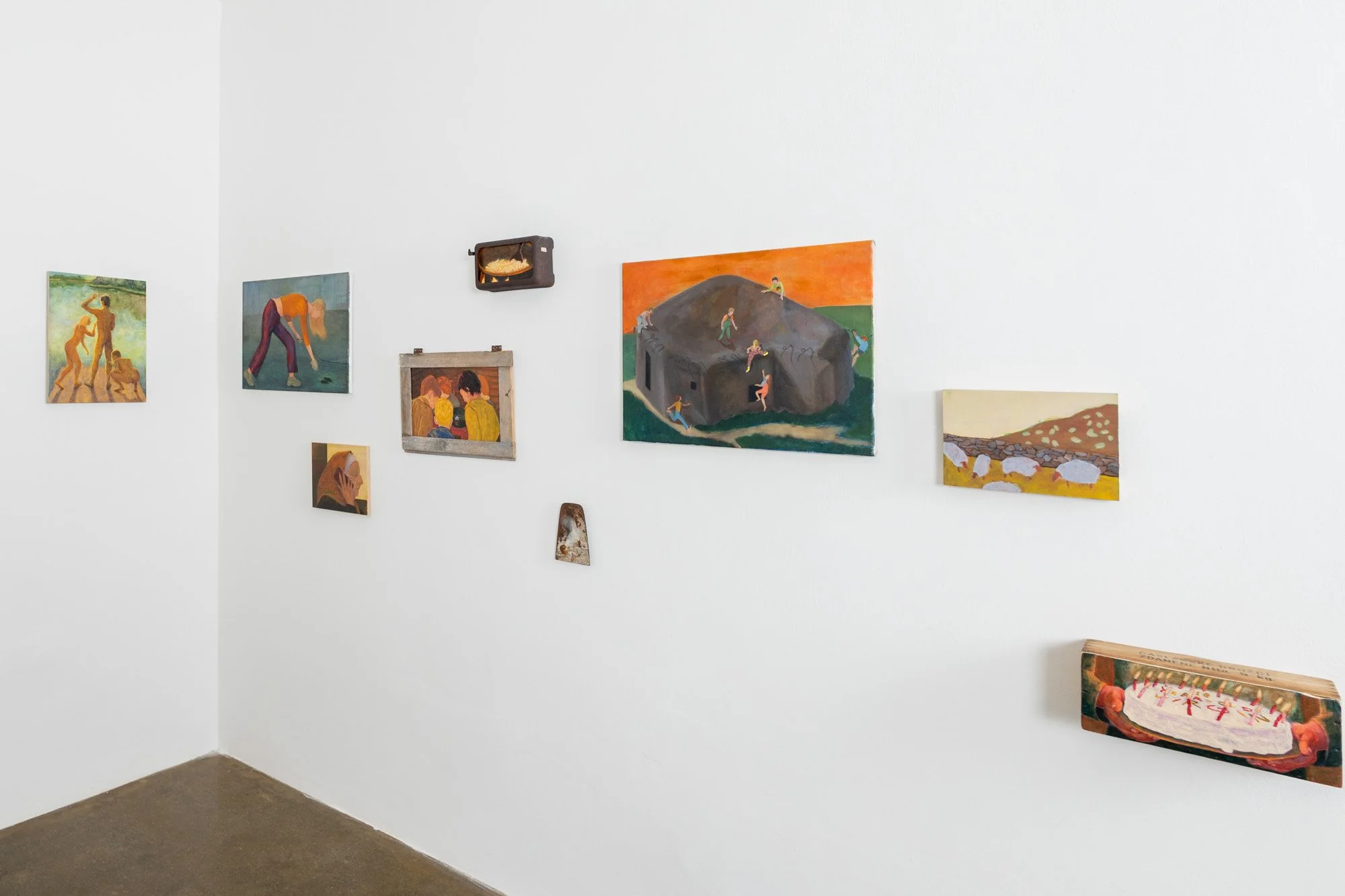
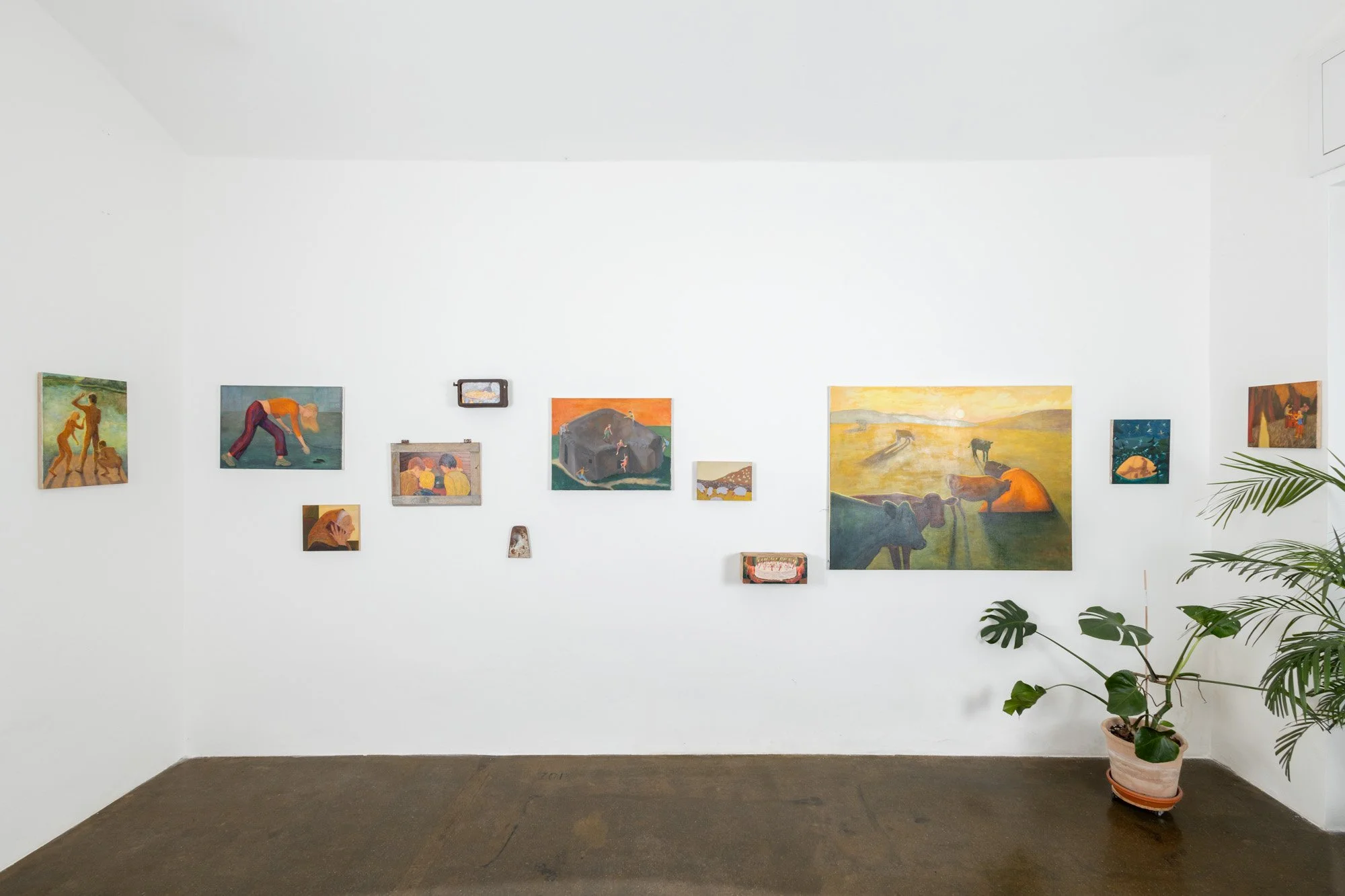
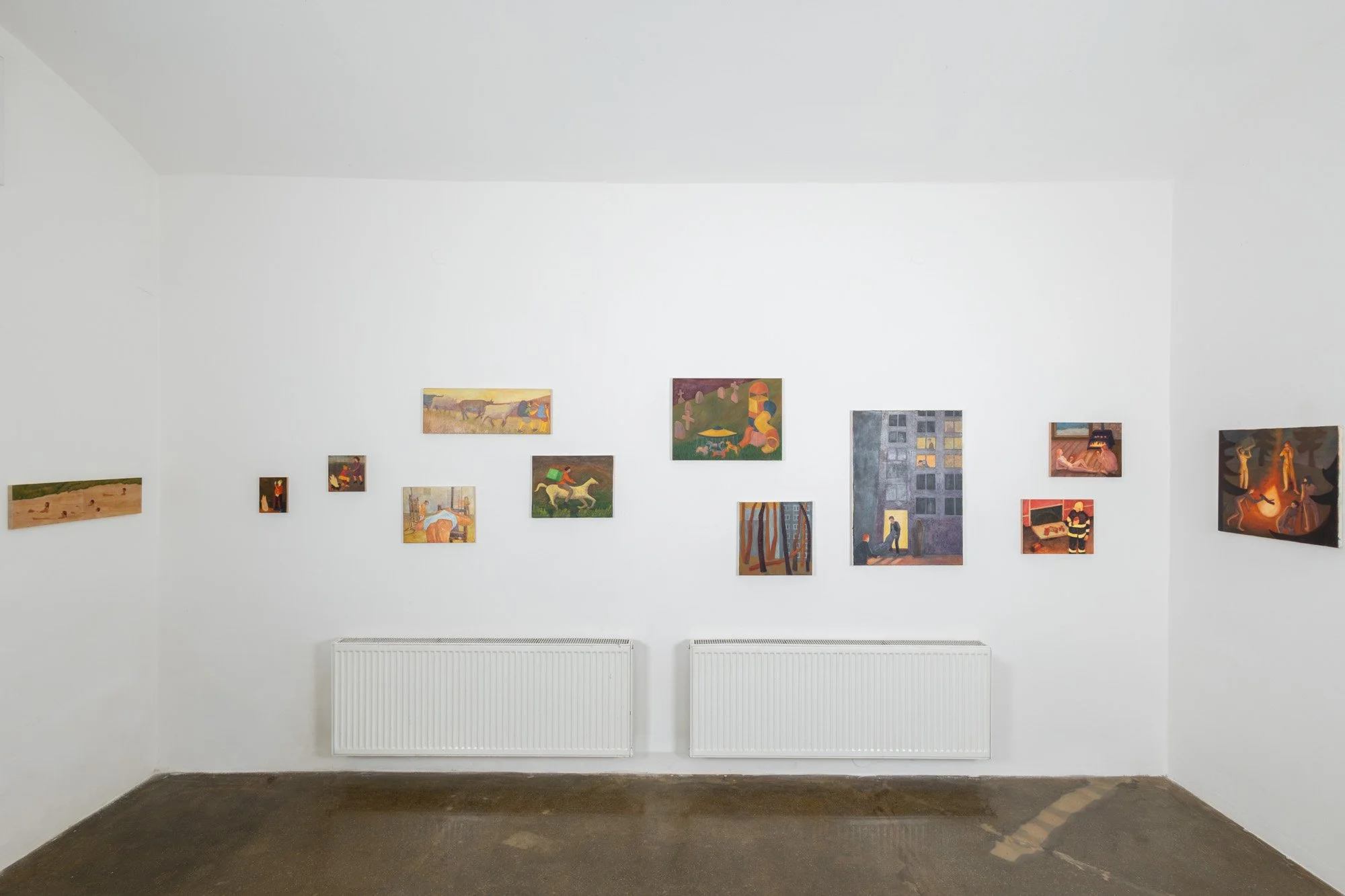
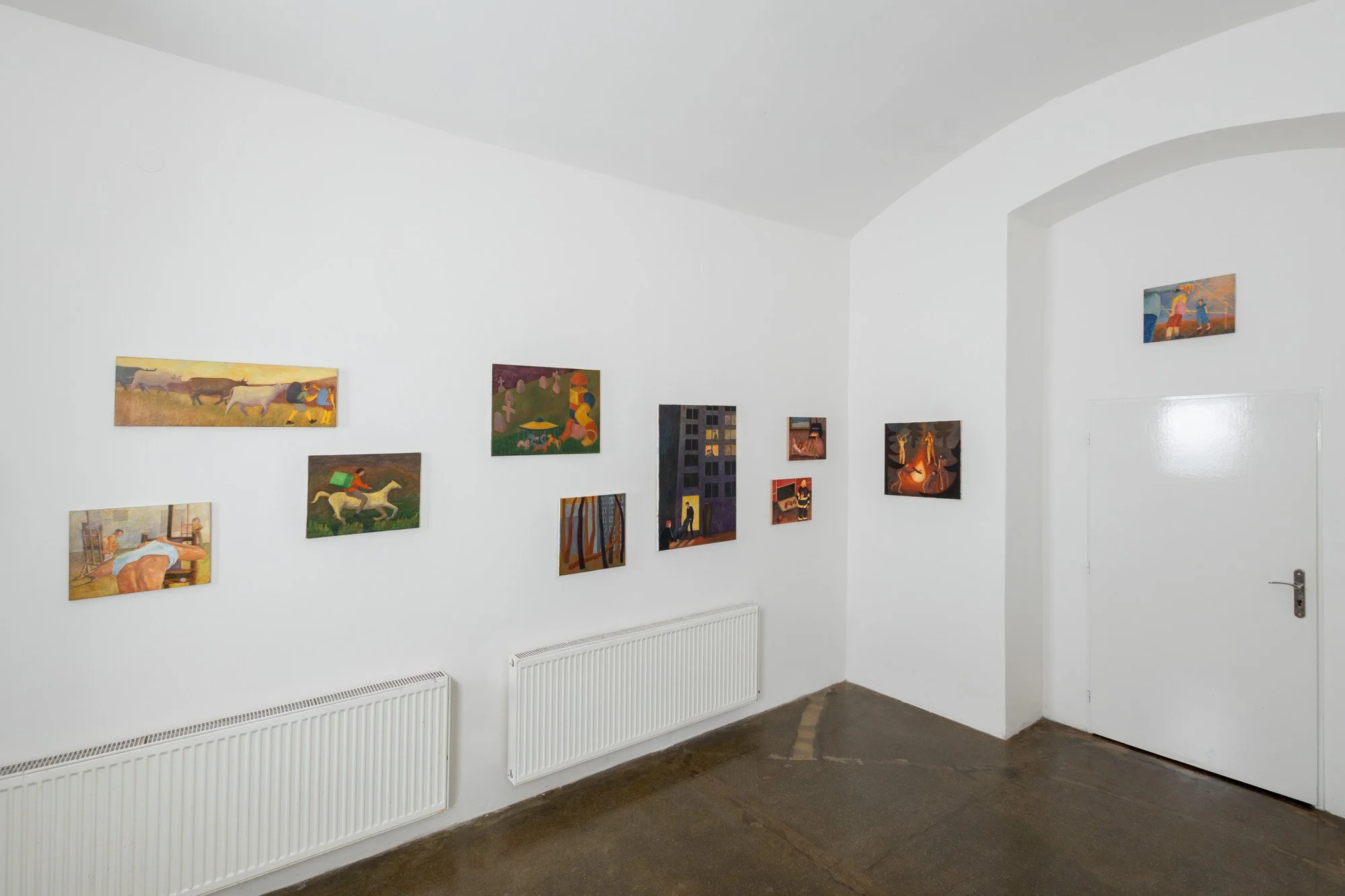
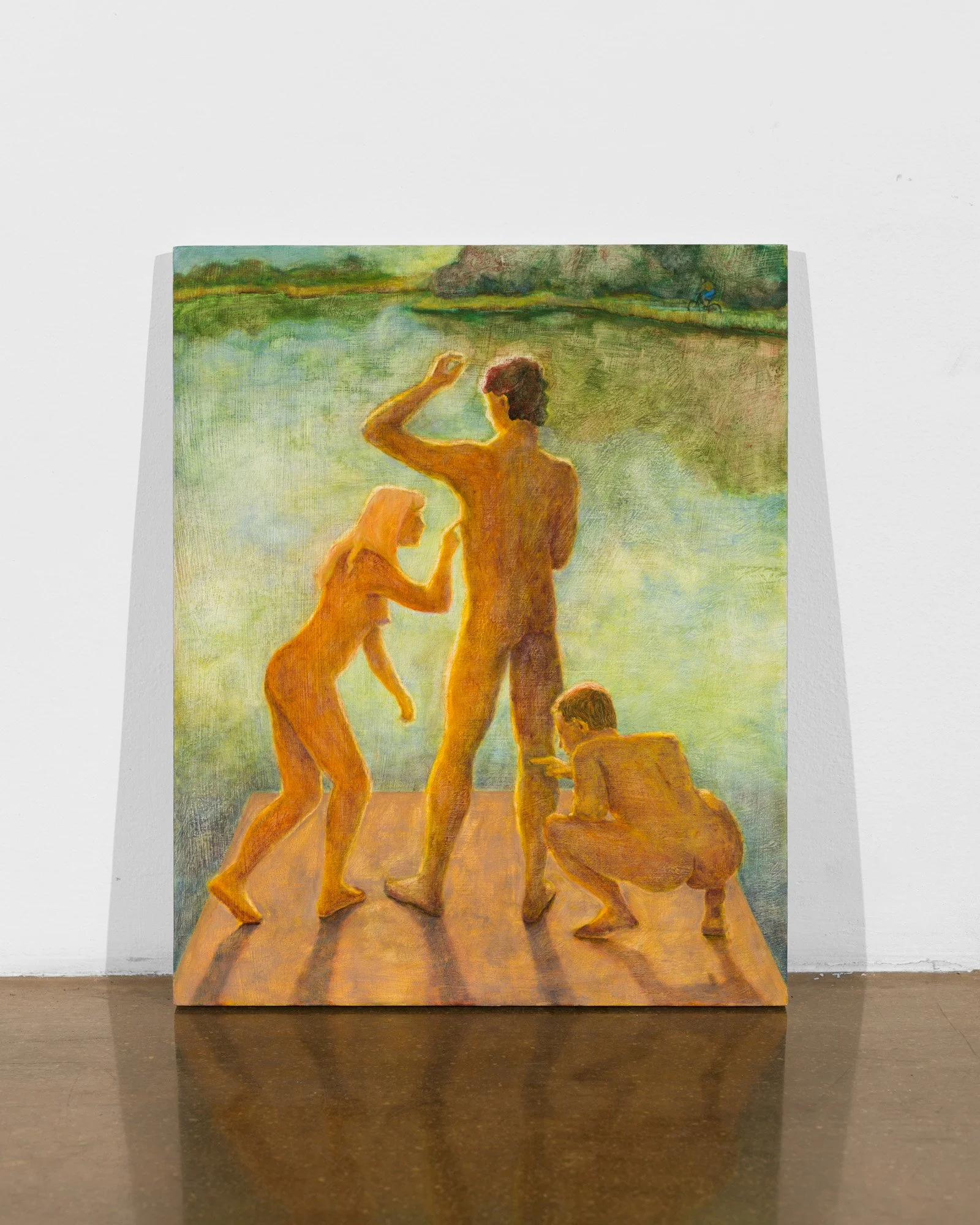
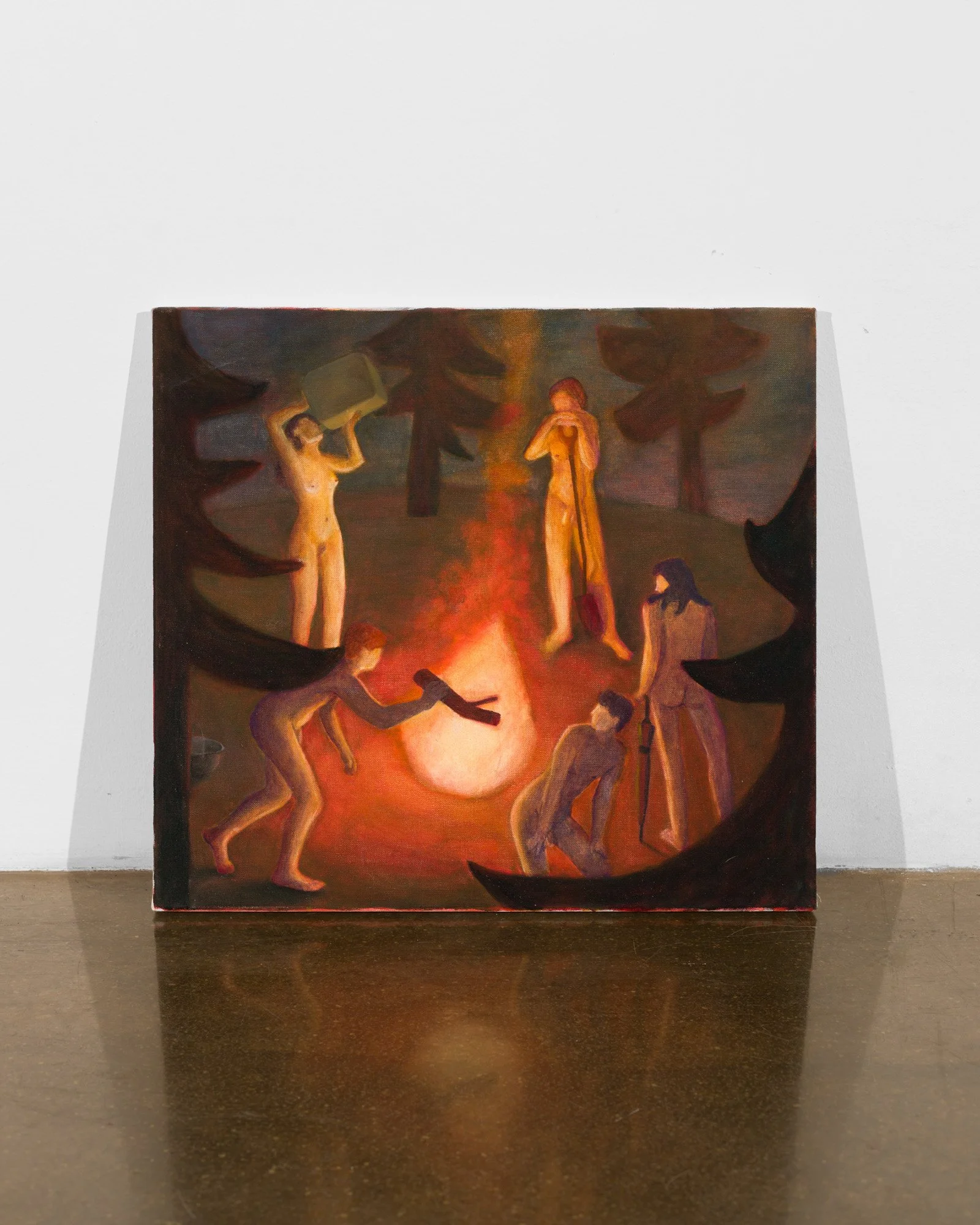
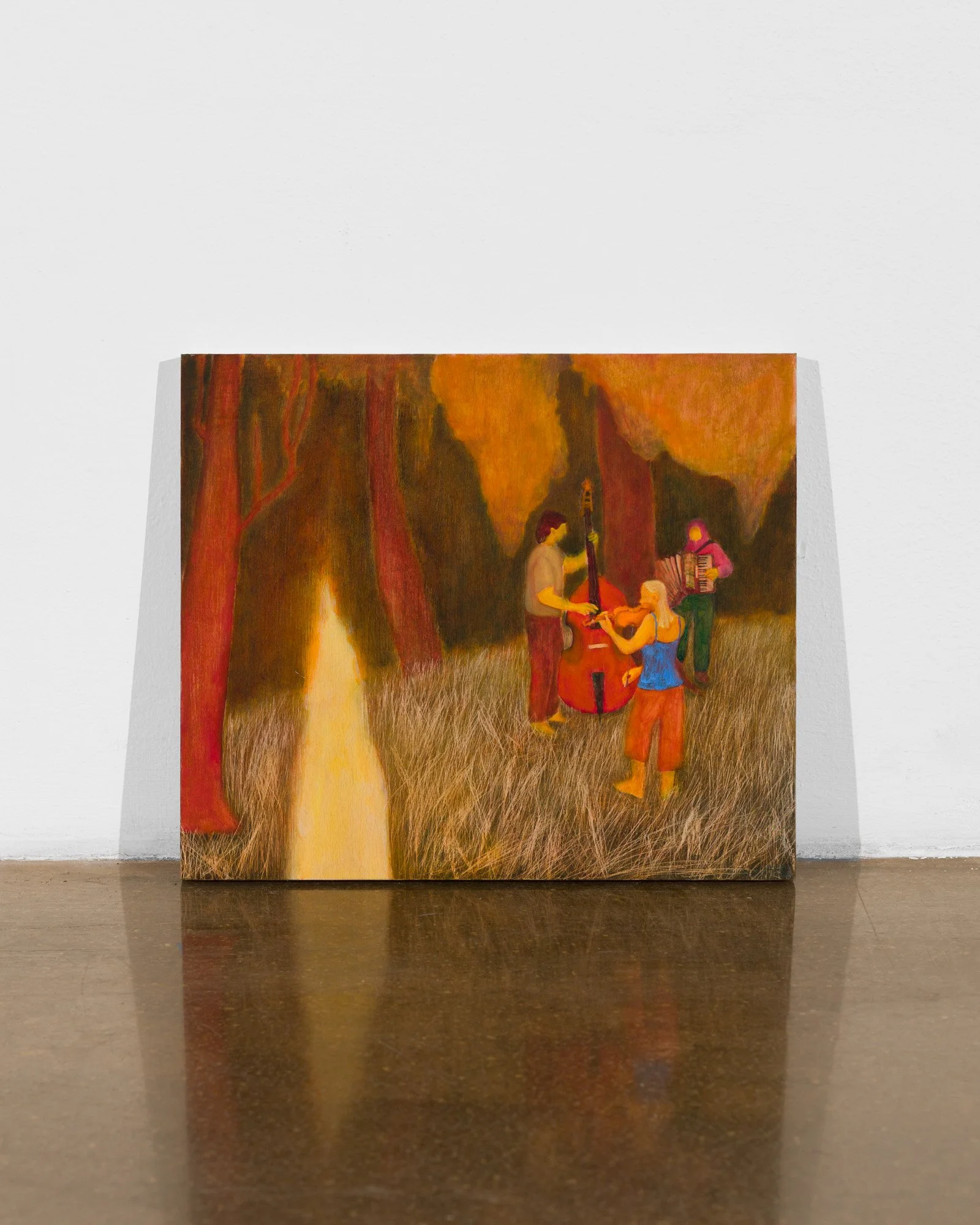
A few years ago, Dora Hlinková painted landscapes that bordered on the utopian—spaces seemingly untouched by people, suspended outside time and reality. In her recent work, however, that search has shifted. Rather than imagining an ideal landscape, she has begun to discover it within lived experience itself. The forest, the river, the campfire, the roadside stop, the fleeting encounter with friends, these moments have become her new terrain. The landscape no longer exists beyond life; it emerges through it.
This shift is more than a change of subject. It marks a transformation in the very source of her painting. Hlinková no longer begins with an imagined scene but with an experience. Her paintings grow out of shared walks, conversations, swimming in rivers, cooking over fire, accidental gestures, and quiet moments that most people would never think to preserve. They are not depictions of memorable events but of seemingly insignificant fragments that quietly refuse to disappear from memory. As she said: my paintings are built from “small moments collected and rearranged into new relationships,” where meaning emerges not from individual images but from the tension between them.
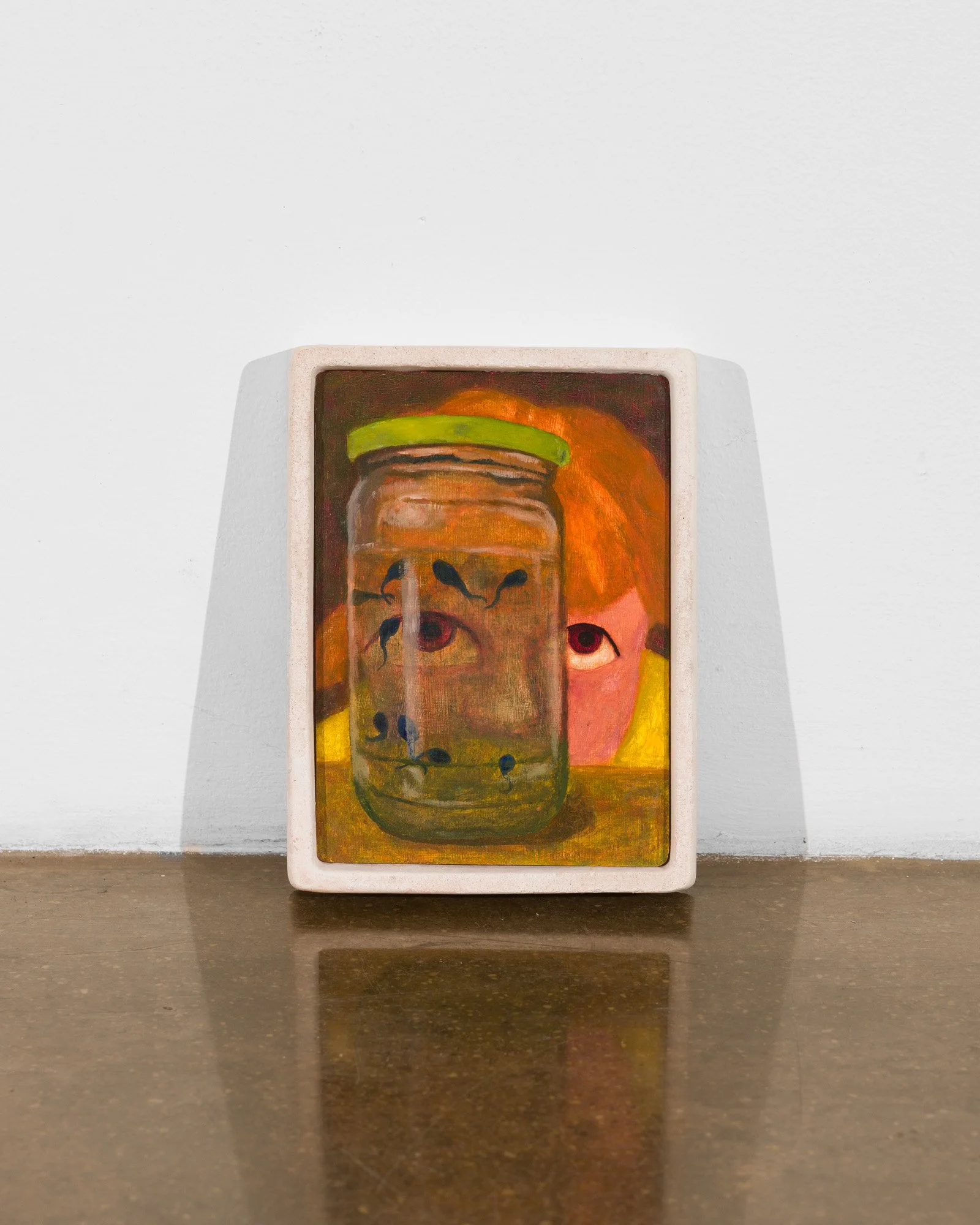
Her paintings therefore resist the logic of illustration. They function instead as sediments of memory. What remains is not the event itself but what survives forgetting. Memory is never treated as an archive of facts but as a process of reduction, where unnecessary details fall away until only the emotional structure of an experience remains. Hlinková deliberately embraces this incompleteness, allowing the painting to remain open rather than descriptive.
In many ways, she is still doing what she did as a child. She recalls collecting beautiful stones from a stream and bringing them home to arrange small exhibitions for her family. The stones themselves were never the point. What mattered was the instinct to stop, notice something overlooked, and share it with someone else. She describes that impulse with remarkable simplicity: “You don’t really know why, but you want to keep it. You want to show it to someone.
That childhood gesture has evolved into the central principle of her artistic practice. Hlinková is, above all, a collector of experiences. Instead of gathering objects, she gathers situations—moments that accumulate quietly over time, like stones in a pocket. Individually they may seem ordinary, almost insignificant. Together they form a cartography of relationships, memories, and ways of inhabiting the world.
This is why recurring motifs such as campfires, rivers, forests, animals, shared meals, or moments of bodily vulnerability appear throughout her work. They are not symbols in the conventional sense, nor nostalgic representations of nature. They are places where human experience becomes concentrated. A fire is not a metaphor but the memory of people sitting together. A river is not simply a landscape but a place where friendship, uncertainty, freedom, and time briefly intersect.
Hlinková’s paintings avoid both romantic nostalgia and documentary realism. They neither idealize the past nor attempt to reconstruct it faithfully. Instead, painting becomes a way of preserving the emotional density of an experience long after the event itself has disappeared. What remains is not a record but an atmosphere—a quiet recognition that the most enduring memories often arise from moments that initially seemed too ordinary to matter.
Perhaps this is what makes her work feel both intimate and unexpectedly universal. Her paintings do not search for extraordinary subjects or grand narratives. They remind us that meaning rarely arrives through spectacle. More often, it appears when we pause, bend down, pick something up from the ground, and decide that it is worth keeping, not because we fully understand it, but because, somehow, it deserves to be shown to someone else.
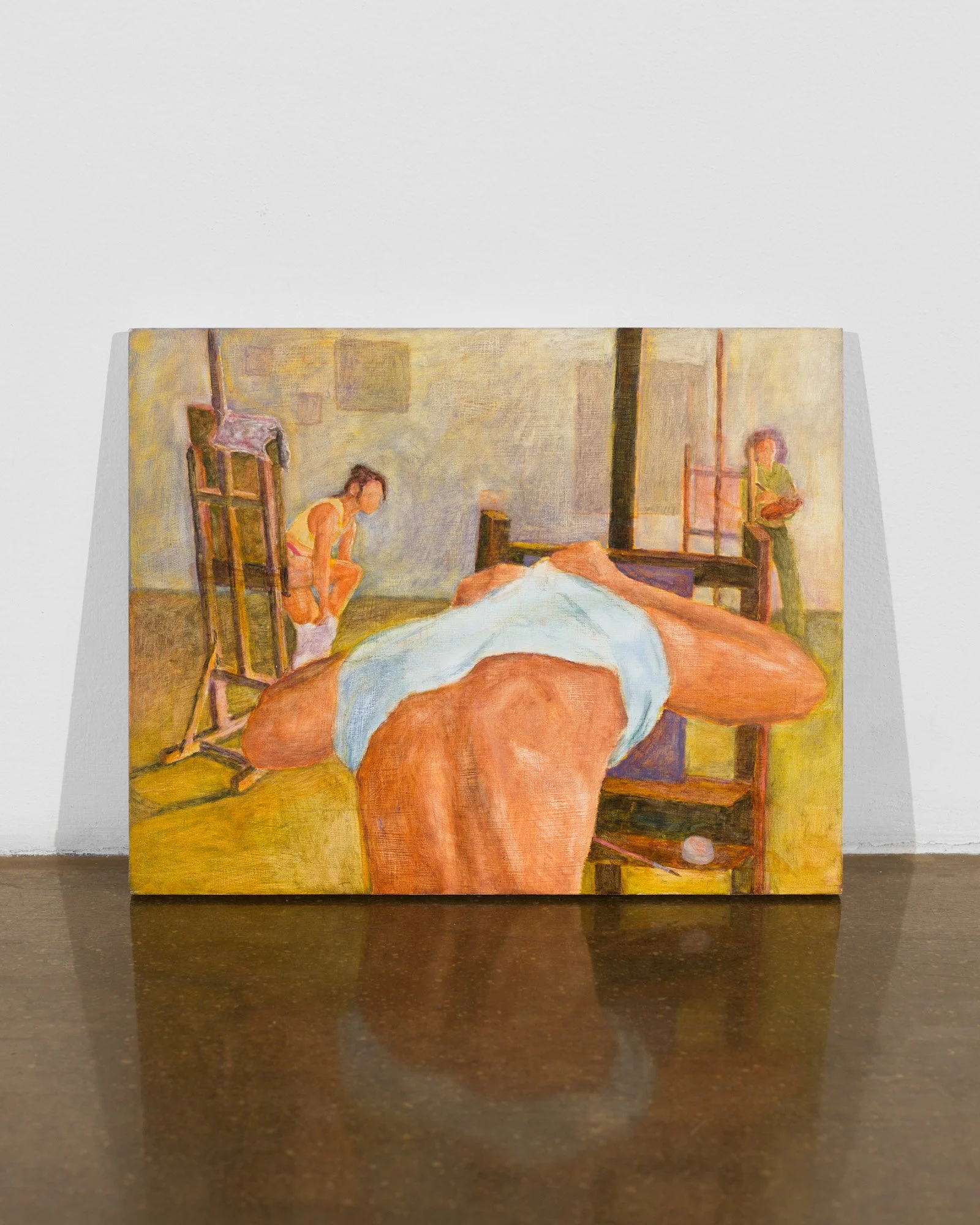
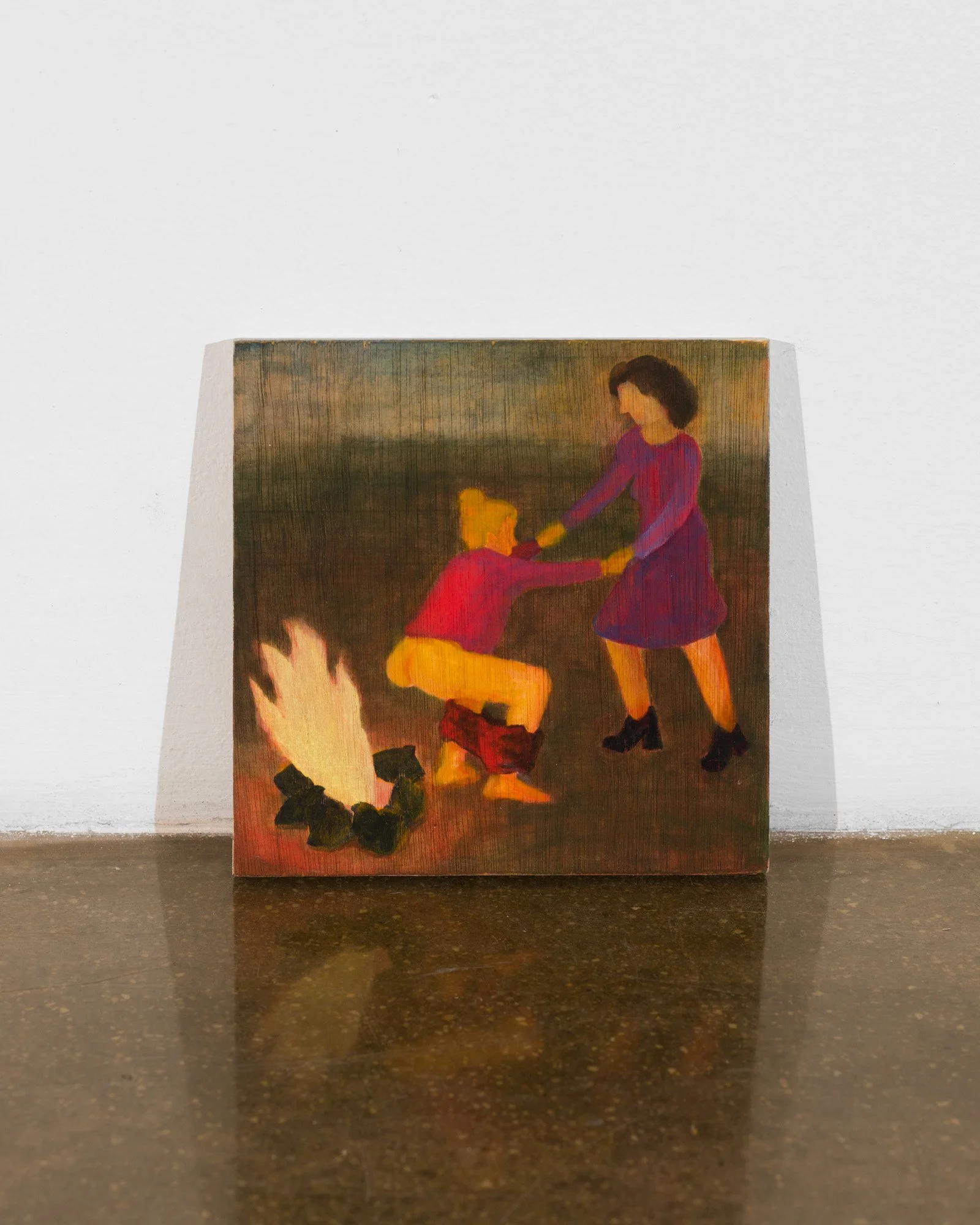
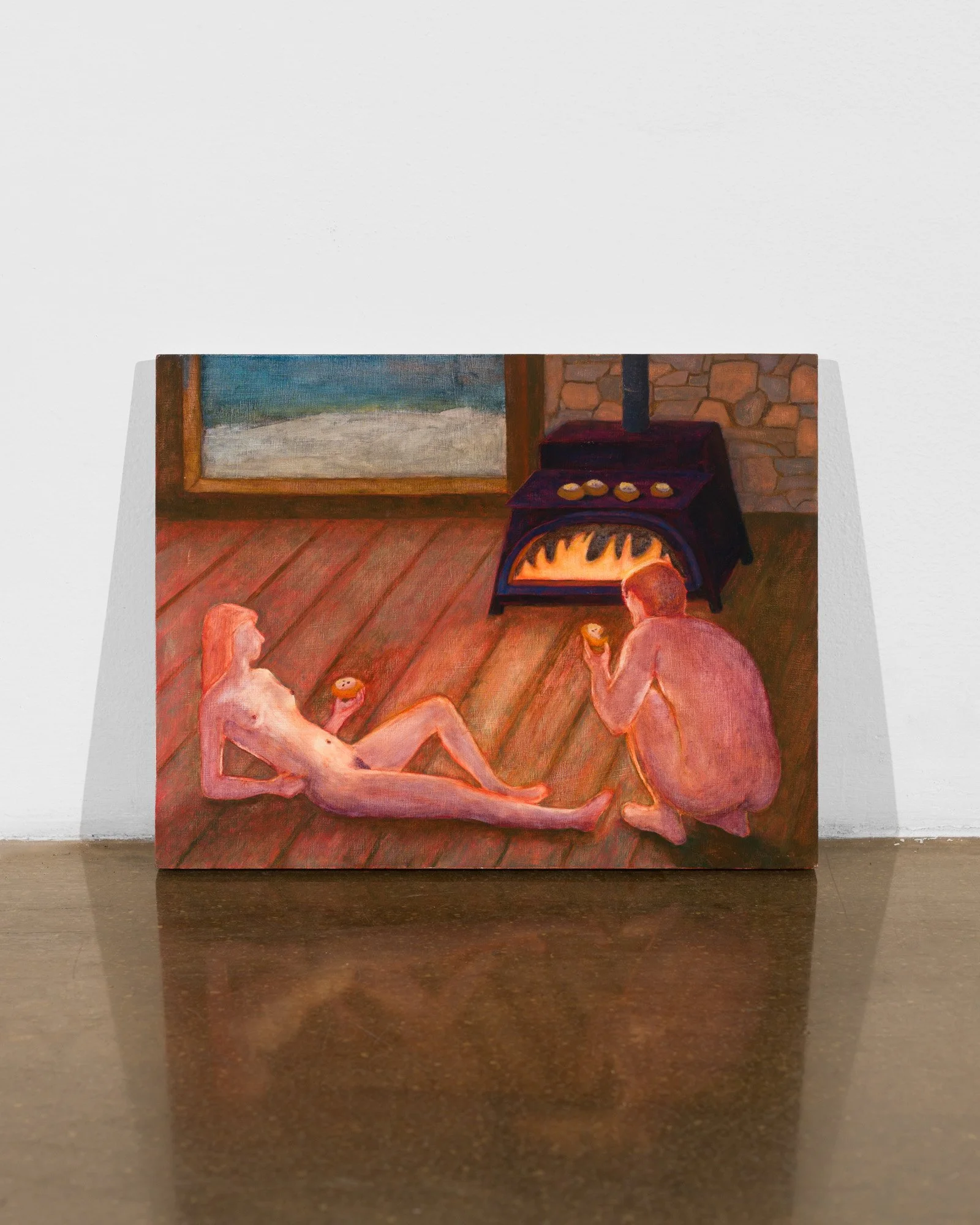
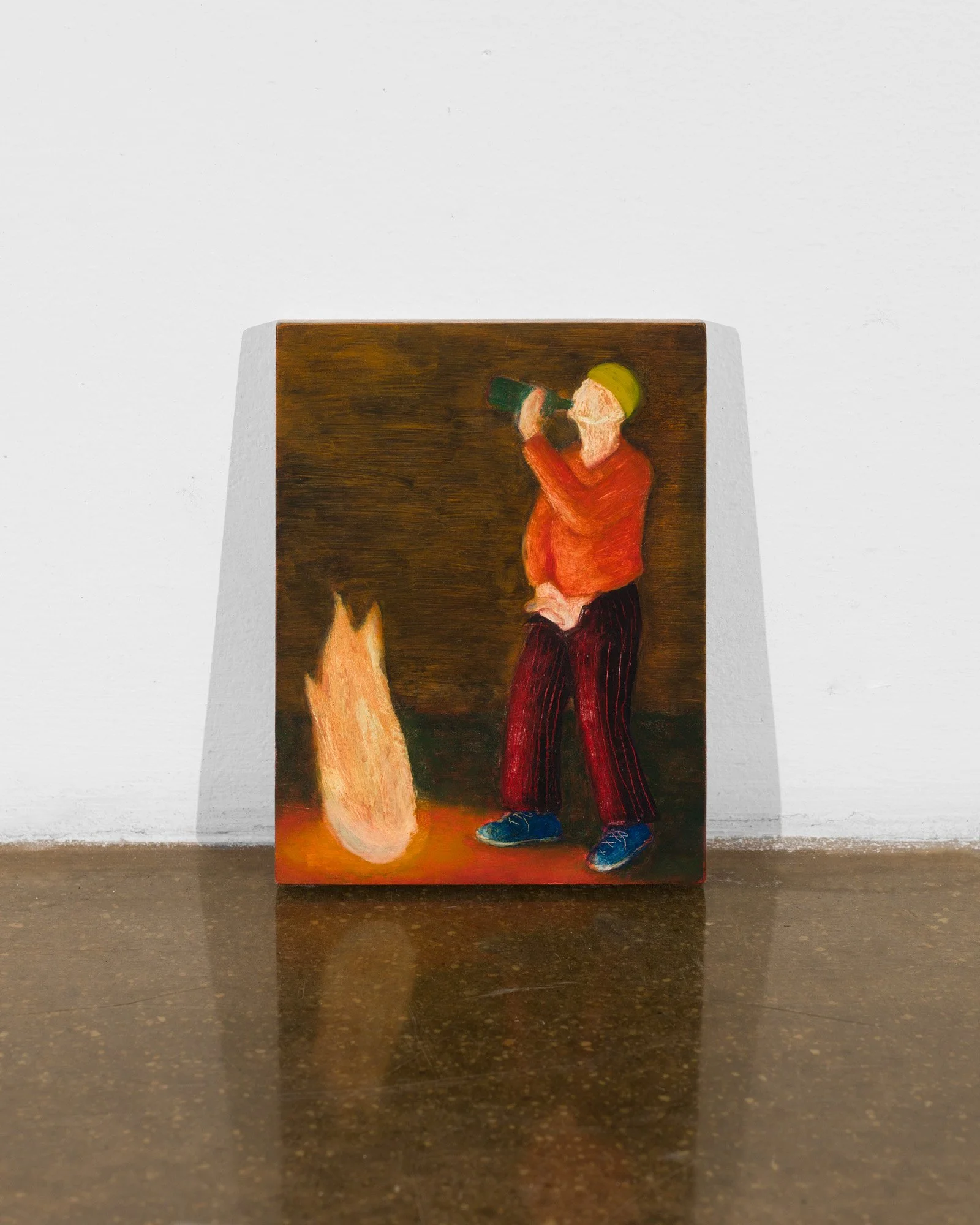
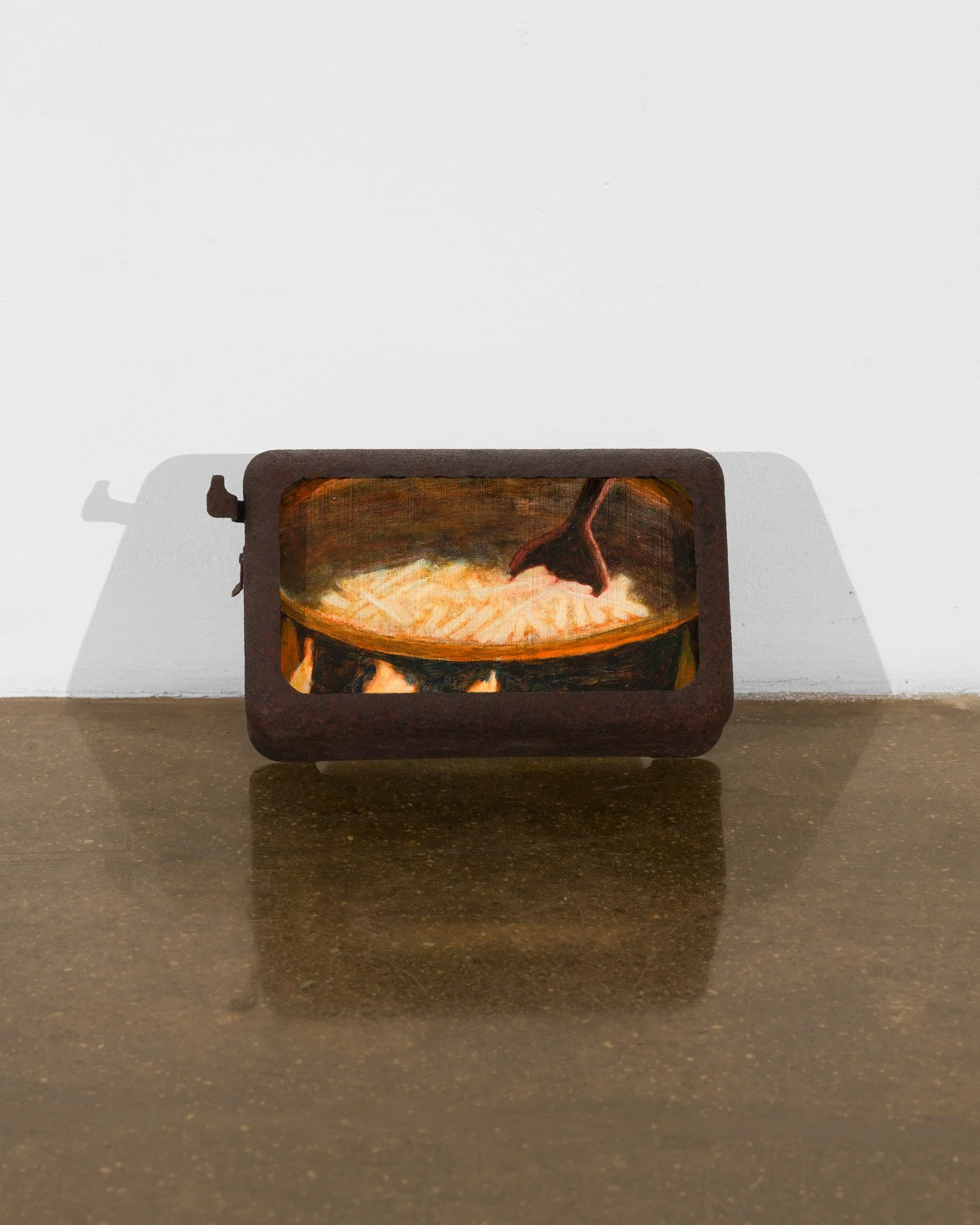
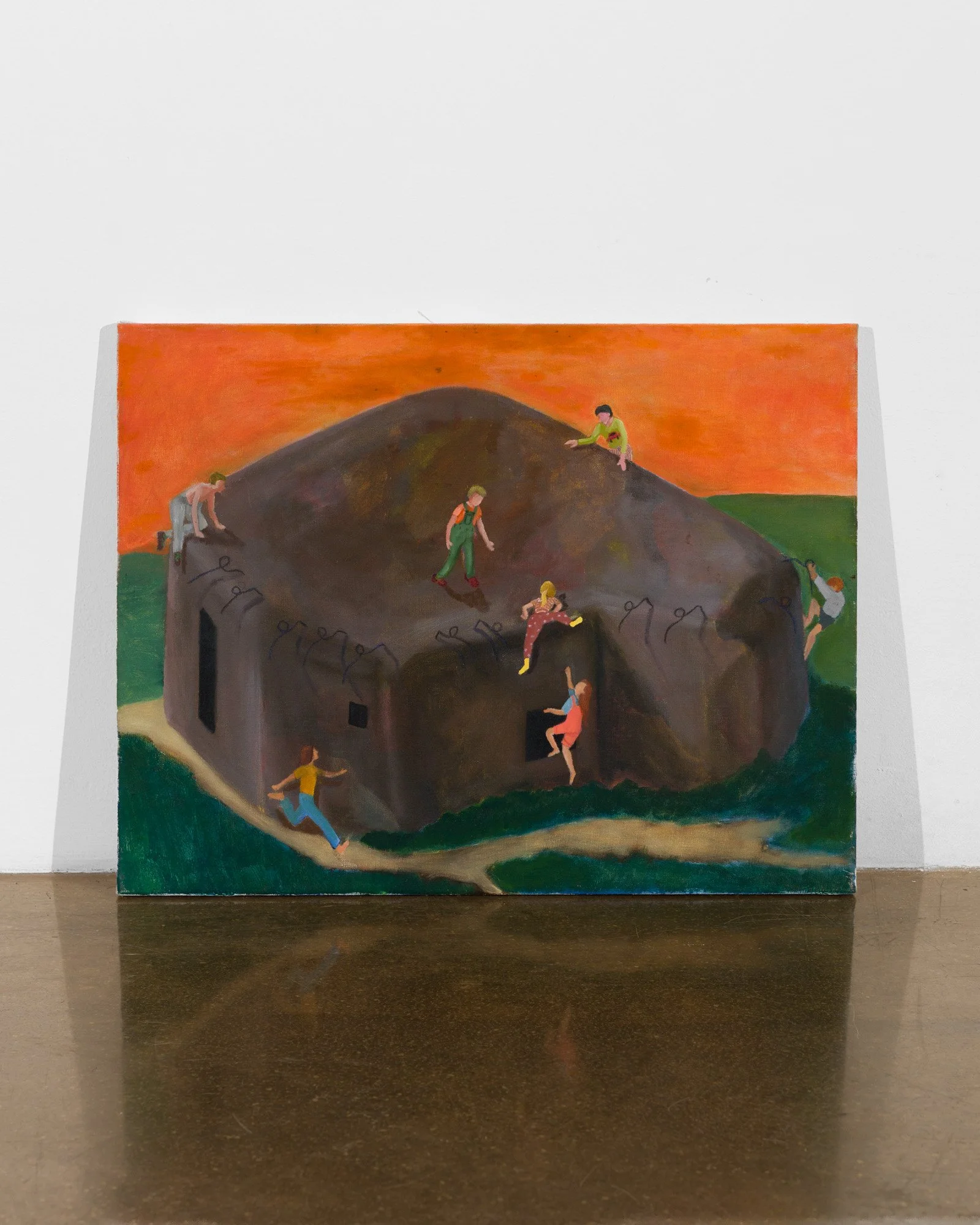


Dimensions: 39 × 31 cm
Medium: Tempera and oil on plywood
Year: 2026