PŘÍLIV
HIDDEN Bořivojova
Bořivojova 106, Prague 3
10. 3. 2026 / 2. 5. 2026
Guided tour: 2.05.2026 19:00
After nearly six years since her last solo exhibition in Prague, Marcela Putna returns to HIDDEN Bořivojova with a new body of work. The exhibition marks a renewed encounter with an artist whose painting has continued to evolve in both visual complexity and thematic depth.
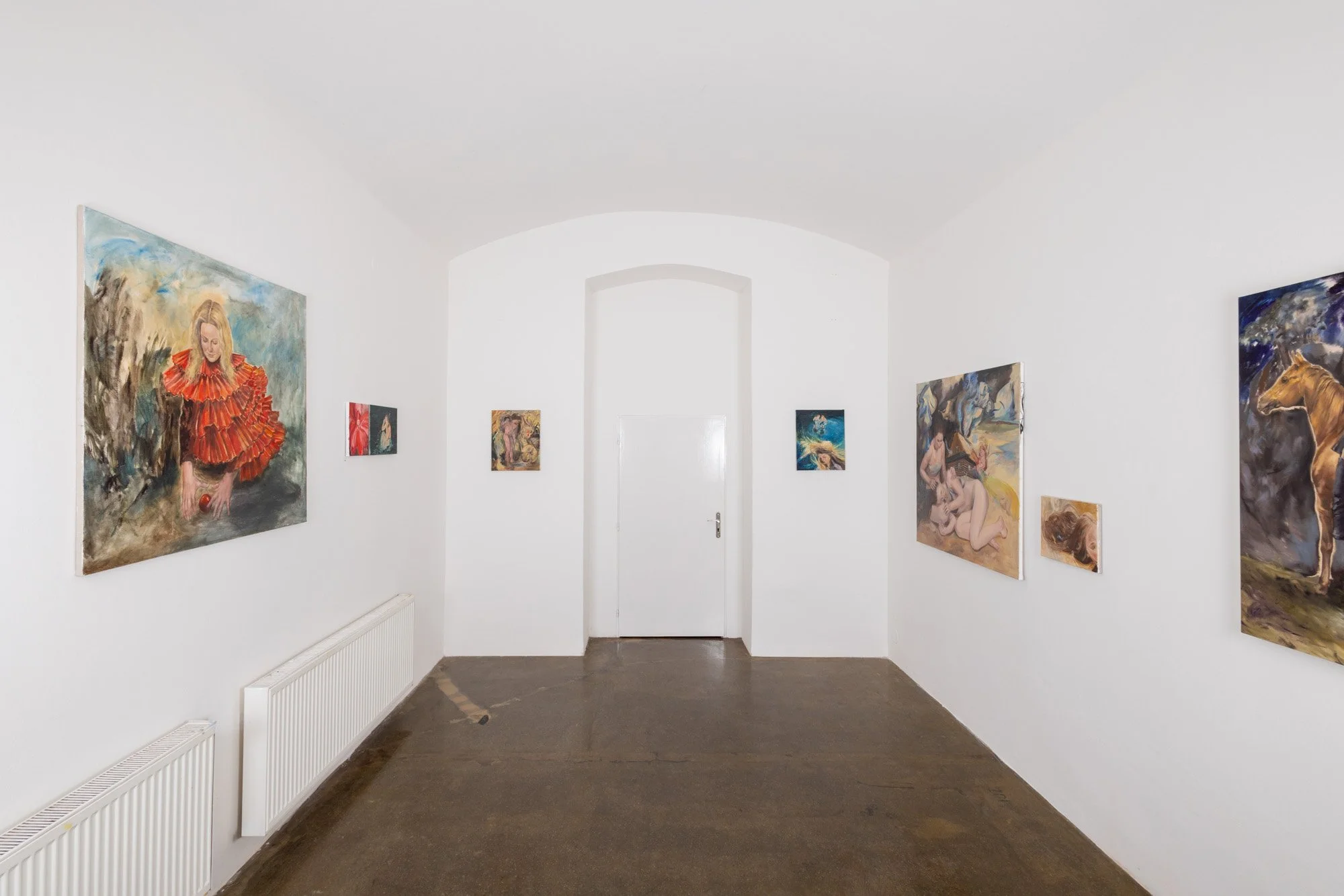
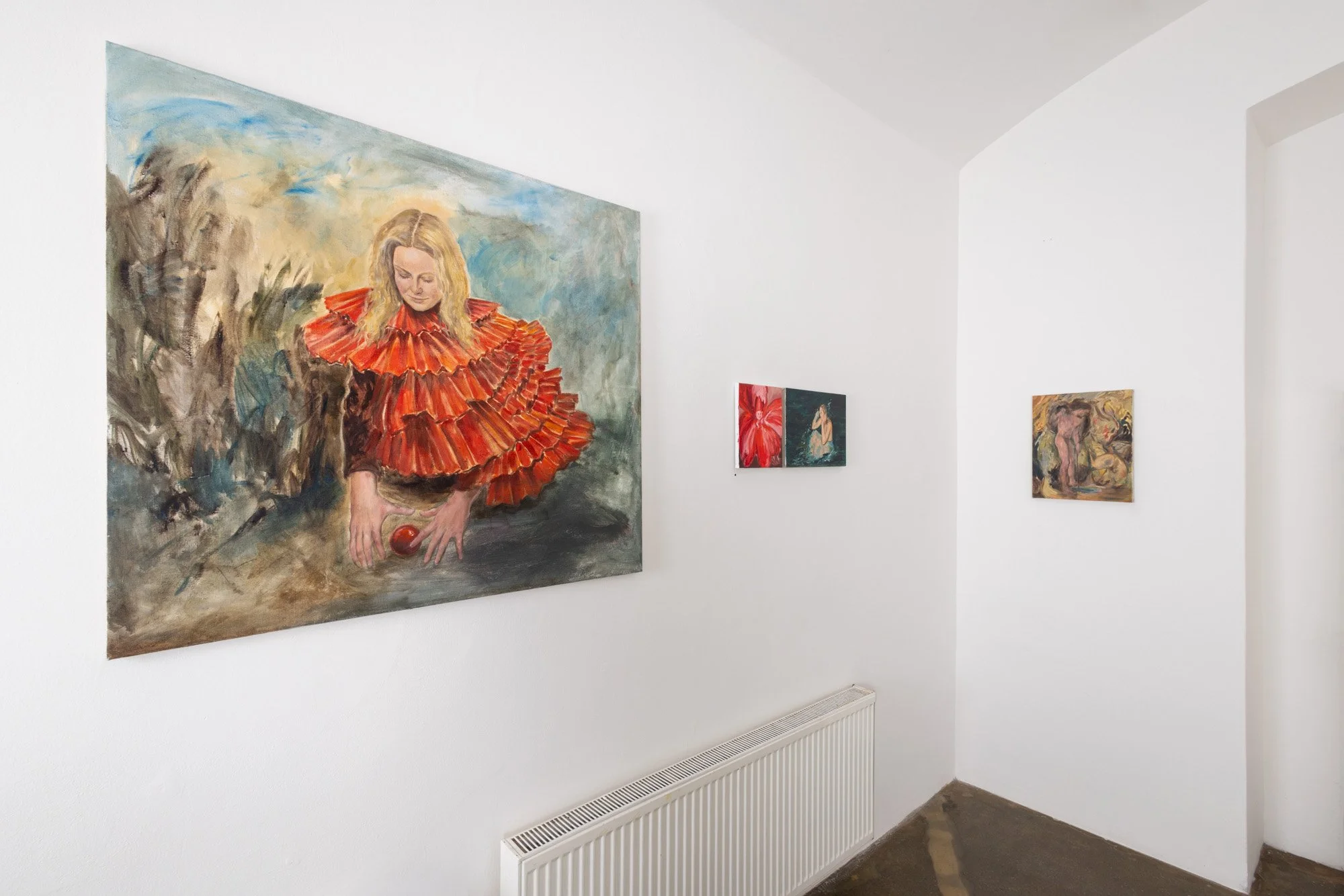
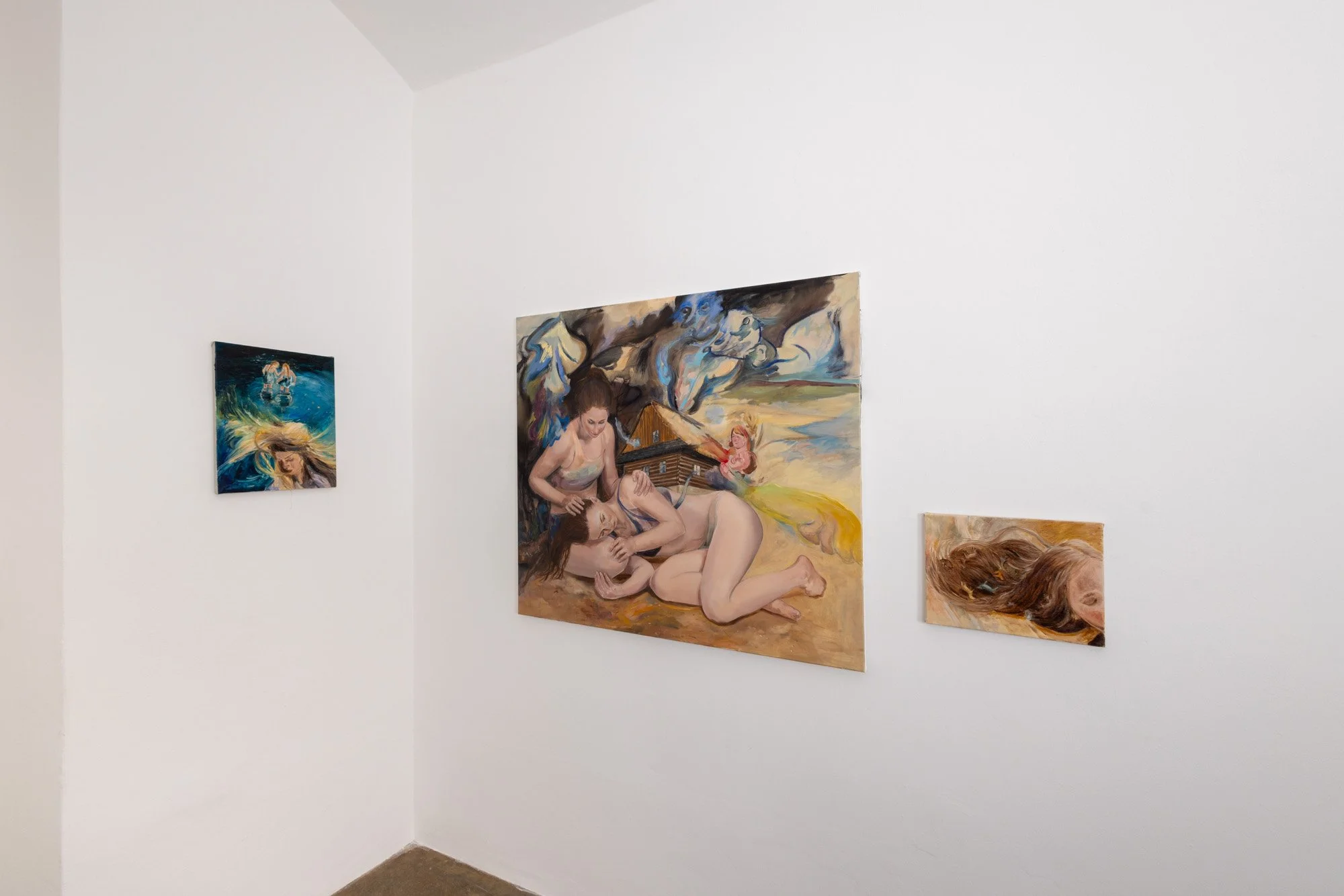
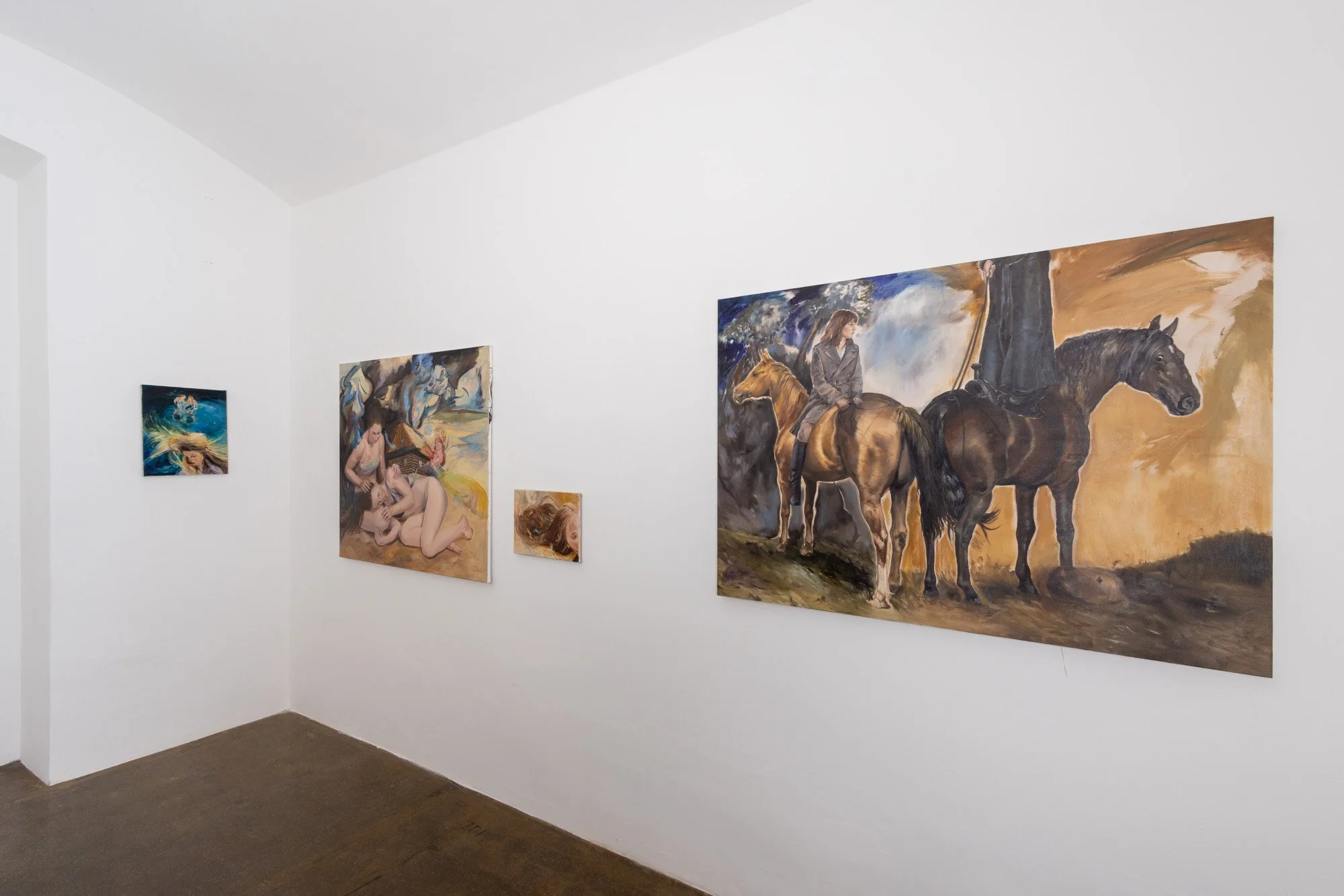
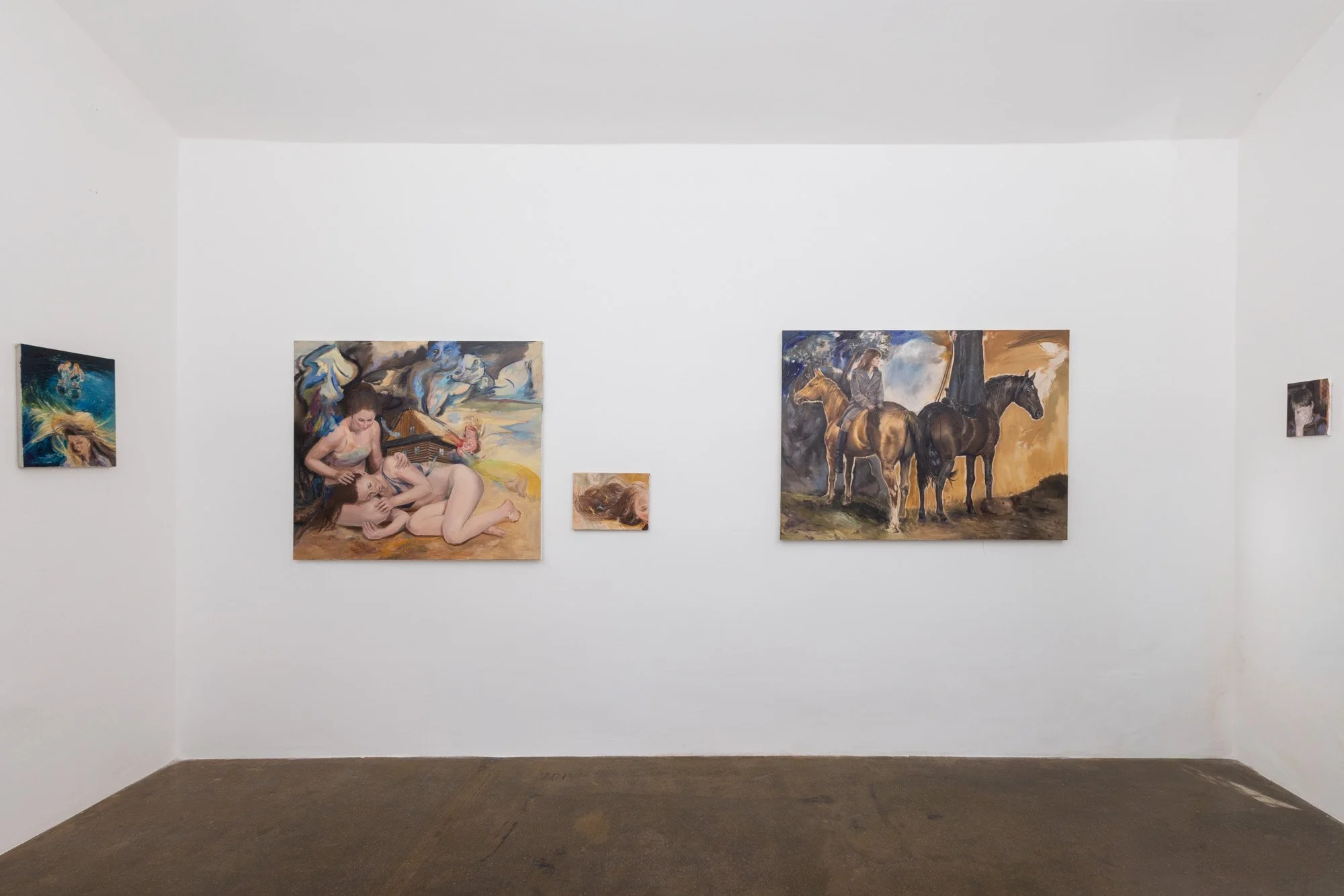
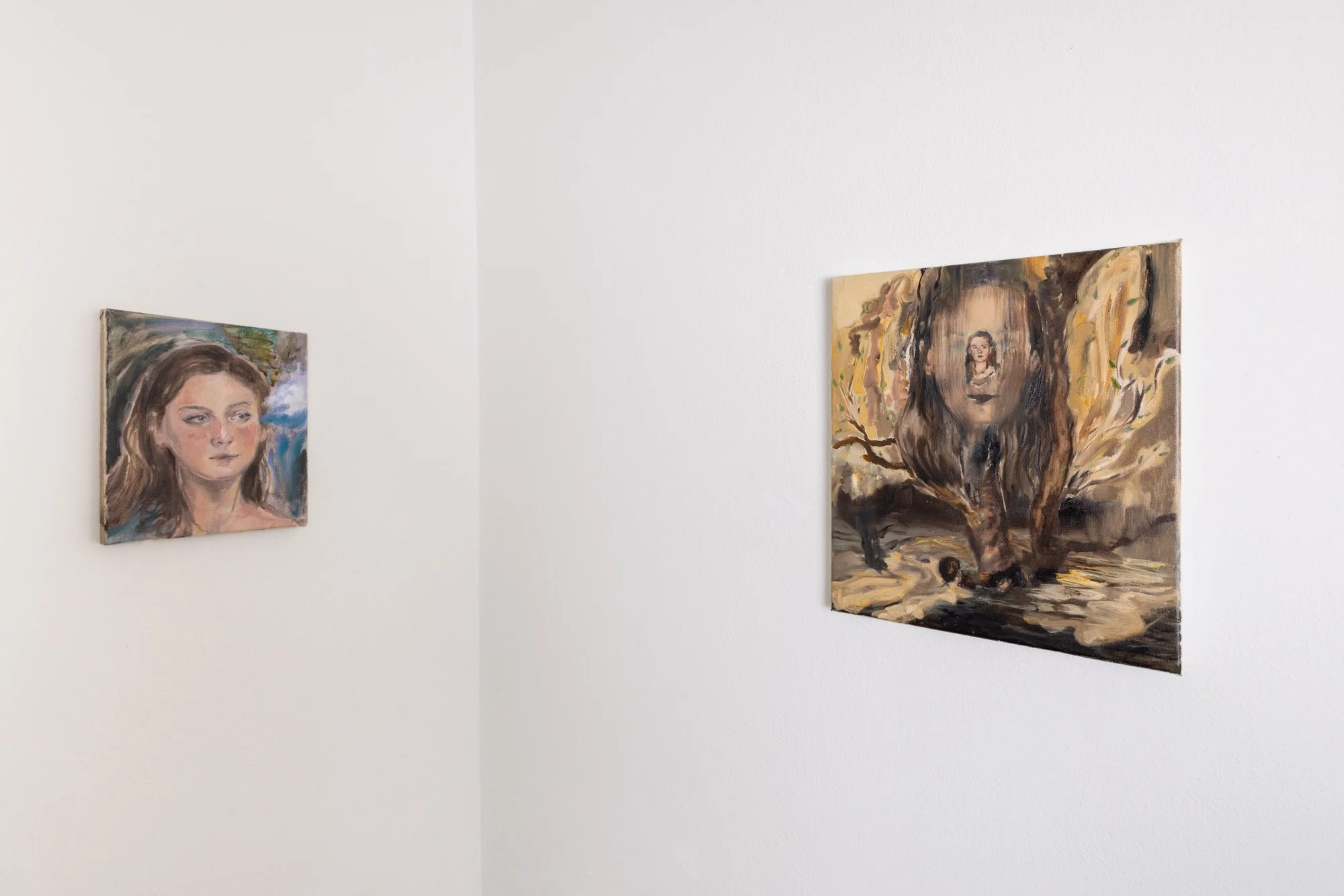
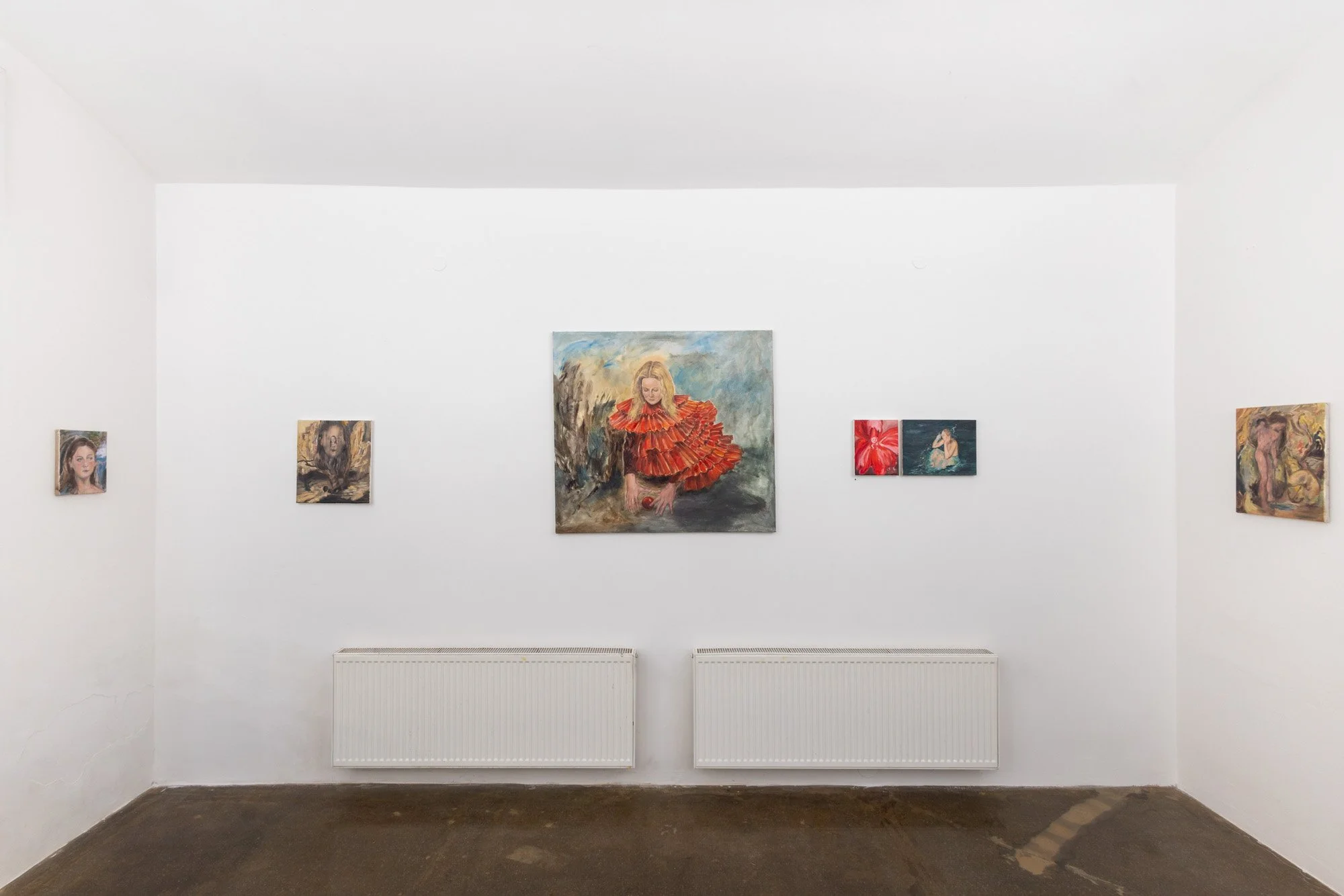
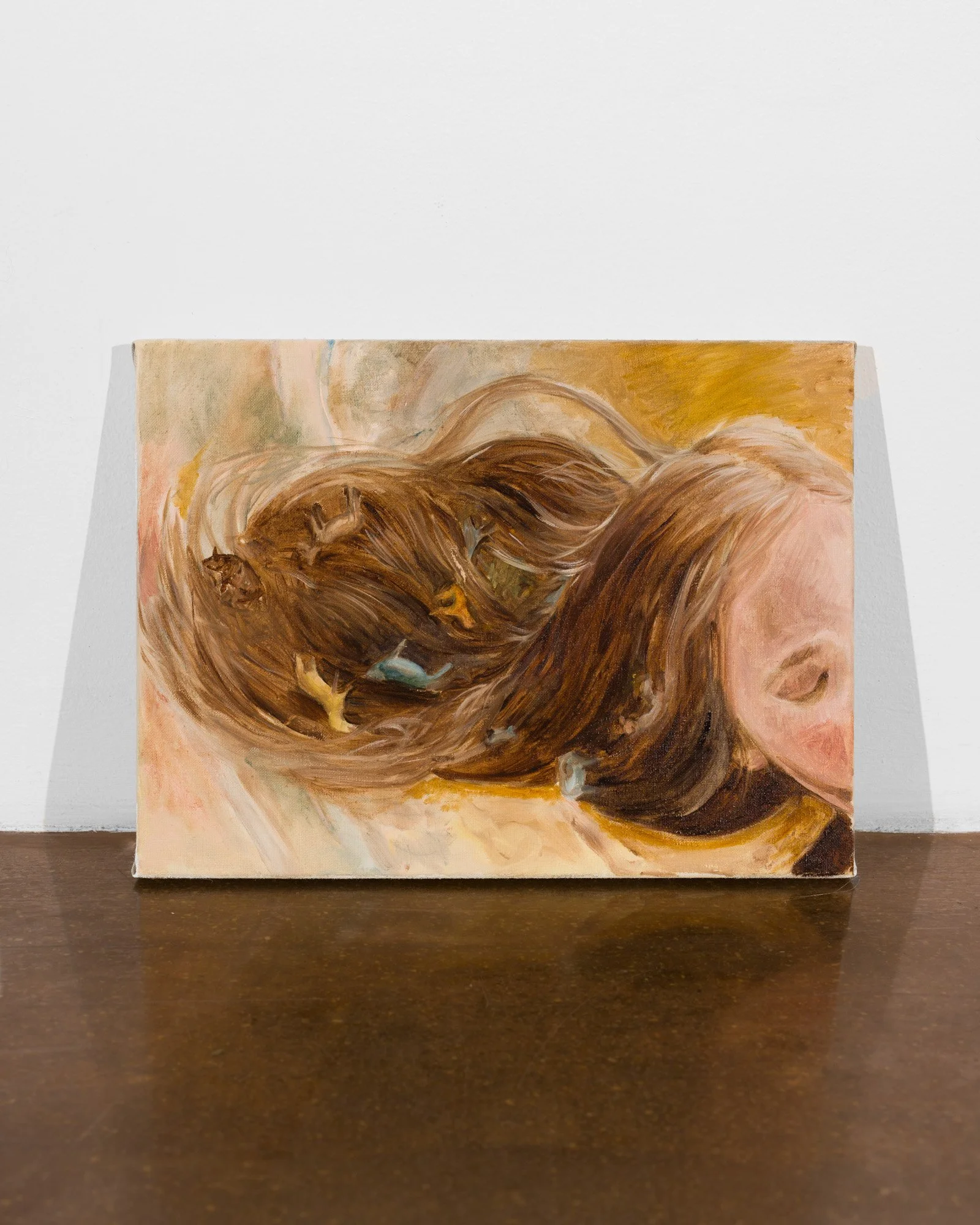
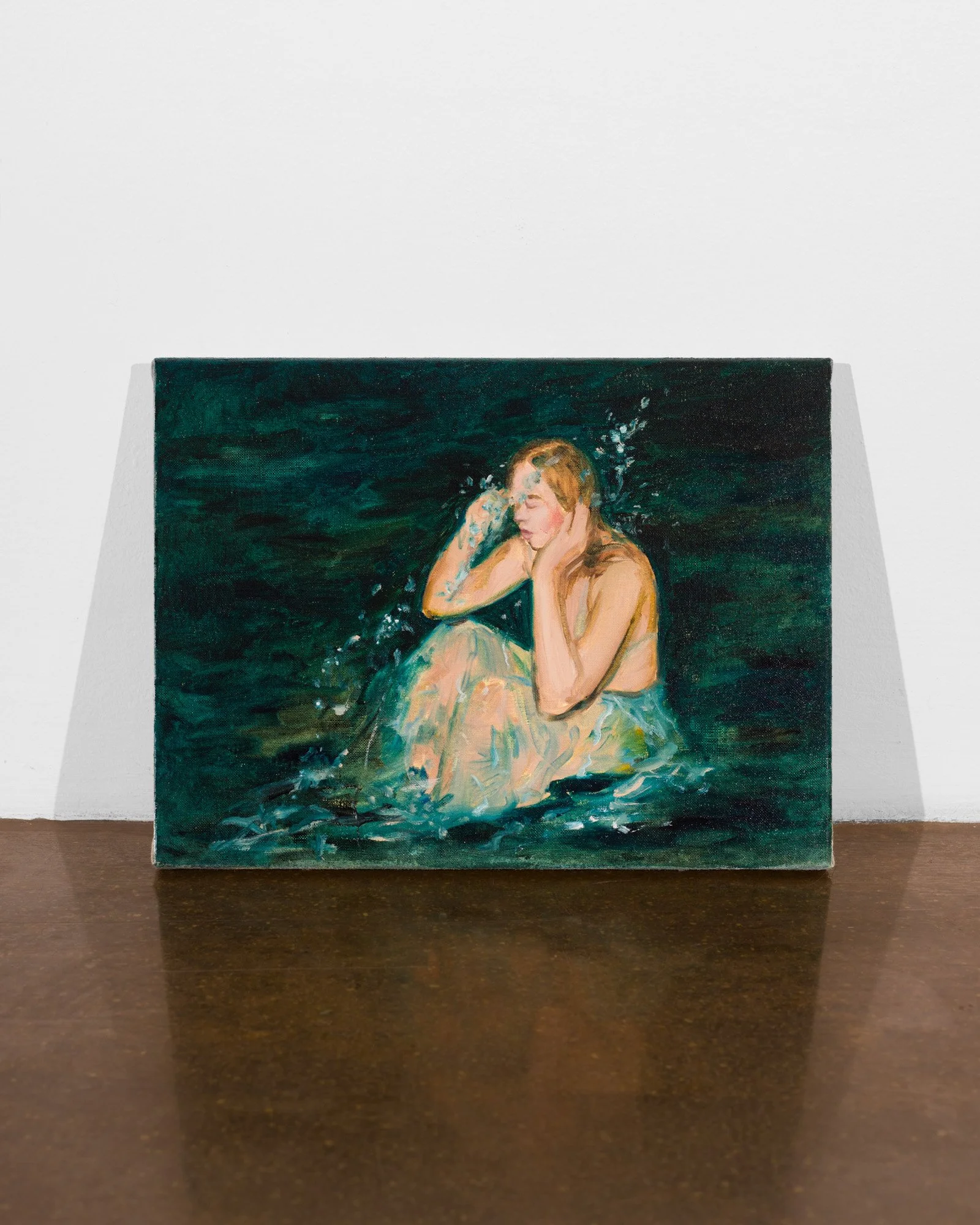
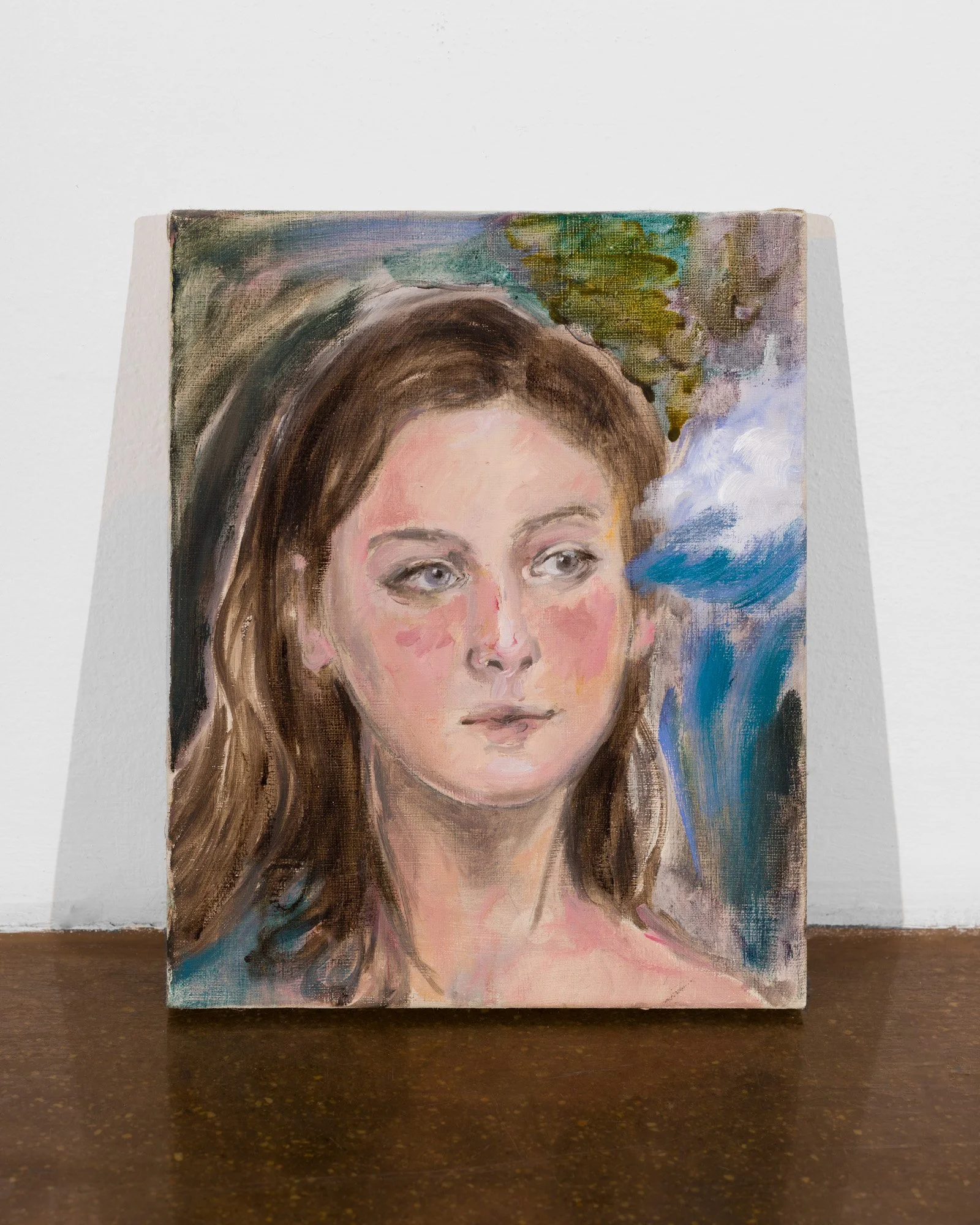
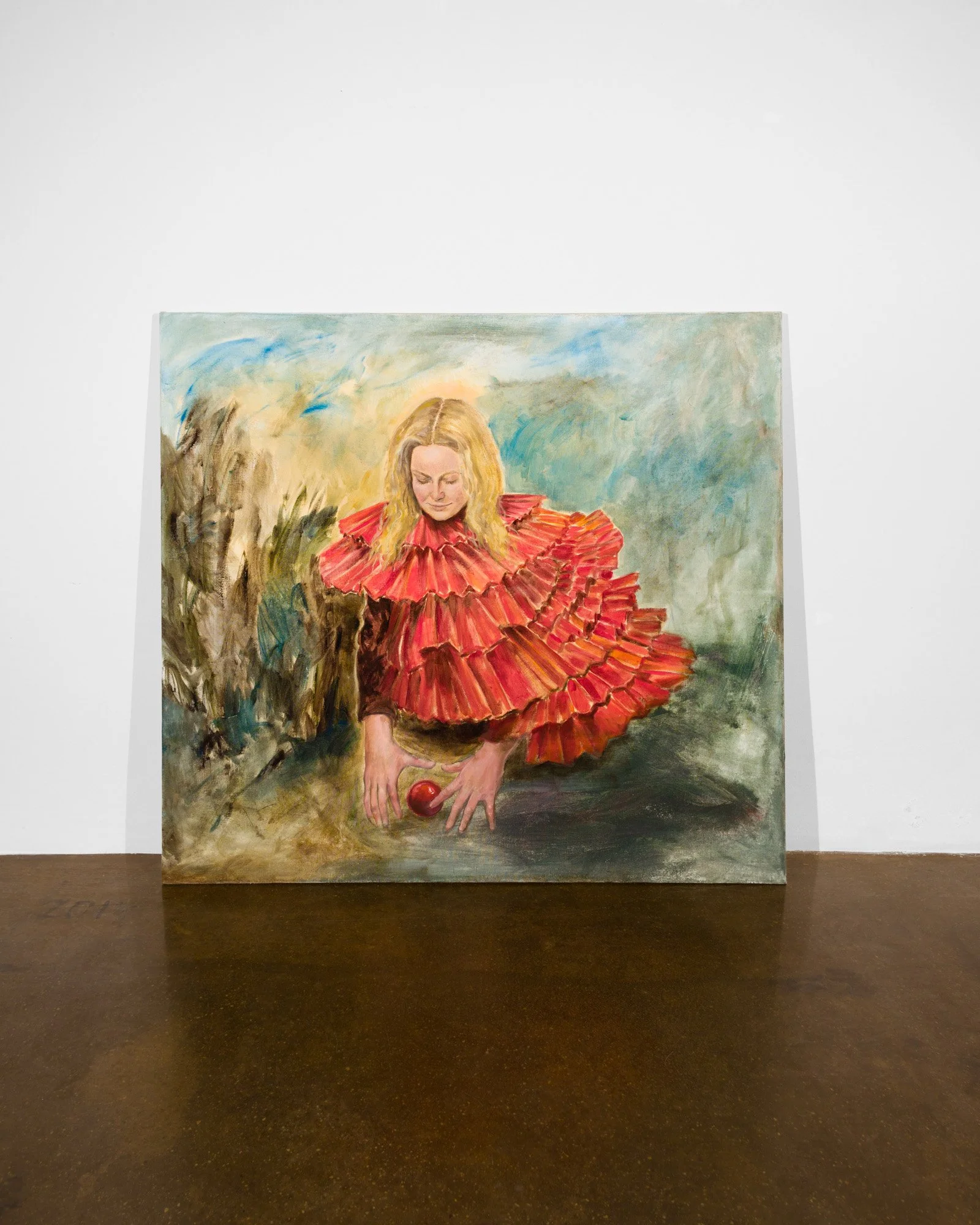
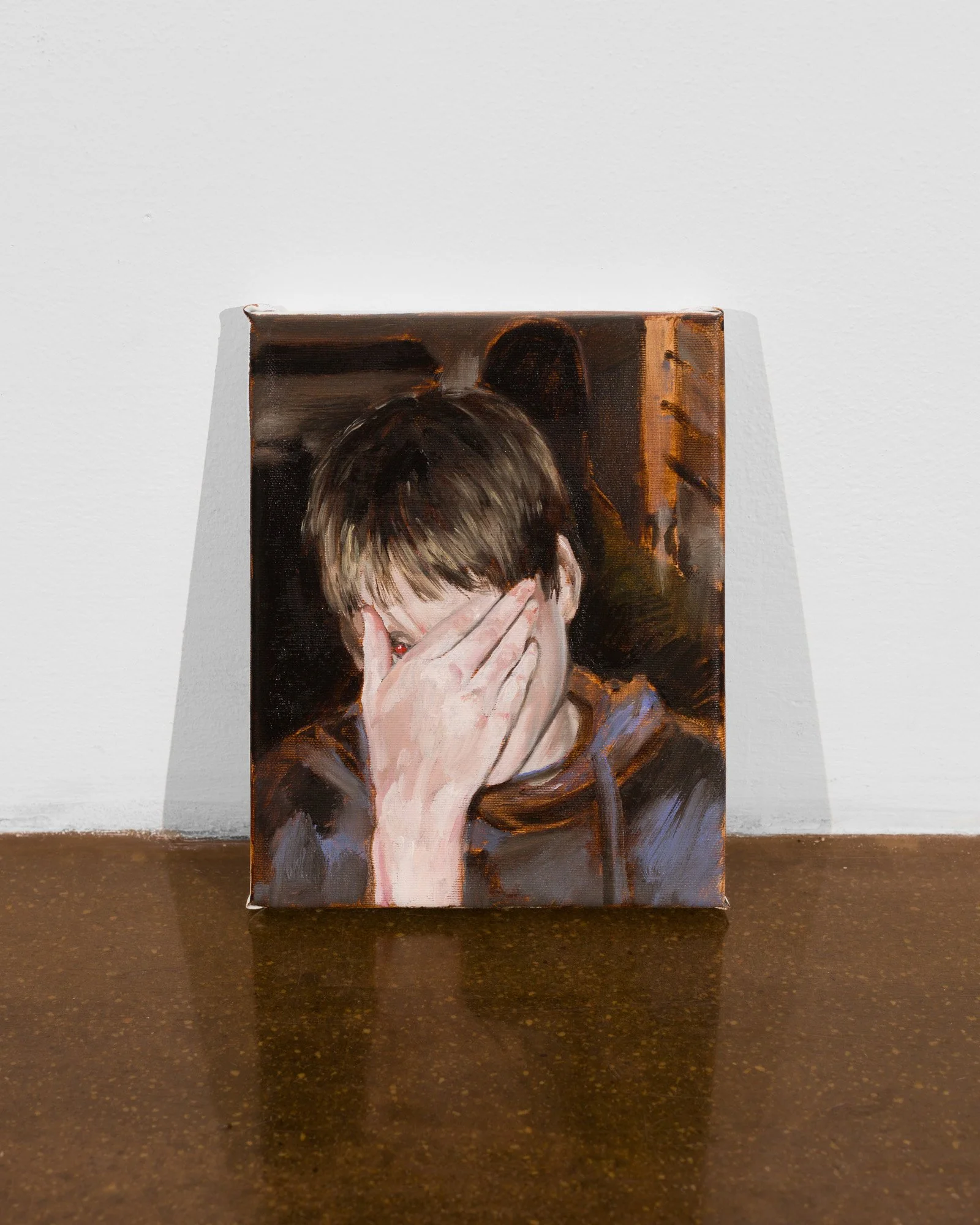
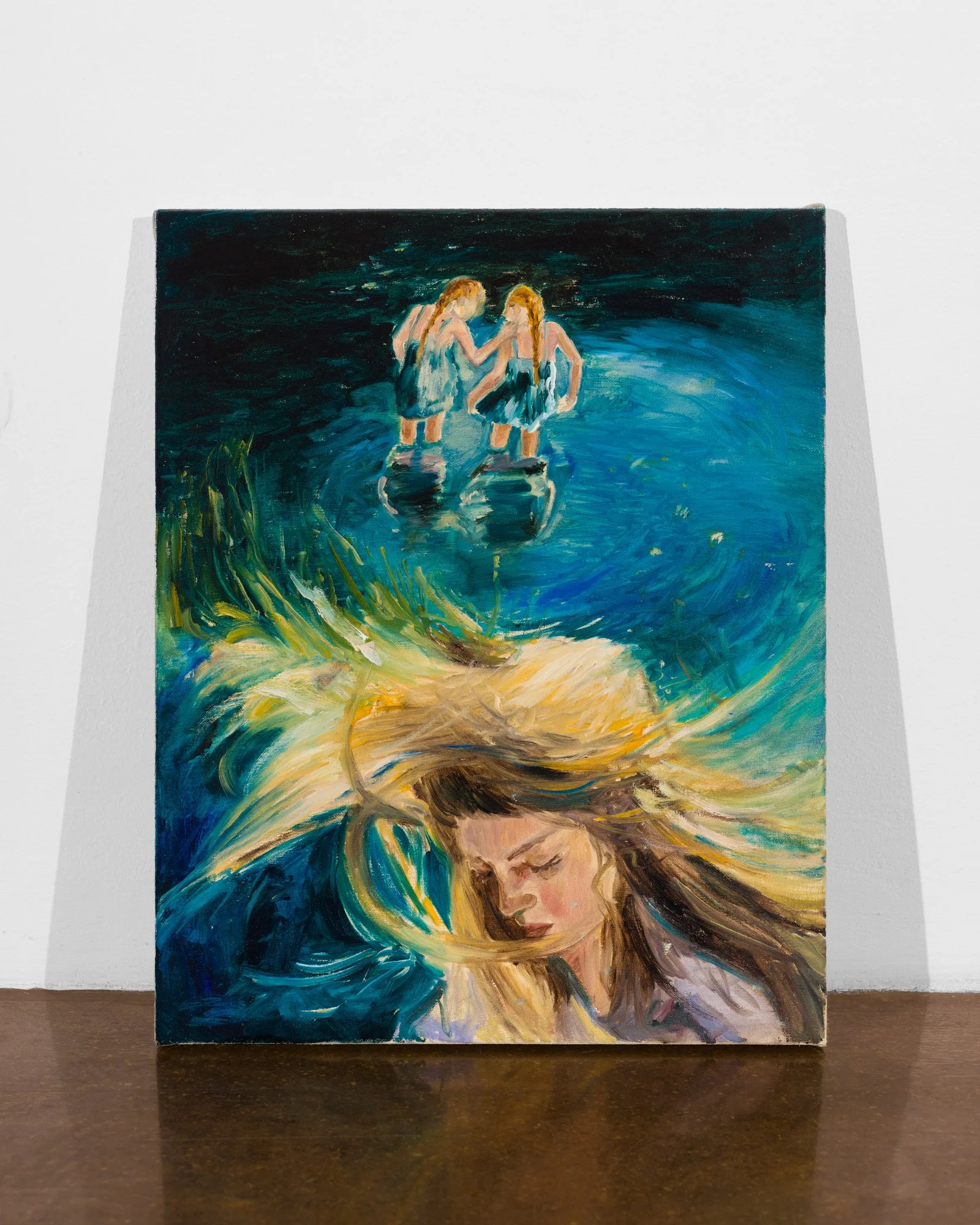
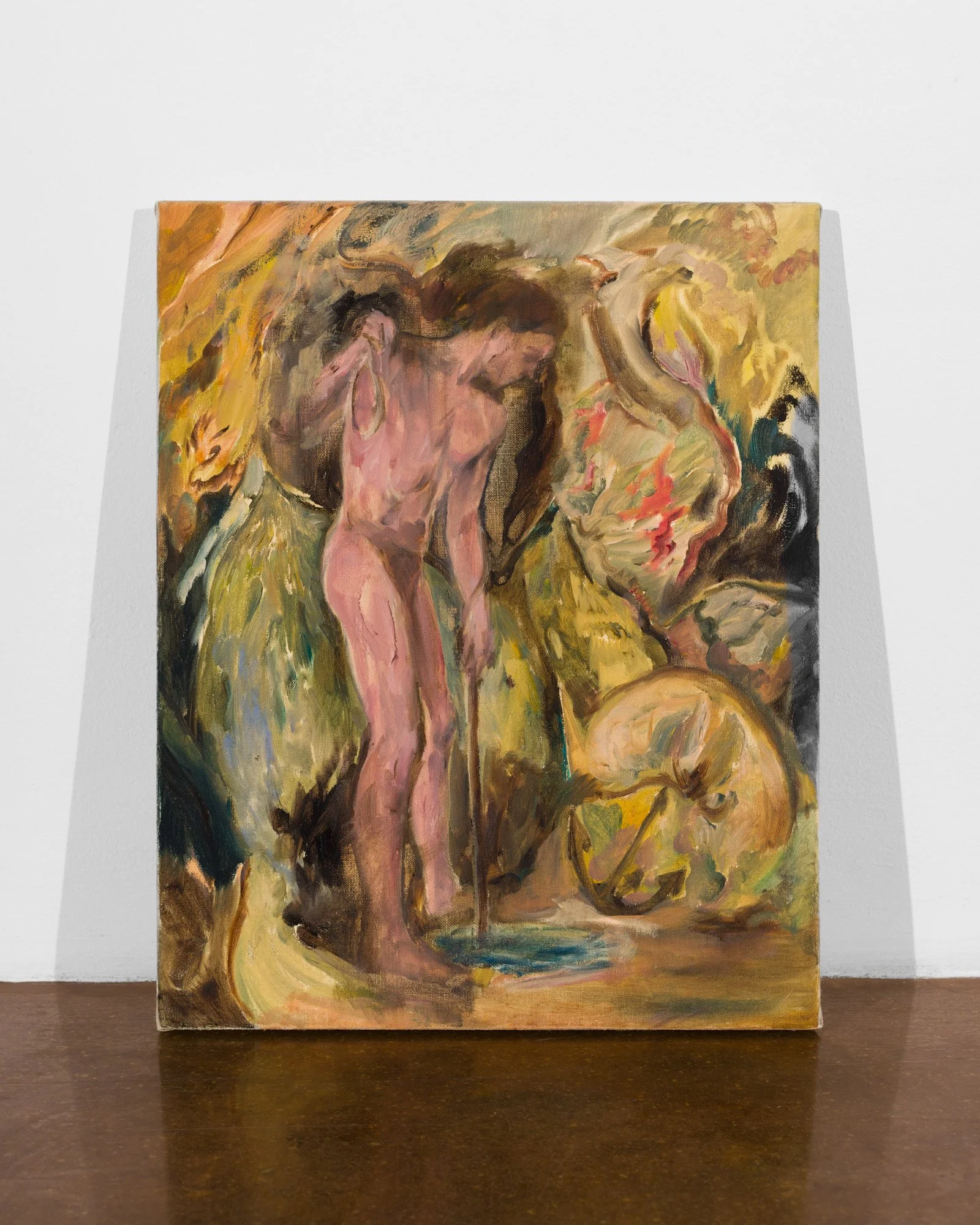
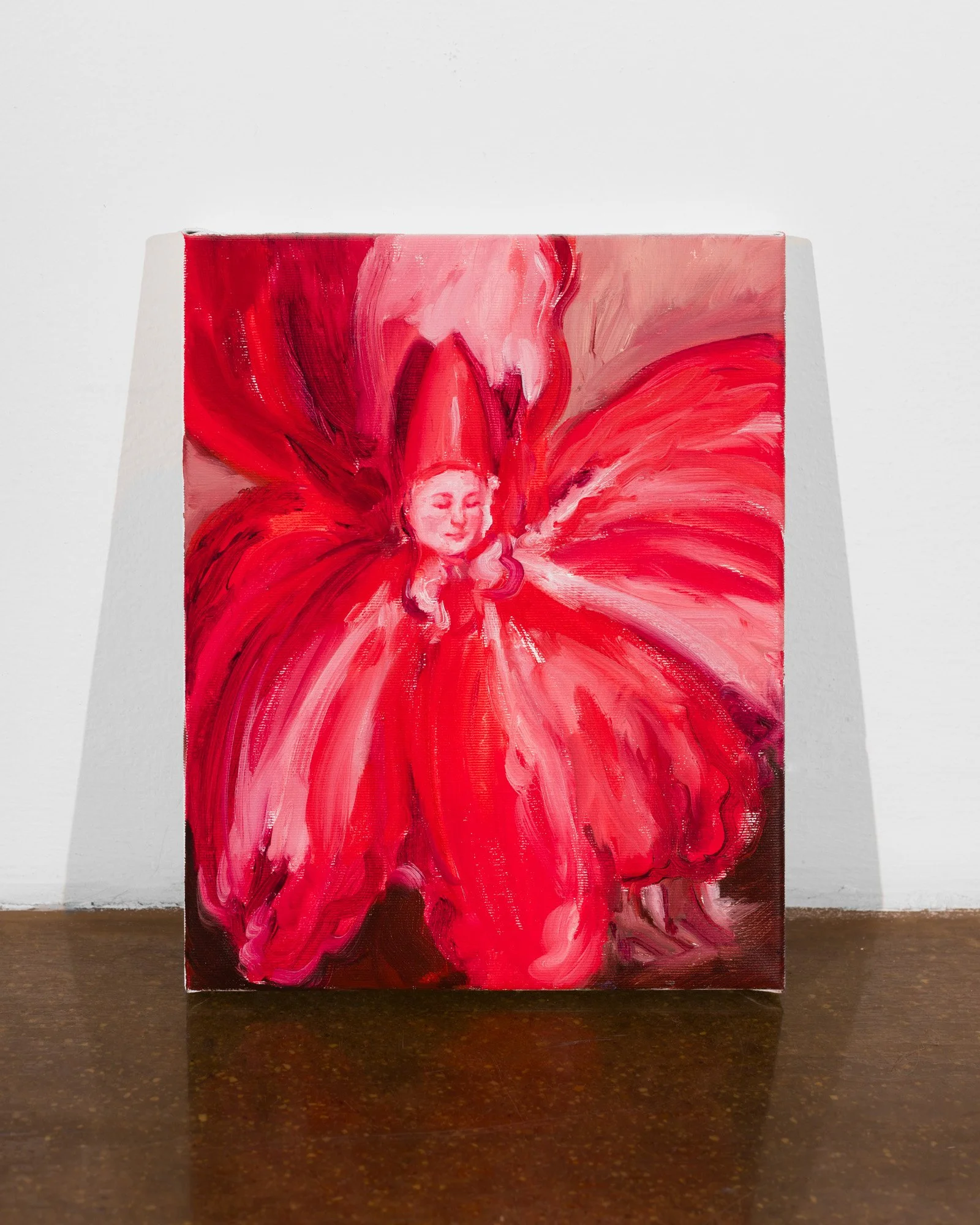
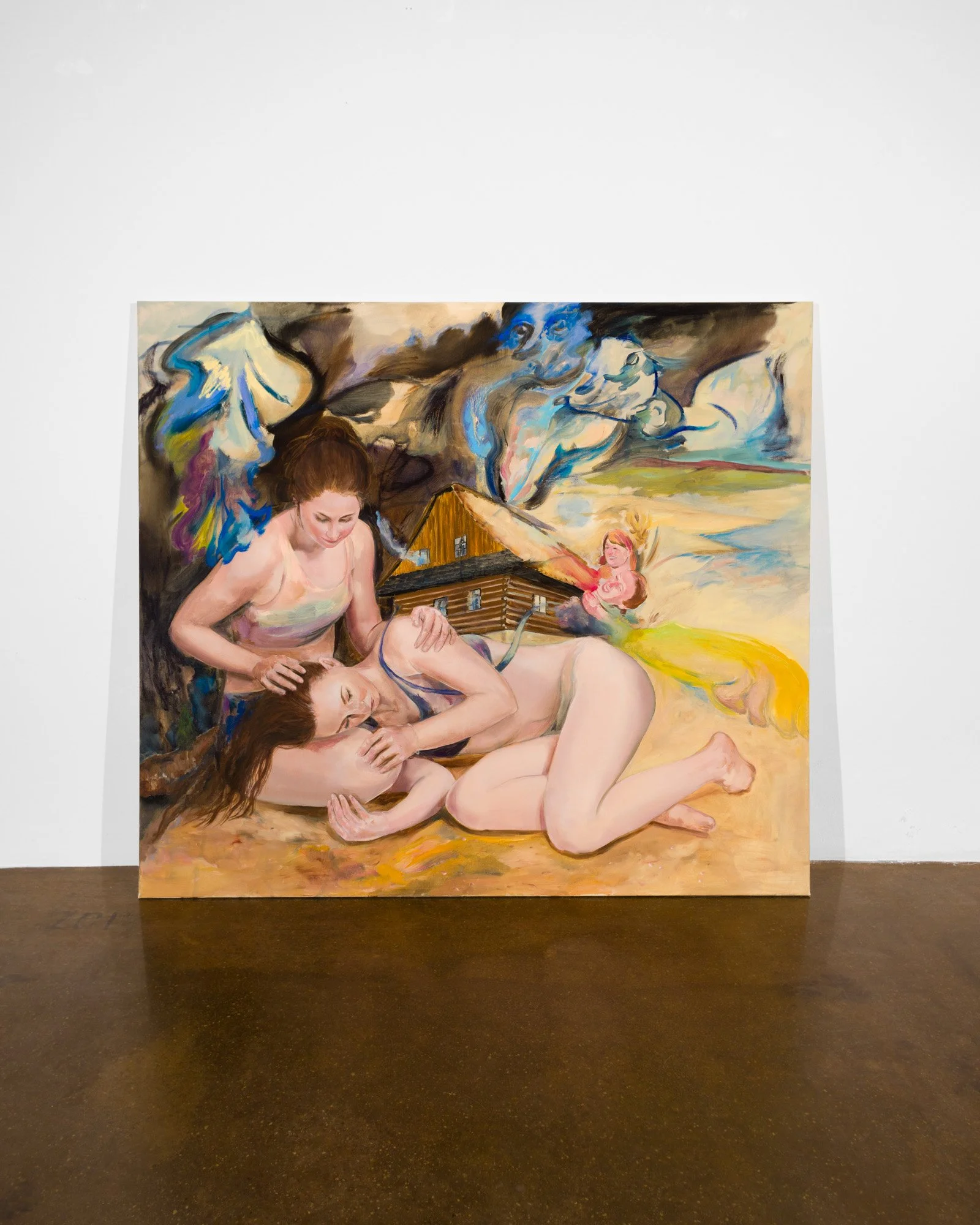
The exhibition title Tide refers to a movement that is constant, sometimes subtle, at other times powerful and uncontrollable. Just as the tide shapes the coastline, our experiences, memories, and relationships shape our identity and our perception of the world. In my work, I explore how human intervention transforms both environments and interpersonal relationships, and how these traces influence our self-images – sometimes quietly, sometimes dramatically. The series of paintings captures currents of emotions, memories, and intuition that merge into multilayered scenes.
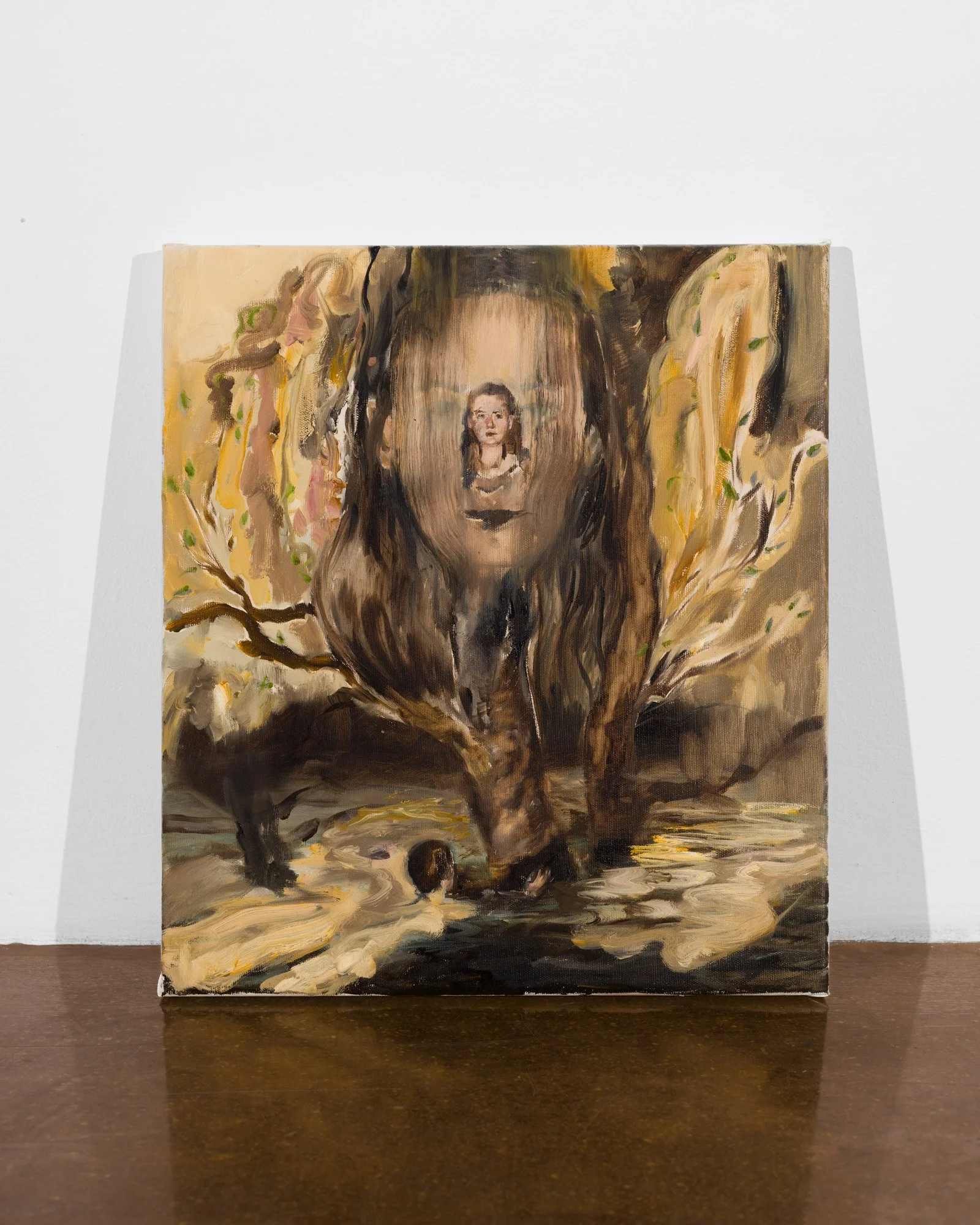
Surreal and realistic motifs, figures and abstract objects, the human body and animals, fragments of everyday life, historical and technological references all come together to create an image of a world in motion, like a constantly shifting tide. The exhibition invites the viewer to pause within the flow of time, to observe the complexity of the world and their own place within it. Like the tide that endlessly arrives and recedes, our experiences and memories shape new orders, new possibilities, and new ways of seeing. Tide thus becomes an invitation to encounter what is fragile and strong, familiar and unknown, personal and collective.
Beneath the Surface
This section explores the hidden layers of reality. It moves through the space between the visible and the invisible, between presence and memory. The well, depth and shadow become symbols of an inner landscape into which one descends in order to understand oneself. The works suggest that what is most essential often remains outside immediate sight.
Directions
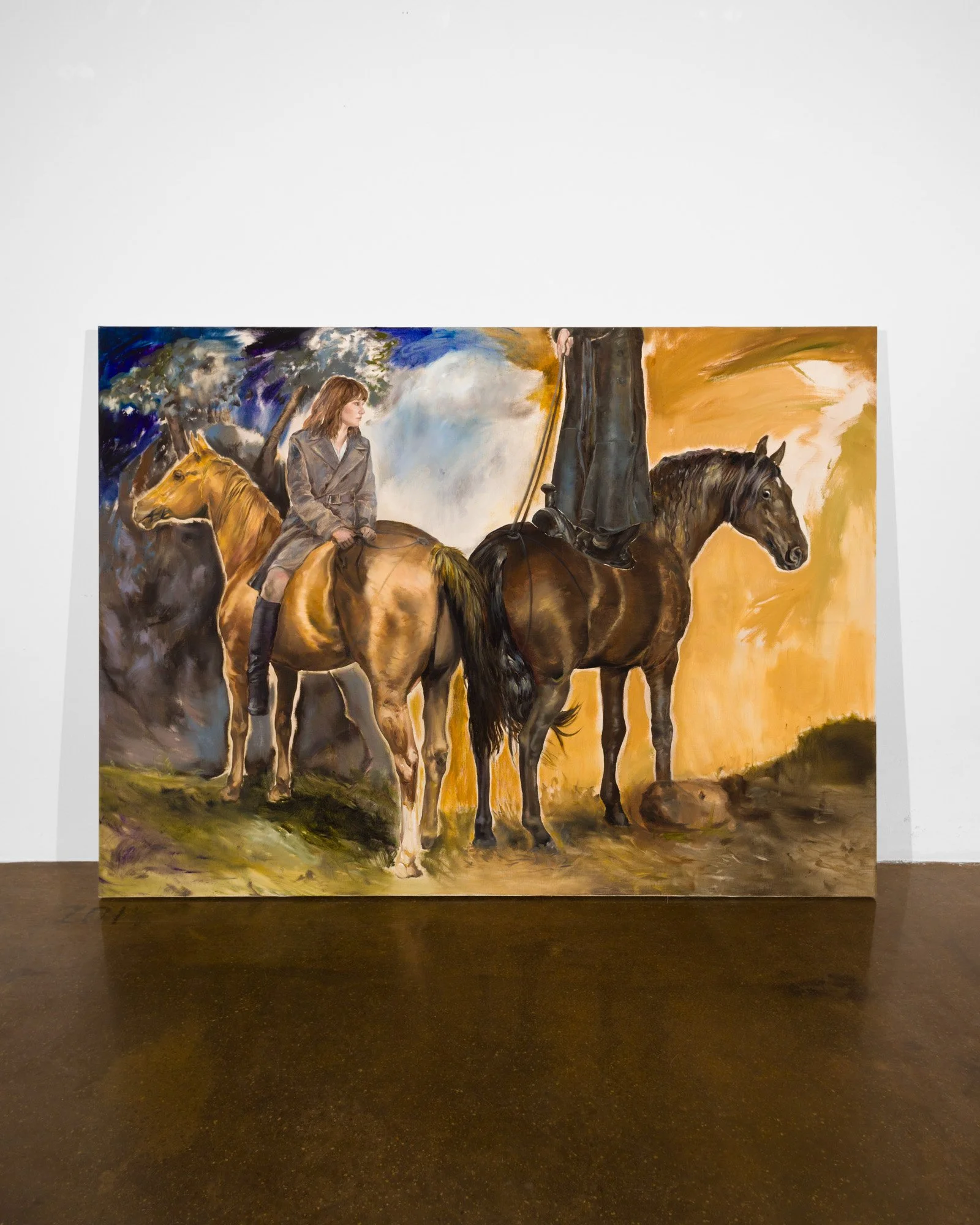
The second chapter focuses on the relationship between human decisions and the natural order of the world. Horses as symbols of instinct, roots as symbols of origin, and nature as an autonomous force form a reflection on direction and responsibility. It suggests that while a path can be changed, the fundamental forces shaping life cannot be escaped.
Flow
The final section introduces movement and transformation. Water, clouds and tides become metaphors for emotion, time and collective processes. Nothing remains fixed. Everything moves, transforms and returns in new forms. Even in moments of uncertainty, the works point toward the possibility of renewal.