
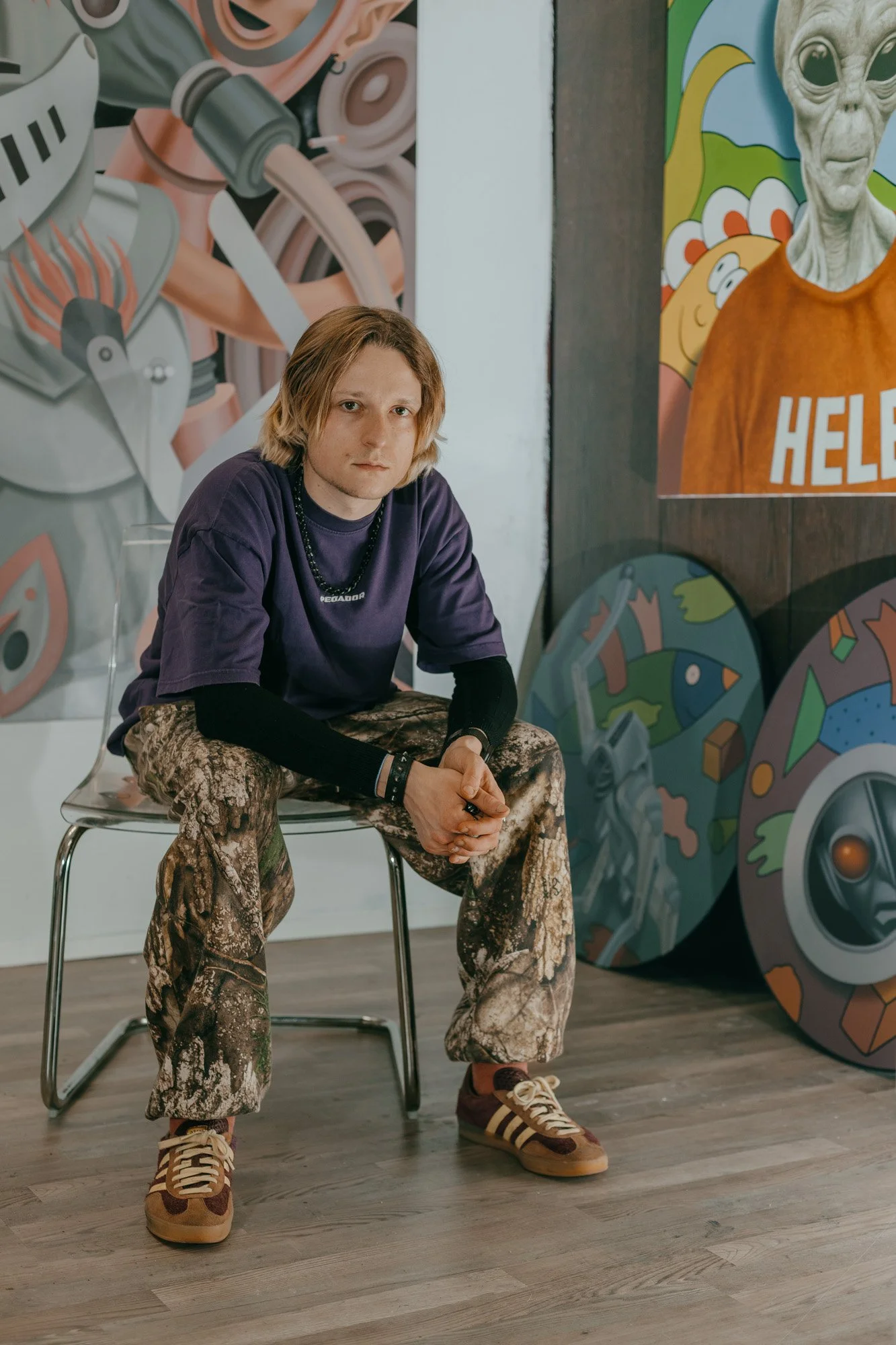
About
Martin Kolář is one of the most talented current students of AVU. From his very first year, he attracted attention with his highly precise painting technique, combined with an original style that synthesizes the thesis of children amidst mainstream entertainment with the antithesis of social pathology and the cult of institutionalized violence. The juxtaposition of childlike aggression with references to medieval and modern warfare creates an unexpected thematic counterpoint. Freudian principles of destructive Thanatos and promiscuous Eros, where the atomic bomb doubles as a phallic symbol, oscillate like the wave of alternating electric current.
Kitsch and decadence, vivid colors and pain, ornamentation and symbolism—Kolář, following in the footsteps of Jacques Derrida, deconstructs reality and focuses on death and mourning ("le deuil") with a morose yet profoundly truthful motto: "Death is not outside life, beyond its boundaries, but inscribes itself from within." Despite the infusion of philosophical nihilism, the paintings paradoxically exude a playful and whimsical aura, further elevating their bizarreness.
Currently available

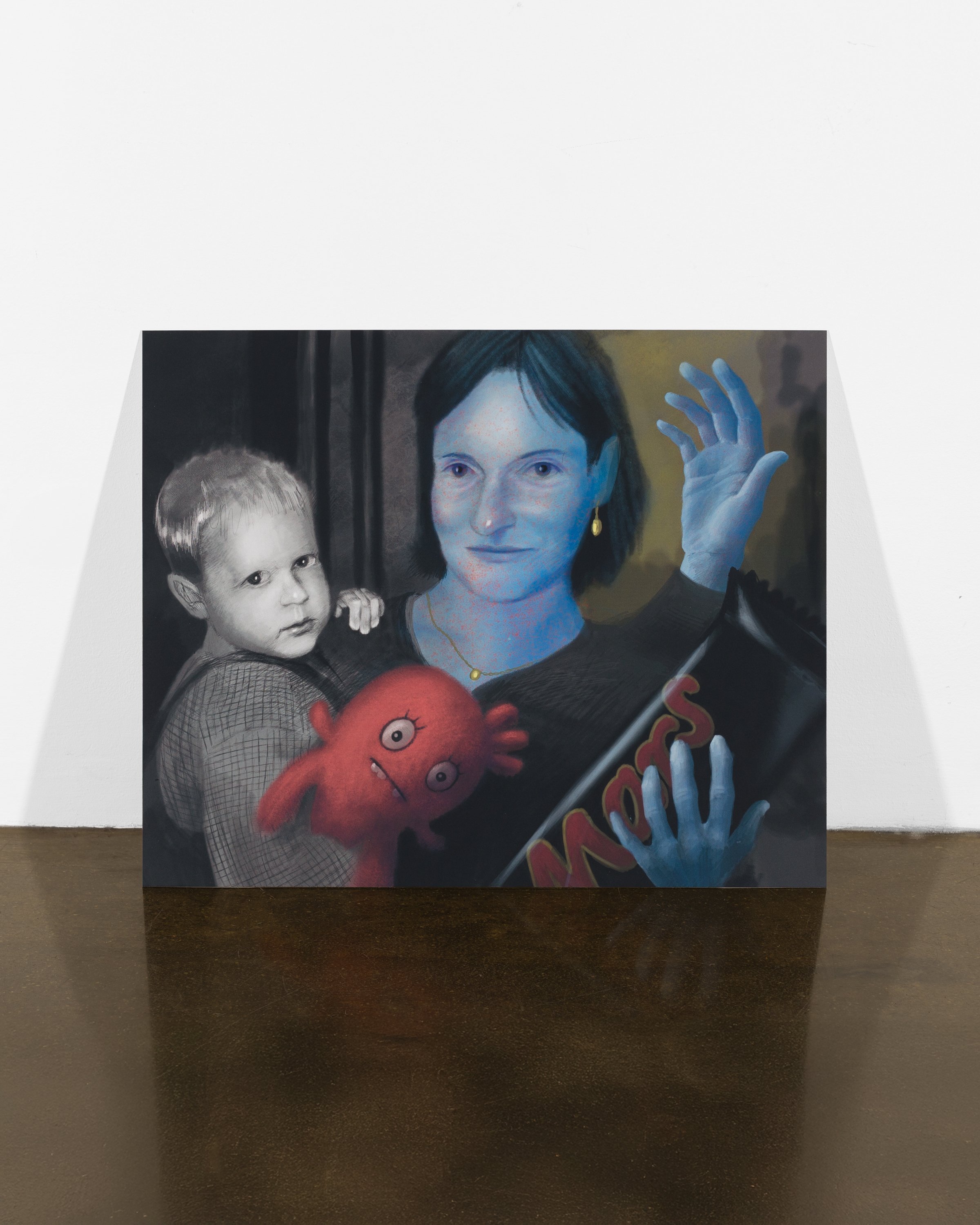
Dimensions: 80 × 65 cm
Medium: Digital print on aluminum composite panel
Year: 2020
Edition: 1/20, first in an edition of 20
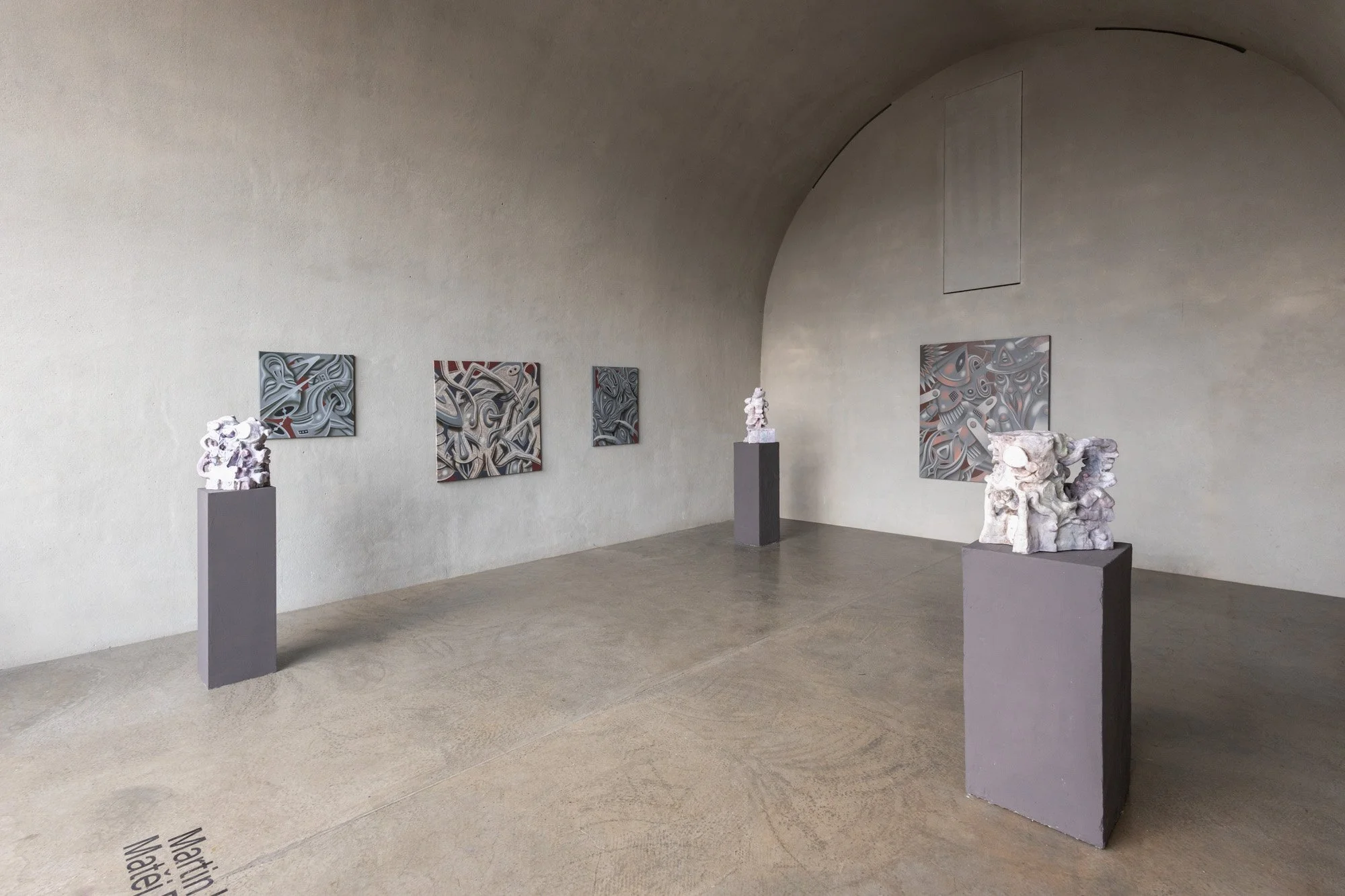
Martin Kolář, Matěj Pokorný
HELL IS OTHER PEOPLE
HIDDEN at (A)Void Gallery
27. 8. / 10. 9. 2026
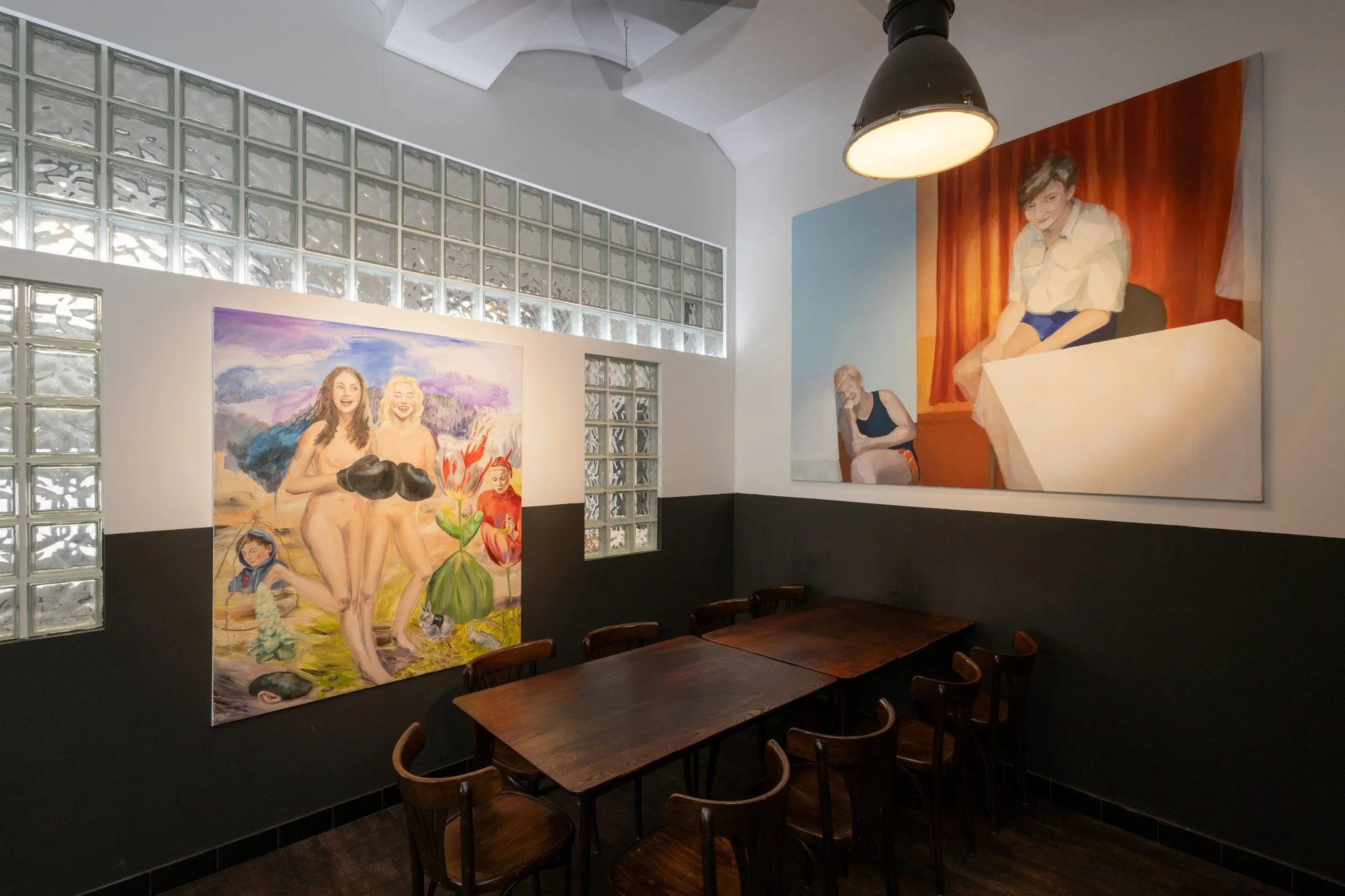


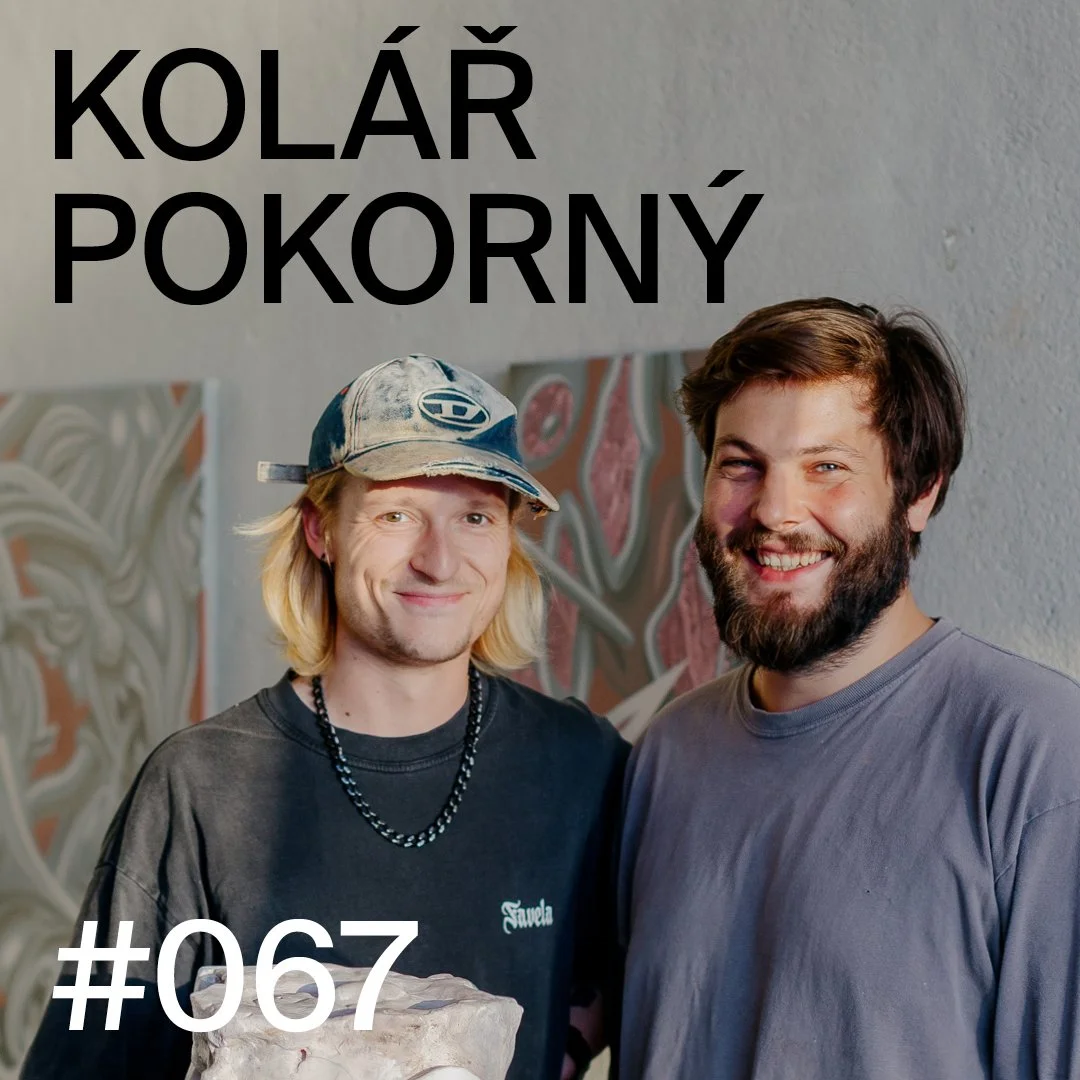
In the new episode of the HIDDEN Podcast, we meet painters and sculptors Martin Kolář and Matěj Pokorný in their joint exhibition HELL IS OTHER PEOPLE at (A)VOID Gallery. Built around Sartre’s famous proposition that hell is other people, the exhibition explores the uneasy relationship between people, the gaze of others, violence, technology and the human body.

Another episode of Hidden podcast with student, painter, singer and digital superstar Martin Kolář about his beginnings at AVU, oscillations between digital and classical in drawing and music, NFTs, old masters, Kurt Cobain and Jiří Korn.
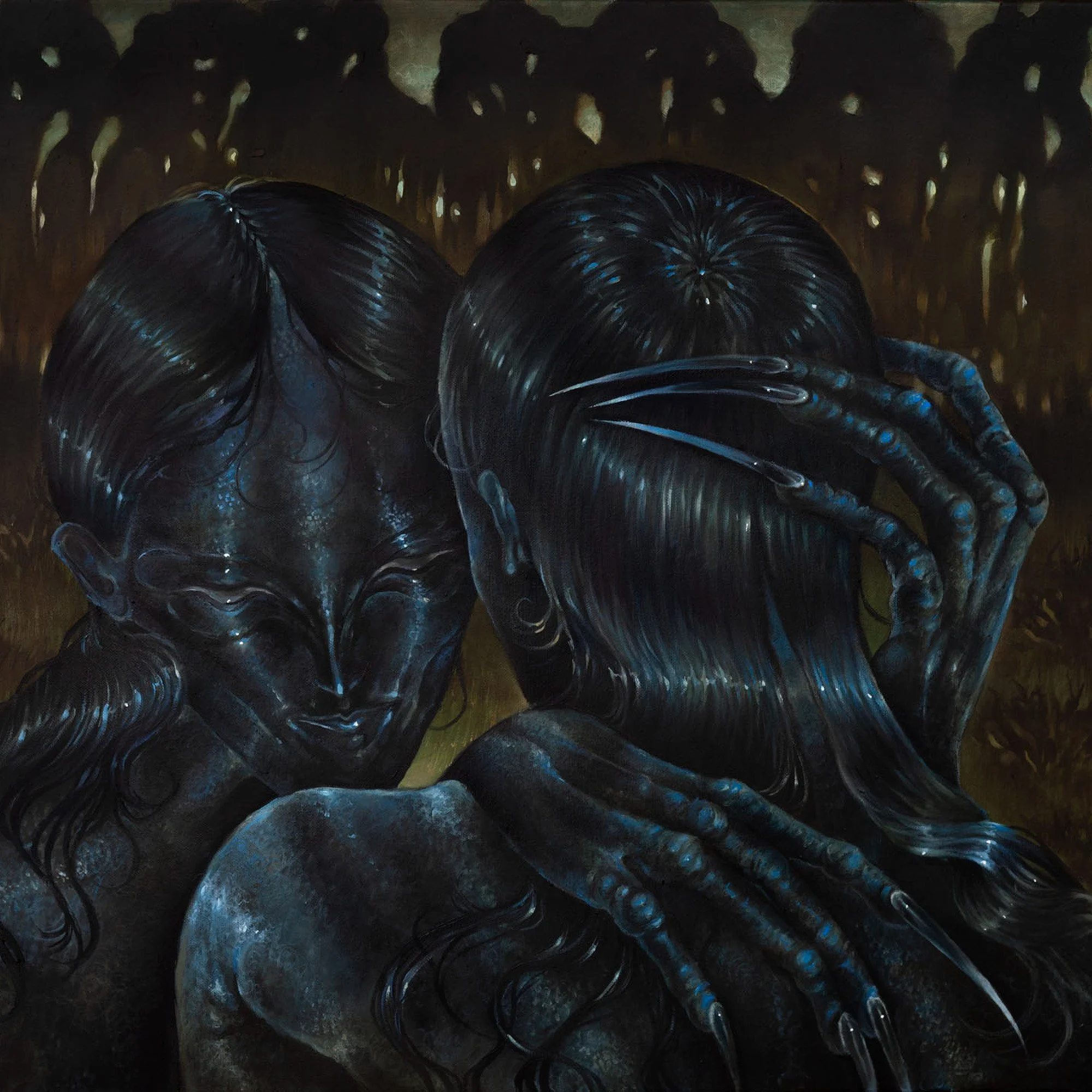
Natalia Kleszczewska (b. 1999) is a Polish painter of glossy figures between human, animal and alien. She collaborated with Björk and Natalie Liu on Nerve Bloom.
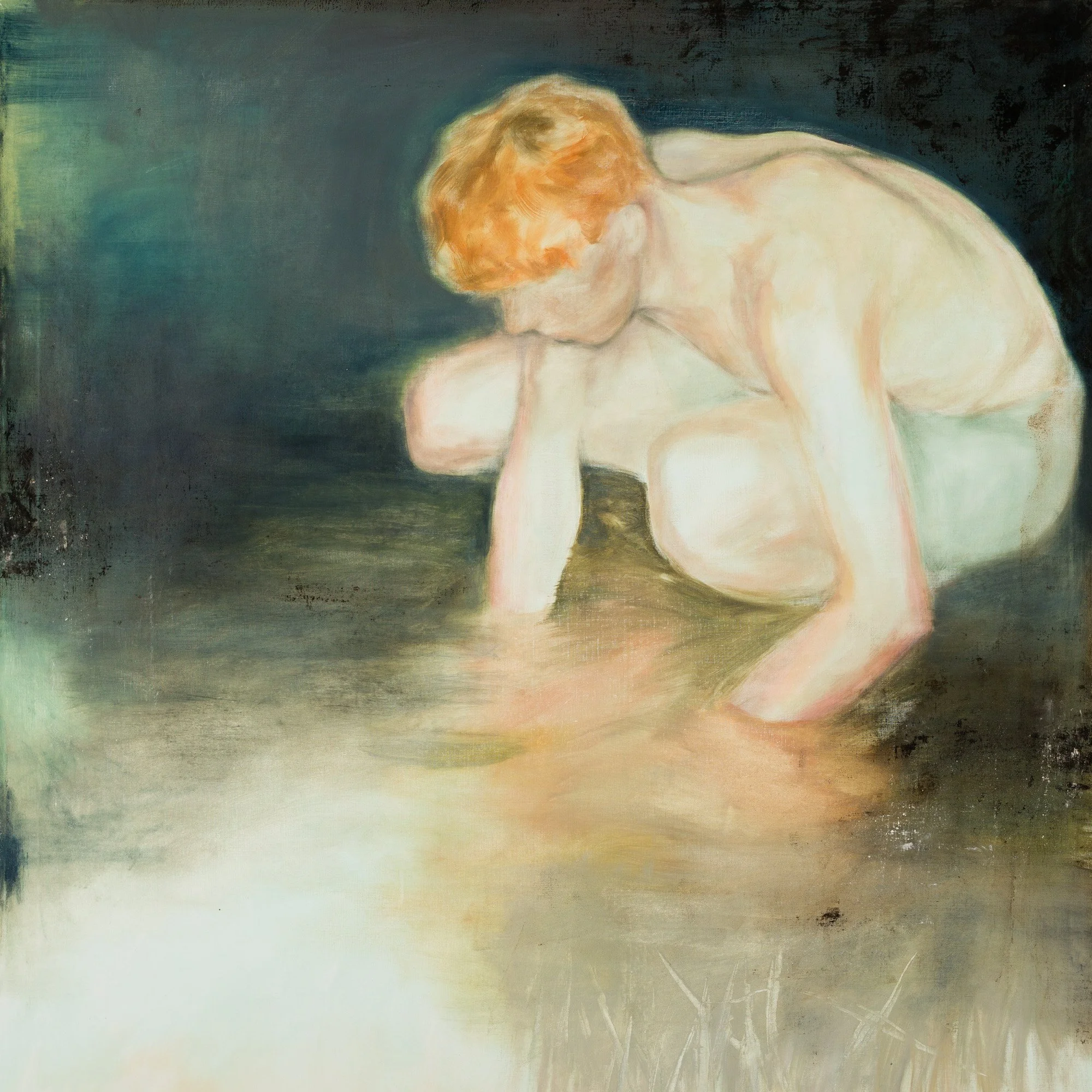
Ester Wala (born 2000, Prague) is a visual artist and a student at the Academy of Fine Arts in Prague, where she studies in the Drawing Studio led by Alice Nikitinová. Her work explores themes of isolation, social pressure, generational exhaustion, and the fragile boundary between reality and imagination.
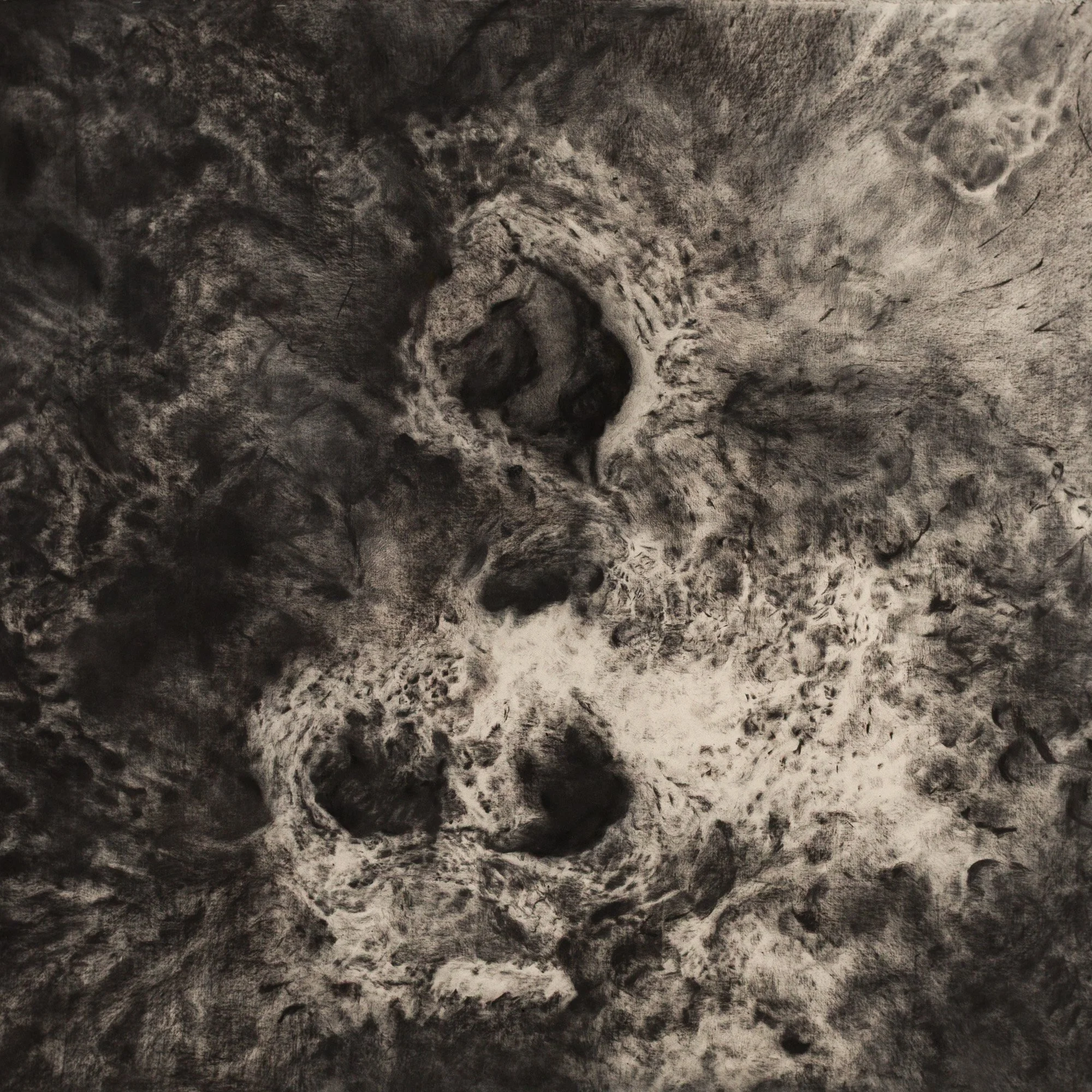
Ondřej Klavík is a visual artist working across drawing, printmaking, object, and spatial installation. His practice is centred on processes of disappearance, excavation, and transformation, exploring the unstable space between presence and absence. Using charcoal on raw canvas, Klavík creates large-scale works that oscillate between landscape, abstraction, and trace, often inspired by quarries, caves, exposed terrain, and places shaped through removal and erosion.
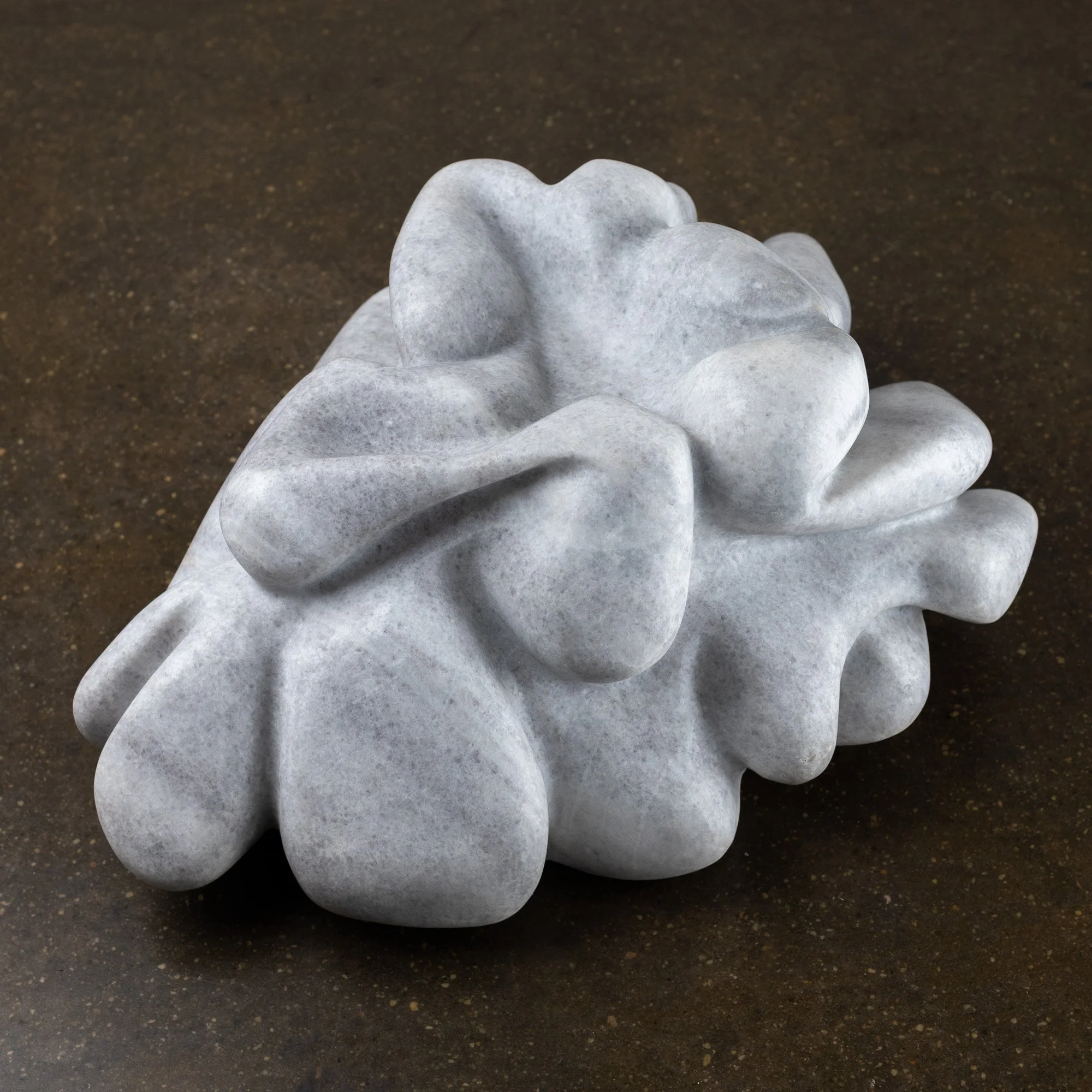
Ema Kissová approaches sculpture as both a physical and intuitive form of expression. For her, stone is not merely a material, but an active partner whose structure, weight, and inner character shape the final form of the work. Her practice develops an organic visual language of forms that evoke seeds, bodies, fossils, or fragments of living organisms. The objects feel both archaic and intimate, as if they were remnants of an unknown biological process or material traces of slow transformation.
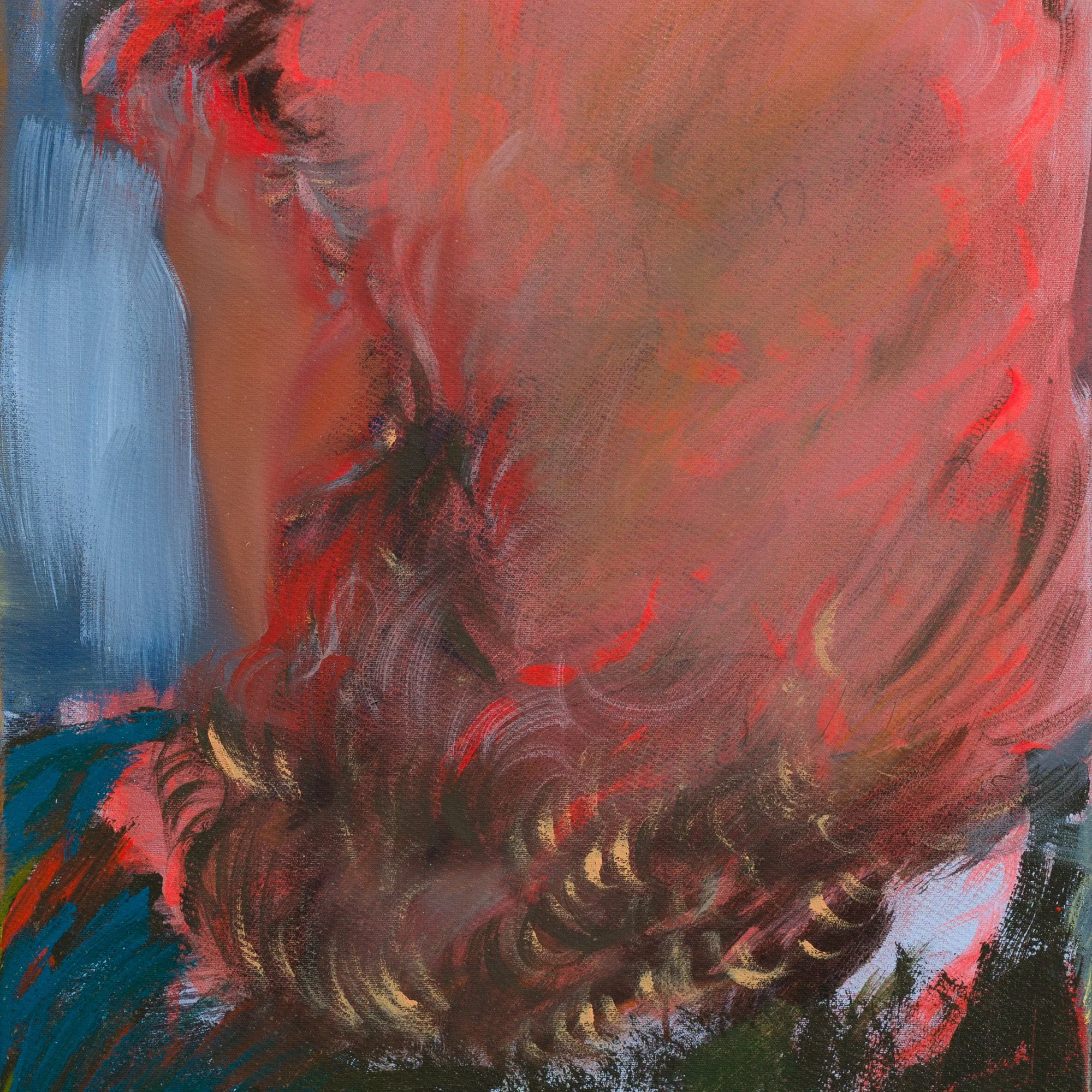
Tereza Mátlová (b. 1996) is a painter based in Ostrava. She studies at the Painting Studio I at the Faculty of Arts, University of Ostrava. Her work develops through a long-term process of layering, repainting, and gradual reduction of motifs. Paintings often emerge in parallel, forming series that evolve during the act of painting rather than from a predefined concept.
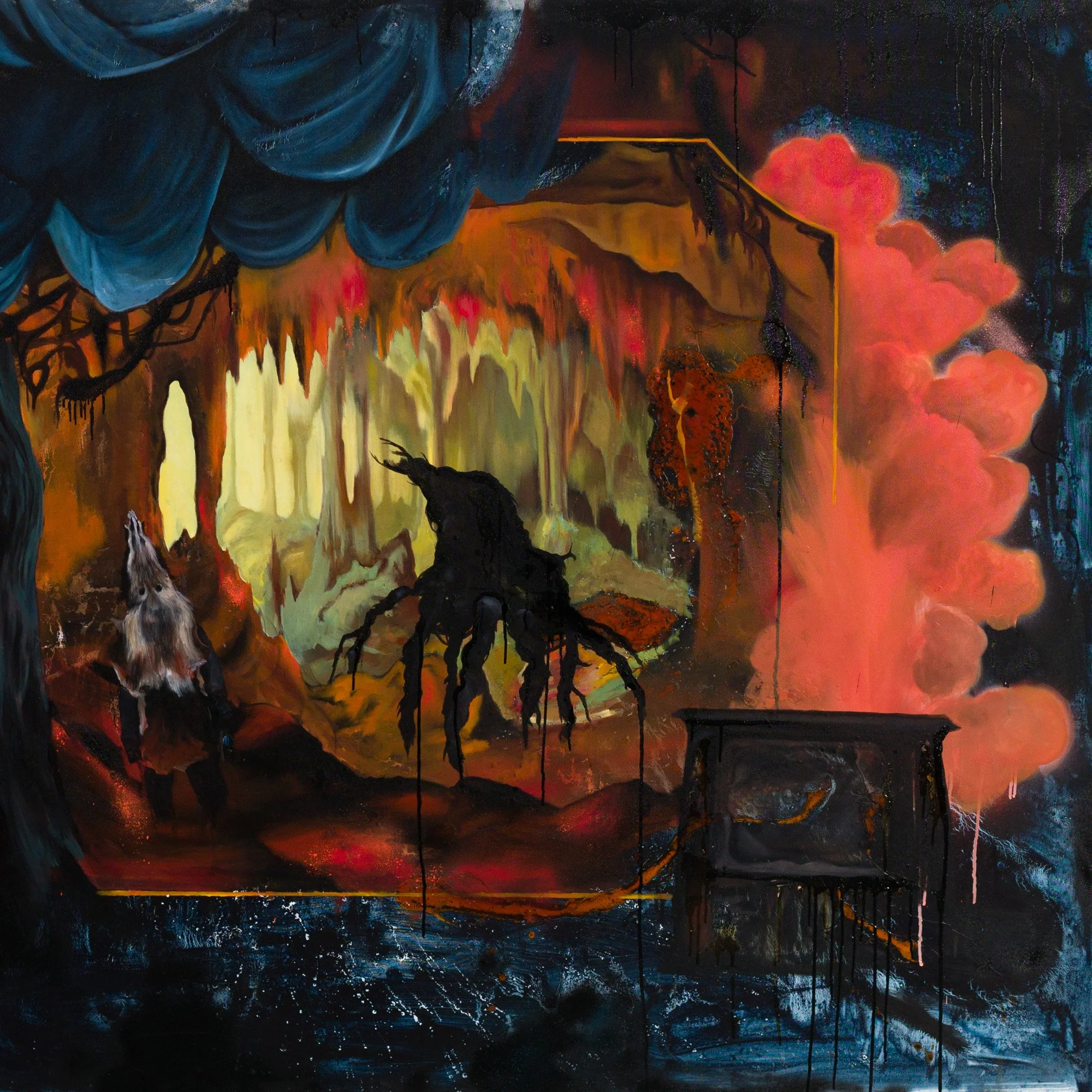
Klára Hartlová is a painter and trained psychologist whose work grows out of the intersection between painting and psychoanalysis. Instead of depicting external, visible reality, she focuses on inner psychological landscapes: emotions, dreams, projections, and fragile mental states that cannot be fully articulated through language. Her paintings read as subtle records of the unconscious, intimate yet quietly disquieting scenes that exist somewhere between memory and imagination.
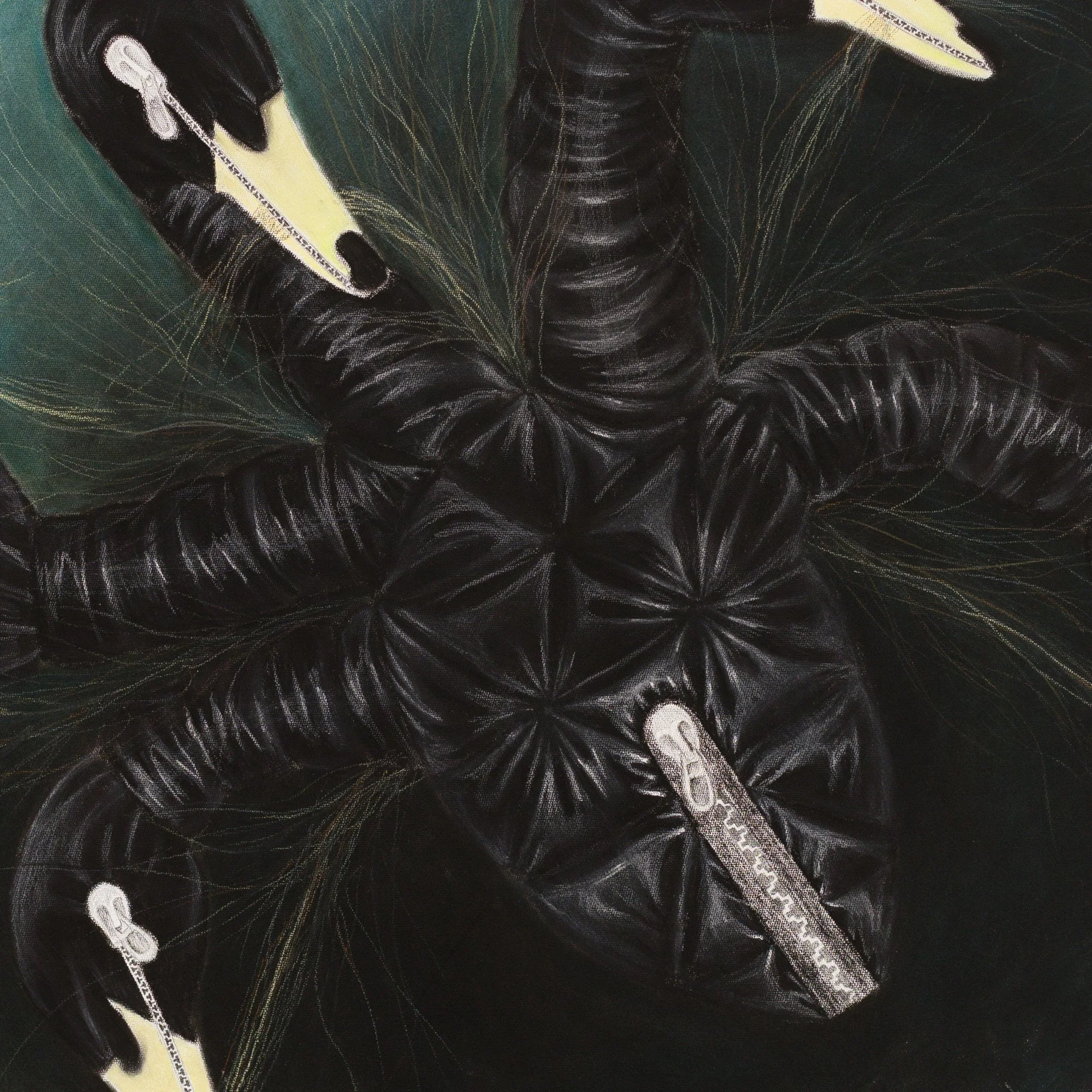
Karolína Netolická (1993, Prague) is a Czech visual artist working primarily with soft pastel drawing and sculptural objects. Her work explores the relationship between the human body and the non-human world — examining how physicality, landscape, and organic forms overlap, and how our perception of nature is reshaped by the artificial materials and symbols of contemporary culture.
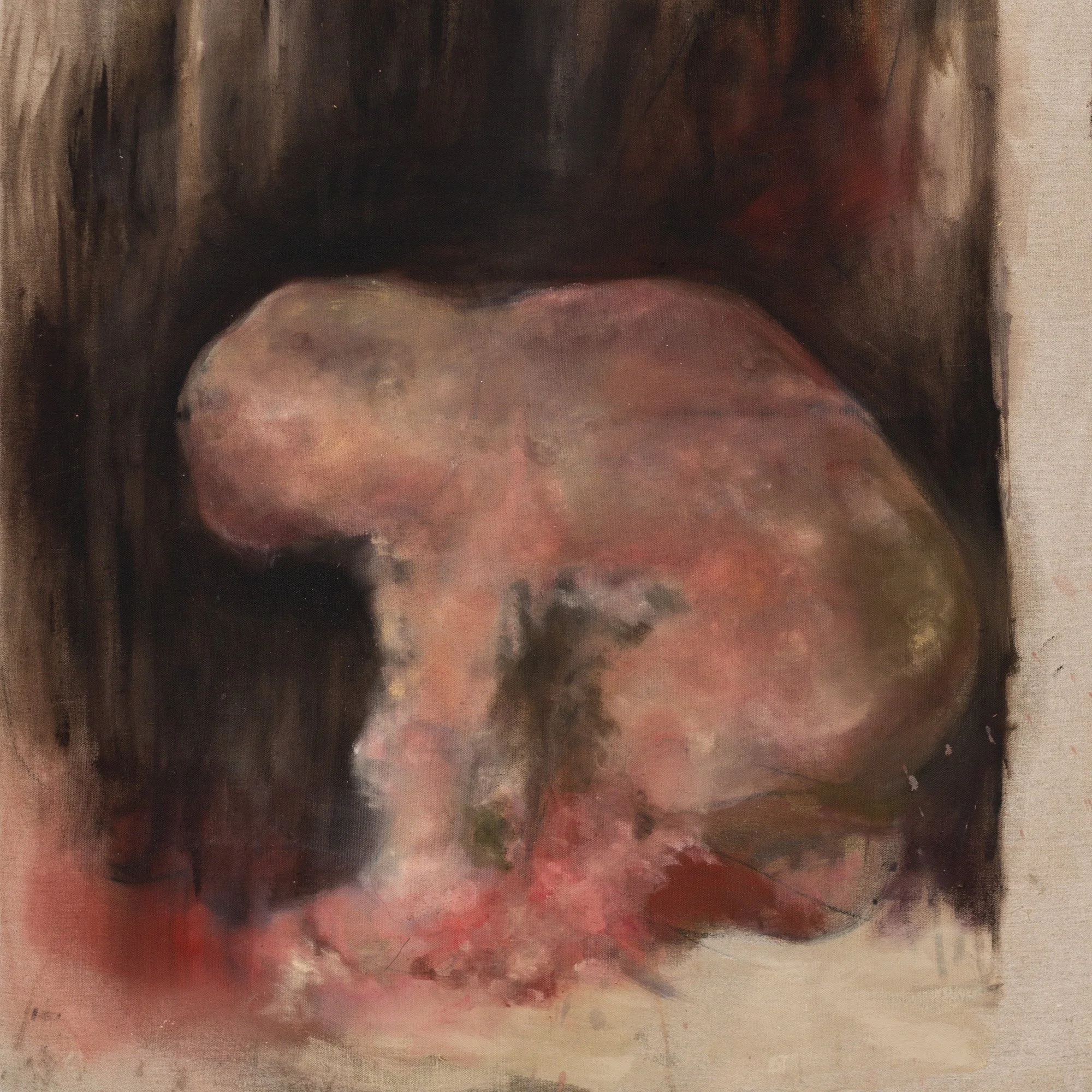
Alexandra Grüner is a Prague-based visual artist working with painting and immersive installation. Her work draws from psychology, memory, and the body, creating fragile spaces between image and sensation.
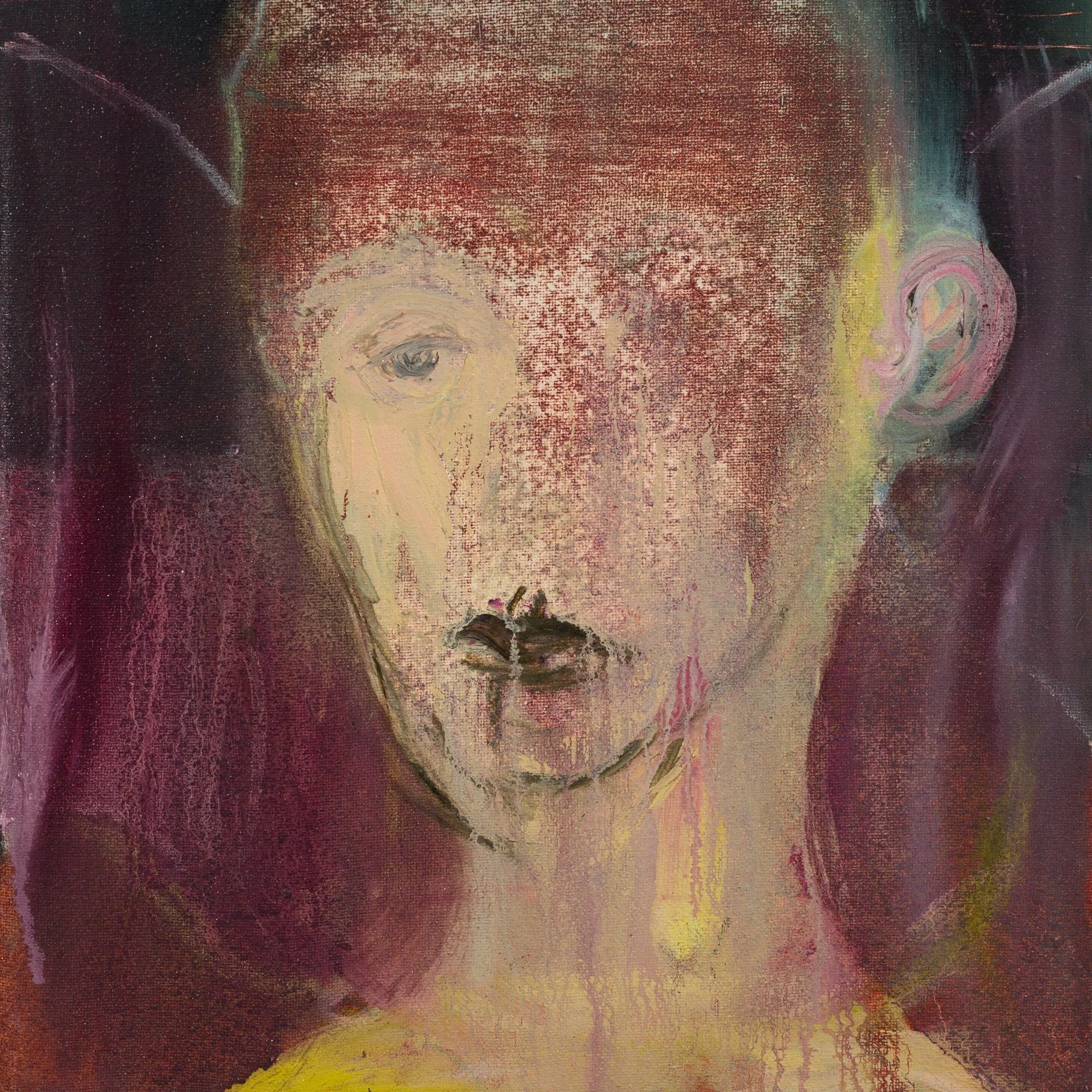
Jan Štulíř is a Prague-based artist whose figurative paintings delve into themes of identity, social roles, and human emotion. Through archetypal characters and timeless landscapes, his work invites reflection and multiple interpretations rooted in personal experience.
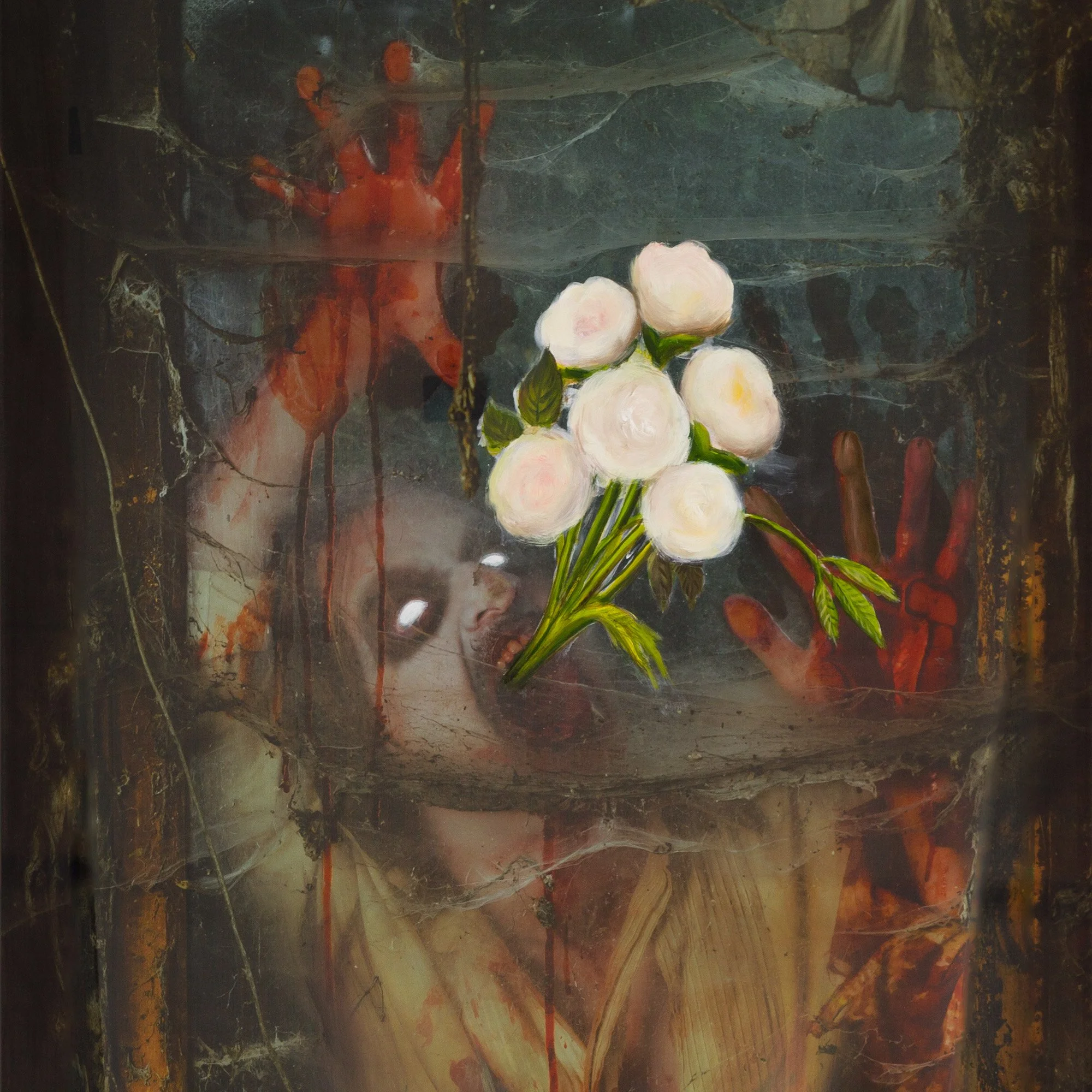
Jiří Petrbok, a prominent Czech painter and visual artist (1962). He is renowned for his expressive style, exploring themes of human transformation and often incorporating provocative motifs. His work spans painting, drawing, graphics, and object creation, with regular exhibitions both in the Czech Republic and internationally.
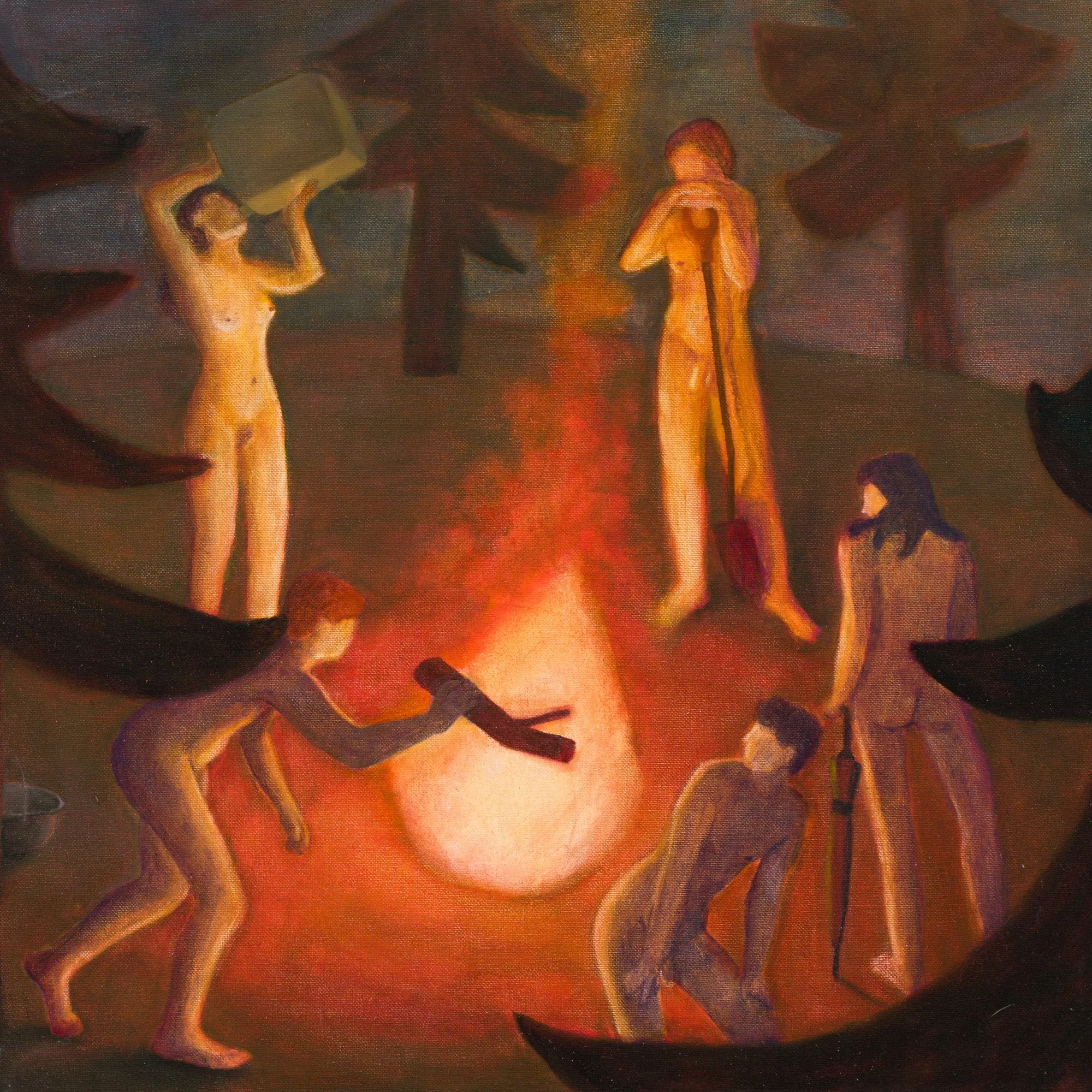
Dora Hlinková’s oil paintings explore nature, humanity, and existential themes, using found materials to tell forgotten stories. Discover her work at HIDDEN Gallery.
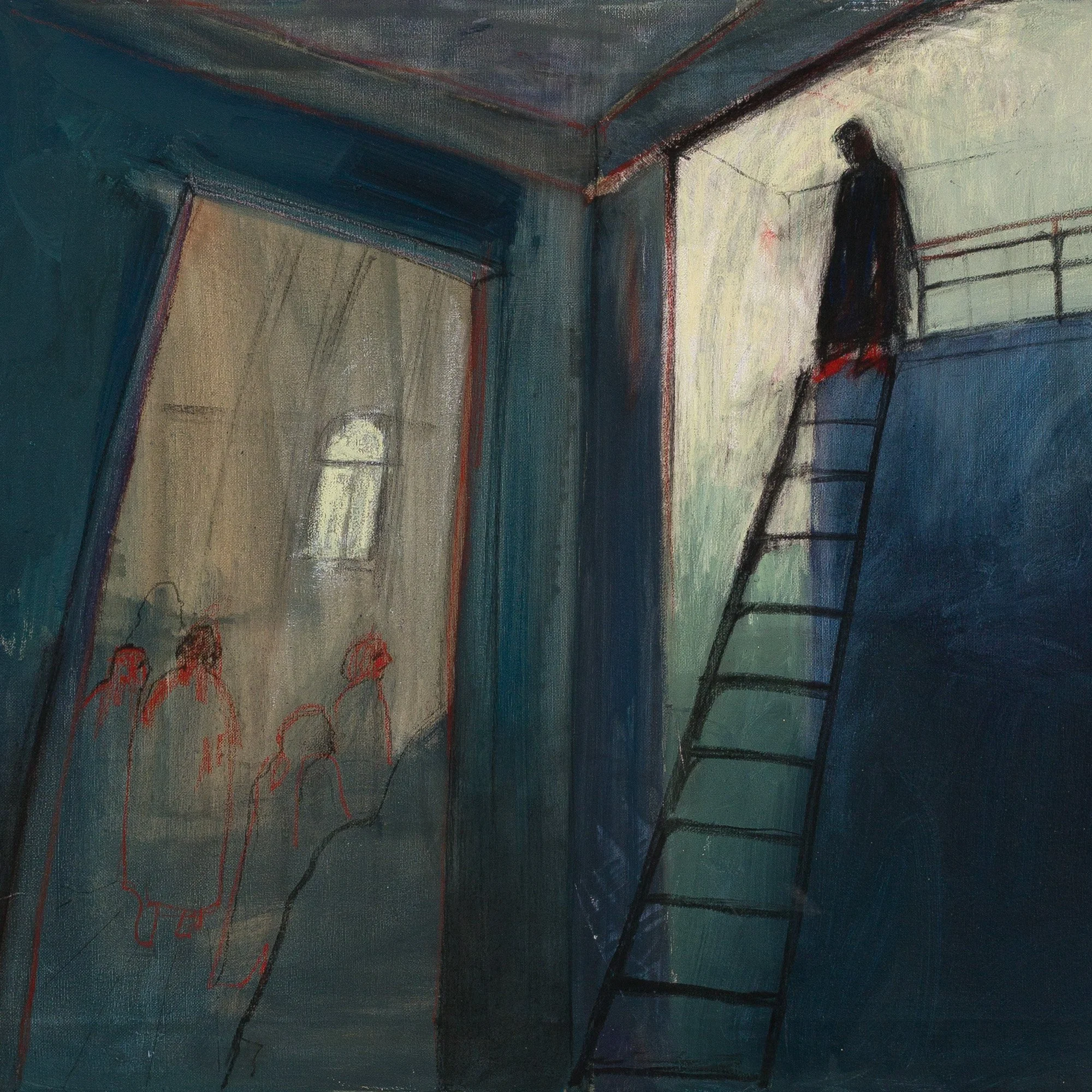
Anna Banytiuk (*2001, Kharkiv, Ukraine) is a young visual artist and graphic designer based in Prague. In her work, she focuses on capturing space, its distortion, and perspectives from unusual angles. She works with a wide range of media, from watercolors and traditional graphic techniques to large-scale paintings. Her pieces often reflect personal experiences of the war in Ukraine and life in exile, characterized by strong emotional depth and profound introspection.
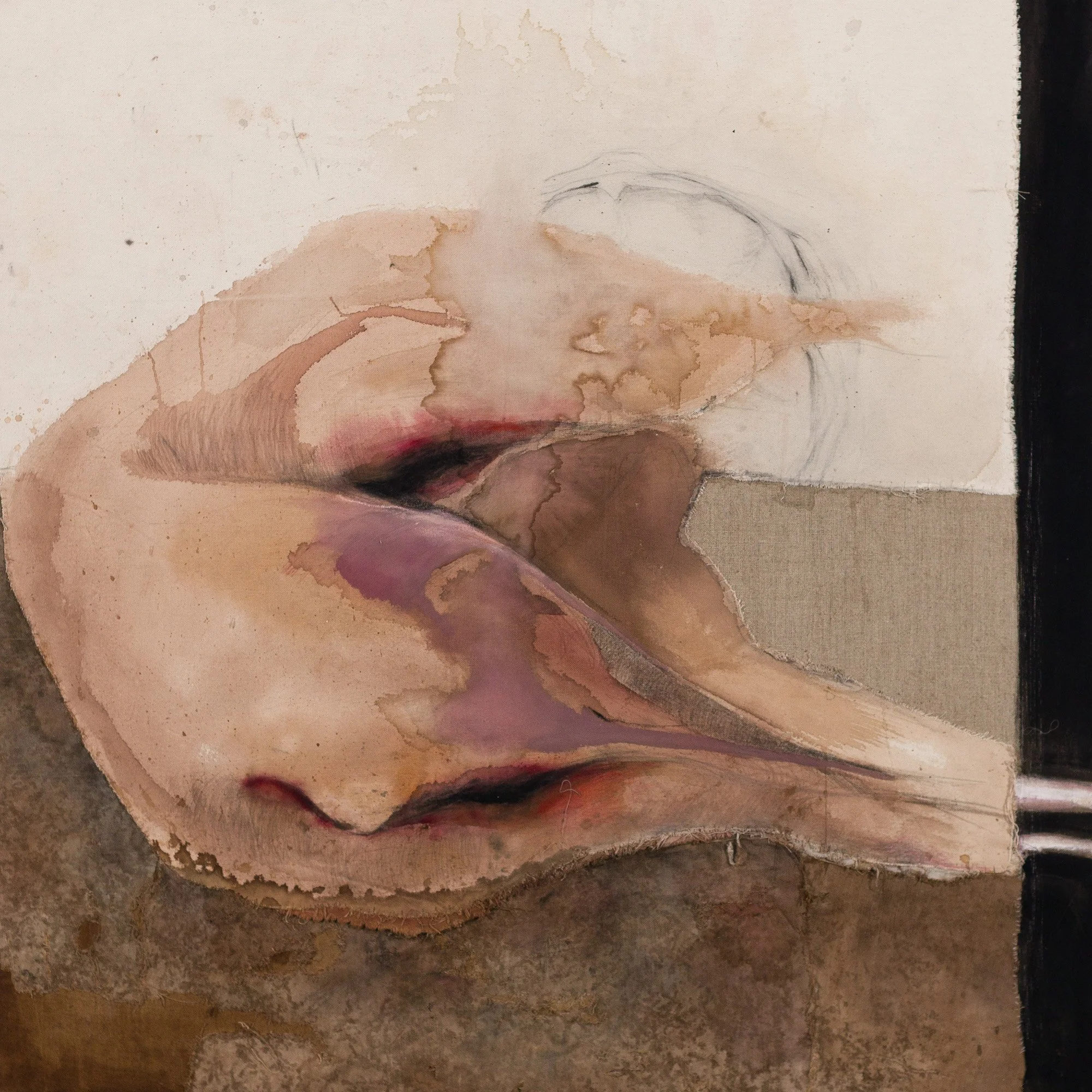
Lucie Hošková, despite her young age (born in 1999), is already an established artist with exhibition experience in Prague, Pardubice, and Kutná Hora. Her works, which blend an abstract informal aesthetic with specific mimetic scenes referencing Gnosticism and Neoplatonism, reveal a surprisingly intricate cosmology.
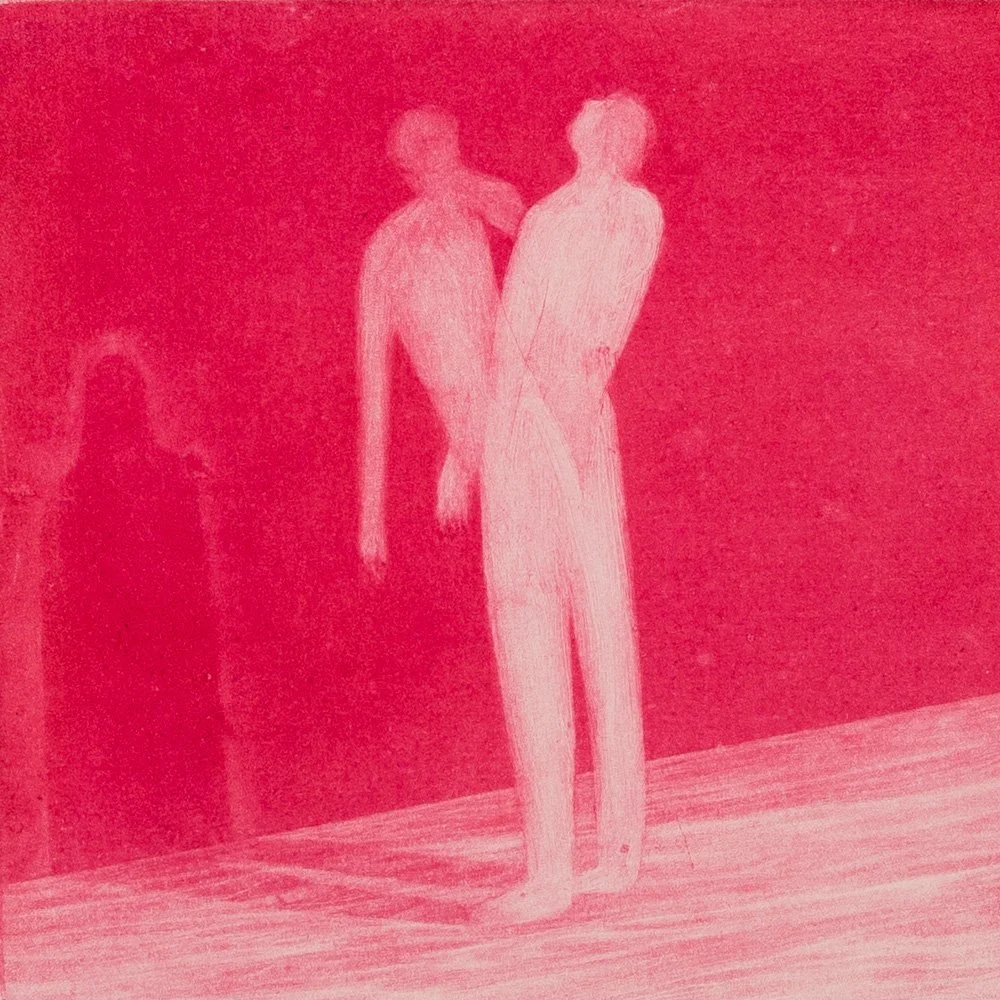
Born in Tokyo in 1994, Yukako Manabe graduated from the Japanese Painting Department at Tokyo University of the Arts and later completed her master's in Printmaking at the same university. She employs techniques from both Japanese painting and printmaking to explore the boundary between everyday life and imagination.
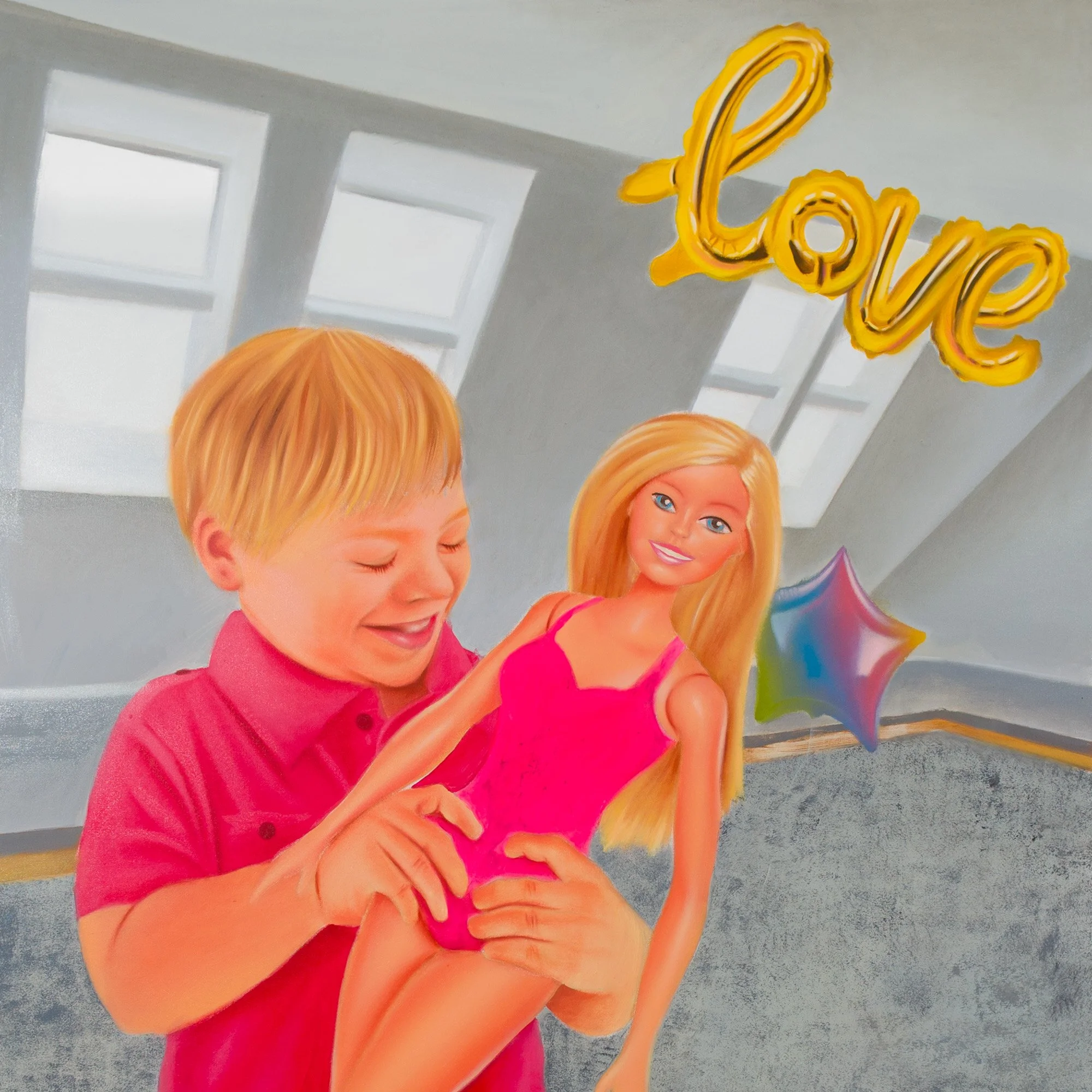
Martin Kolář is one of the most talented current students of AVU. From his very first year, he attracted attention with his highly precise painting technique, combined with an original style that synthesizes the thesis of children amidst mainstream entertainment with the antithesis of social pathology and the cult of institutionalized violence.
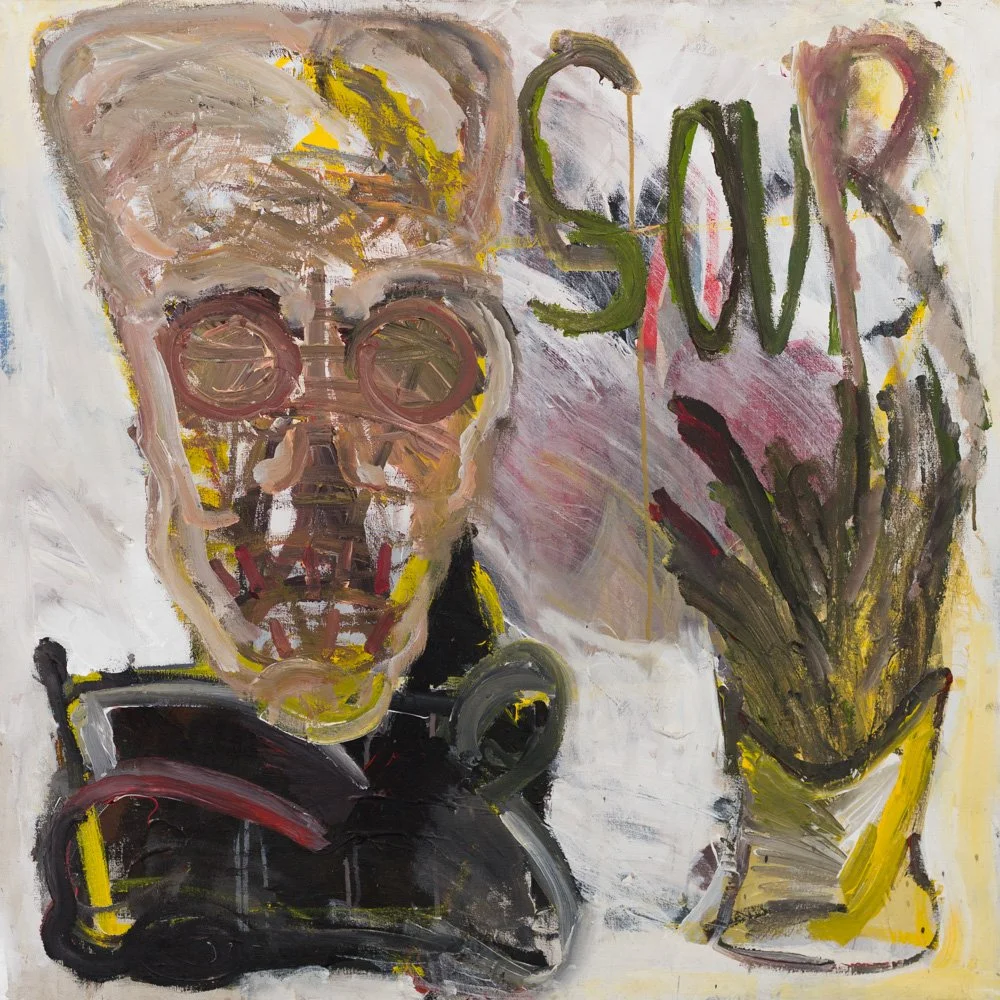
Matěj Pokorný has long been engaged with figurative art, painting, and sculpture, as well as broader themes such as human corporeality, emotionality, and the relationship to identity. His practice often intertwines themes of destruction, chaos, and the uncontrollable. He enjoys navigating the boundary between structure and unexpected outcomes, which is frequently reflected in his approach to materials.
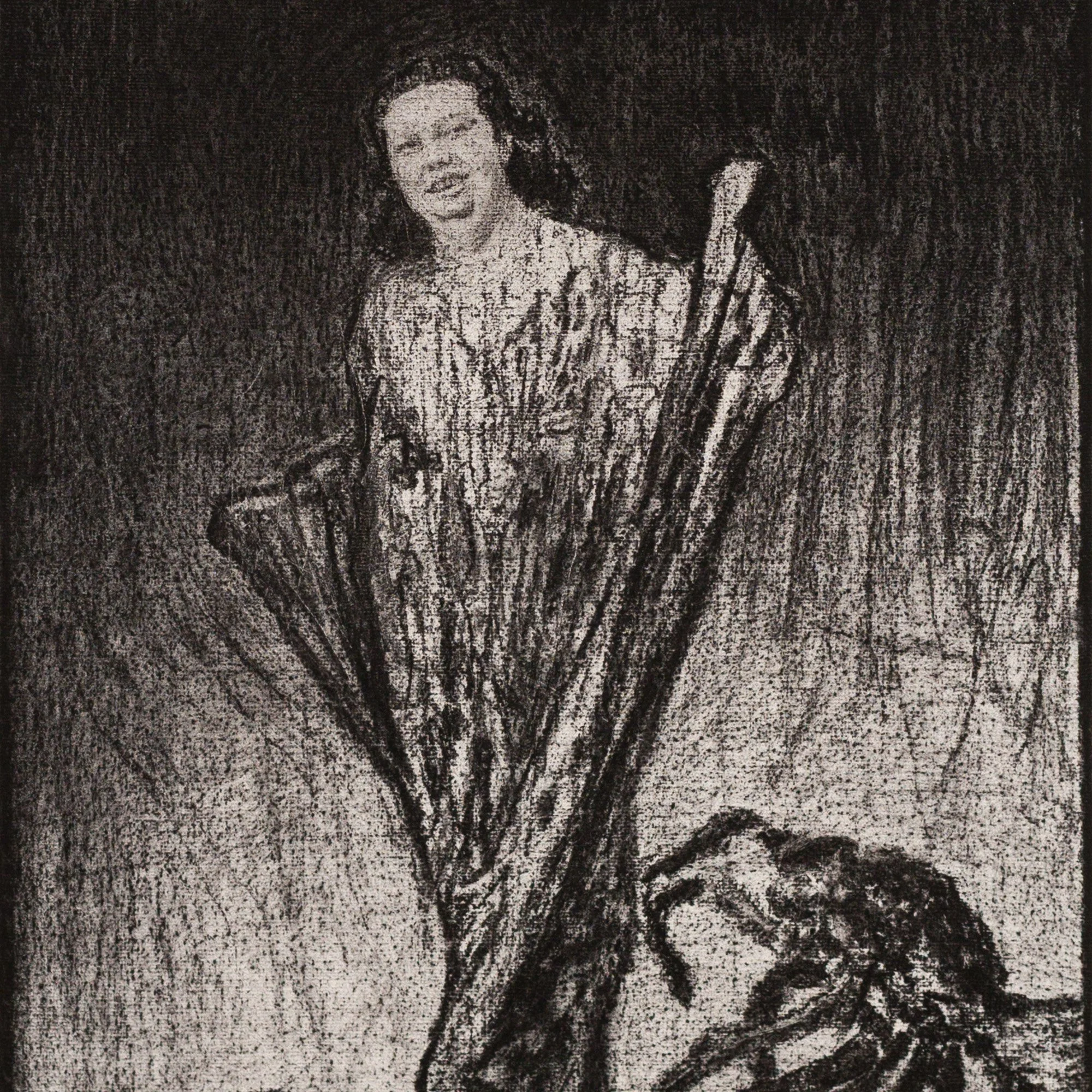
Roman Košťál, born in 1999 in Ústí nad Labem, is a painter and draftsman currently based in Prague. He is best known for his black-and-white charcoal drawings.
His work addresses themes of death, the spirit, the decay of personality after death, and the space between the narrative and the viewer, often using a cinematic aesthetic where black-and-white figures represent deceased and color represents the living.
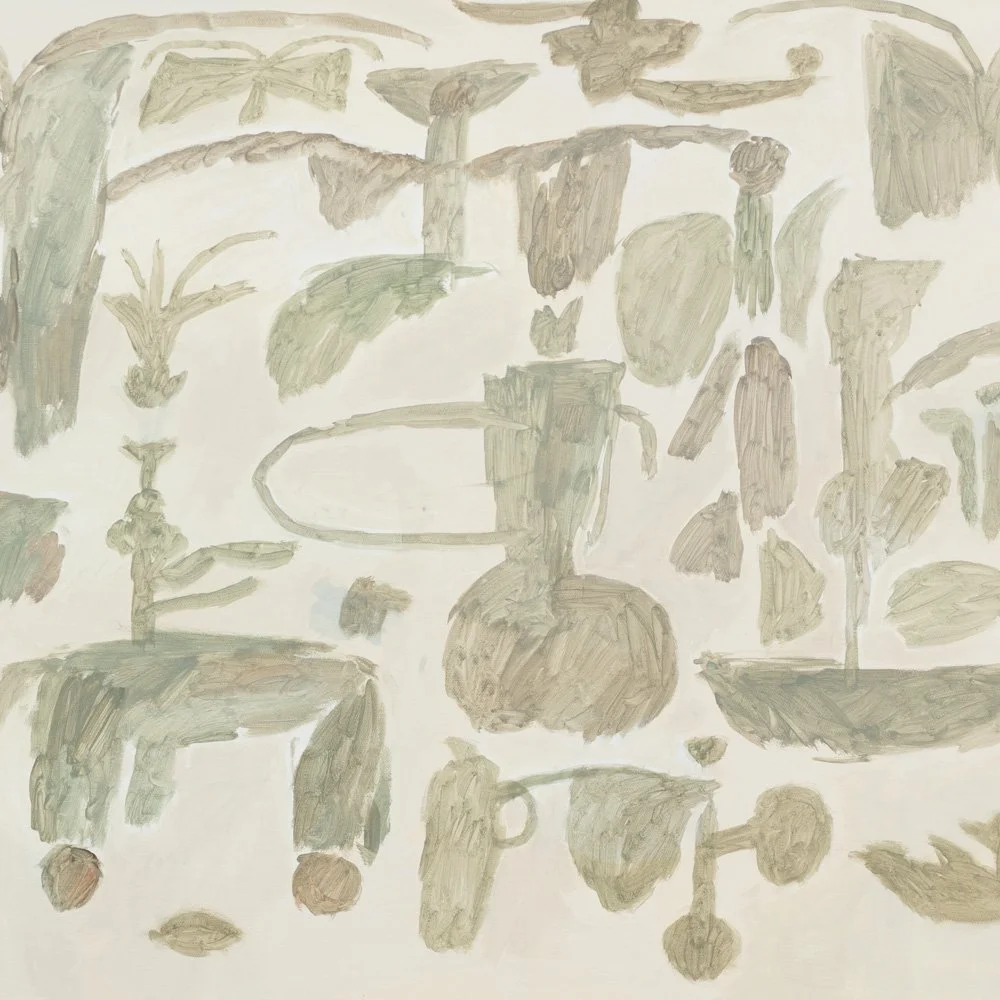
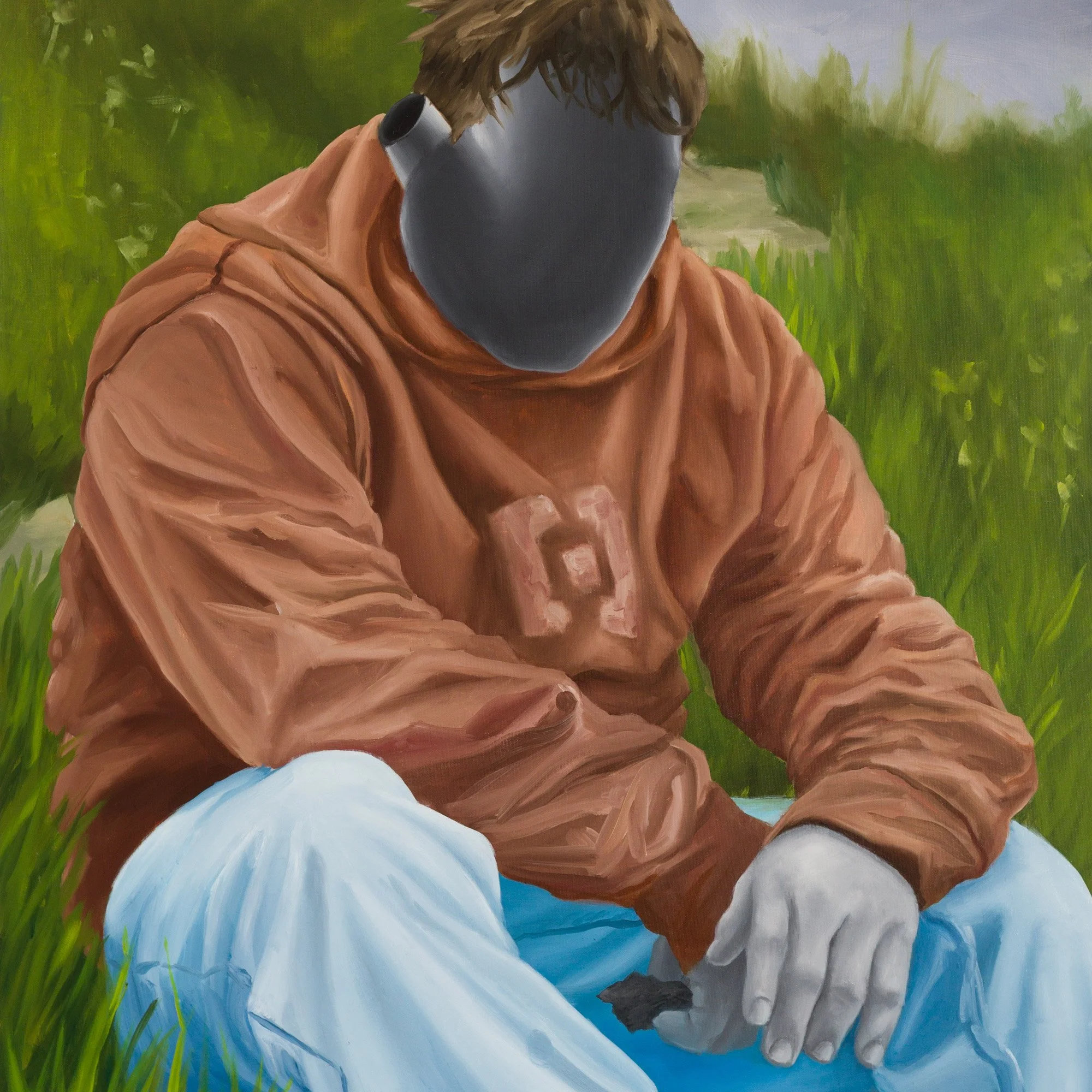
Oskar Hořánek, a graduate of the Academy of Fine Arts in Prague, has swiftly become a prominent figure in contemporary art. His work deftly navigates the boundaries between figurative and abstract painting, drawing inspiration from everyday environments and objects.

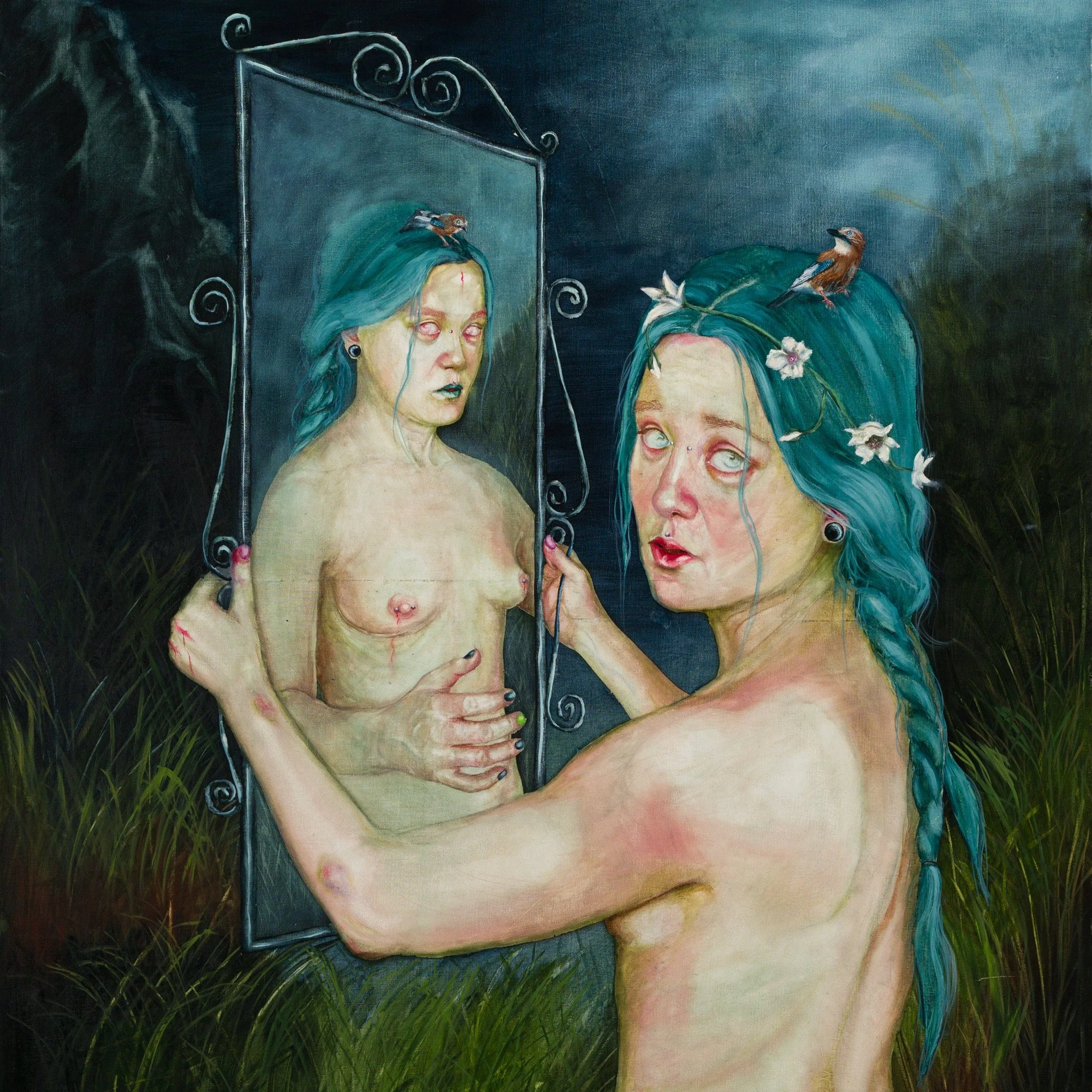
Anna Krištofíková mainly works mainly with her inner symbolism, which began to gradually emerge in her childhood in a secluded place near a forest, and contemporary self-portraits. Her paintings reflect the environment of the forest, wells and ponds and the mysticism of her childhood belief in the supernatural. At the same time, the paintings reflect her contemporary self and her inner emotional struggles. Most of the action in the paintings takes place after sunset or at dawn, and the most common colors are dark blues and greens.
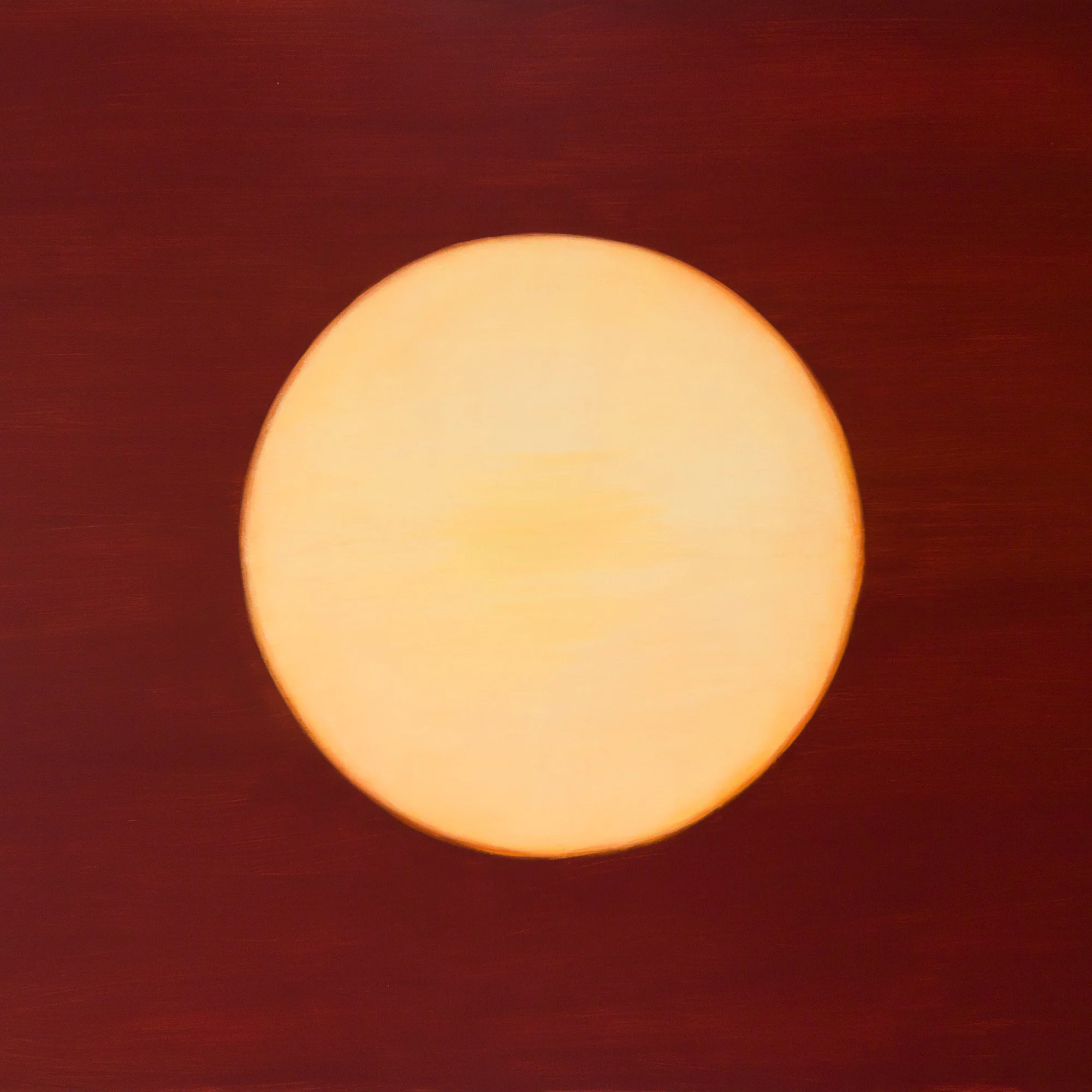
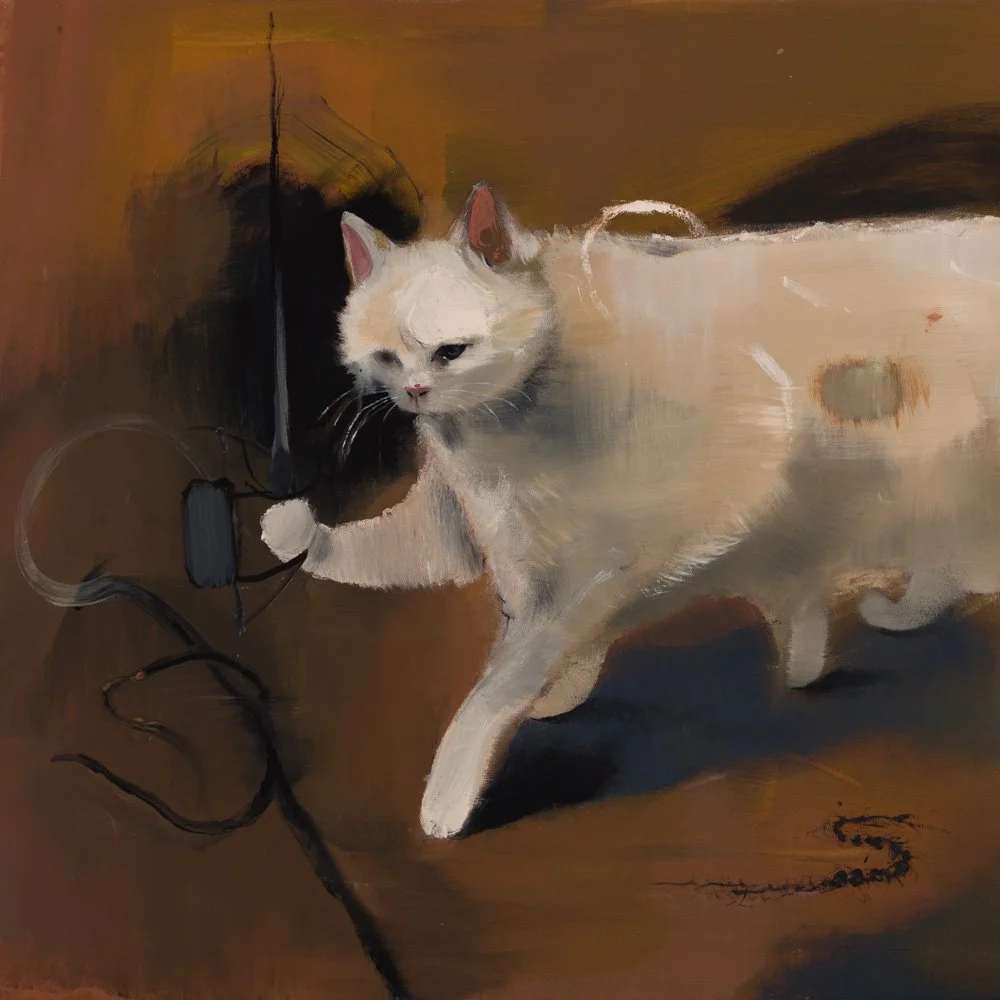
Monika Chlebek has exhibited extensively throughout Poland, as well as a solo show in Japan and group shows in Germany, Austria, Hungary, and Italy. Primarily a painter, Chlebek’s practice centers around figurative motifs such as animals, people, and objects, elements of reality in her everyday life which attract her attention. She follows her intuition, working from what is immediate and intimate to her but endeavouring to synthesise from it a universally accessible visual language with which to speak to universal experiences. Chlebek’s process involves the distillation of reality, stripping down the excess of fragments of life to yield pure motifs, naked of context, allowing for direct engagement free of presumption or preconception.
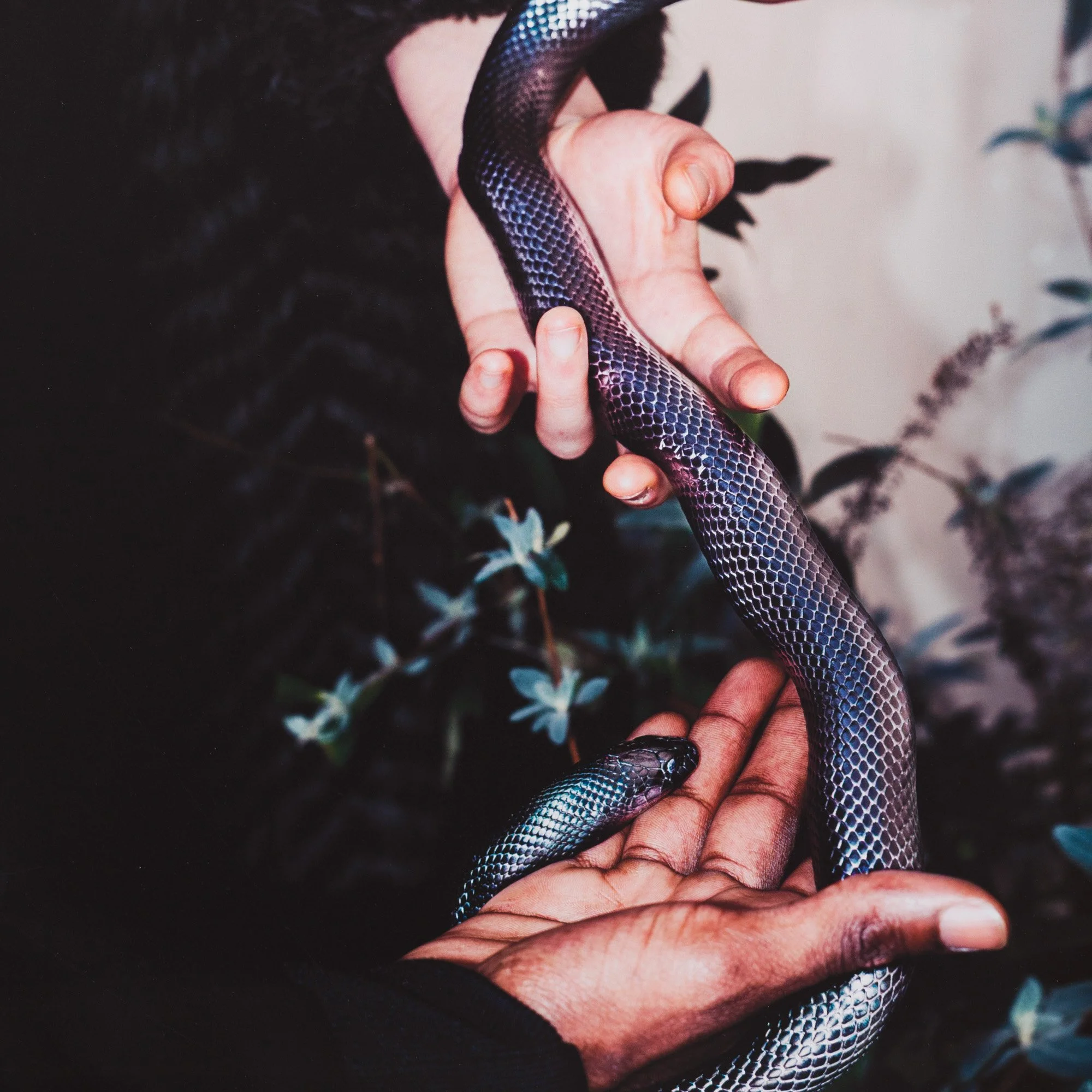
Anna Ruth, a graduate from the Academy of Fine Arts in Prague (2022). Mentored by Jiří Petrbok and Martin Gerboc, she embodies contemporary neo-romanticism, weaving personal mythology with fragments of diverse cultures. Her work reflects the evolution of human society, intertwining real historical events with myths.
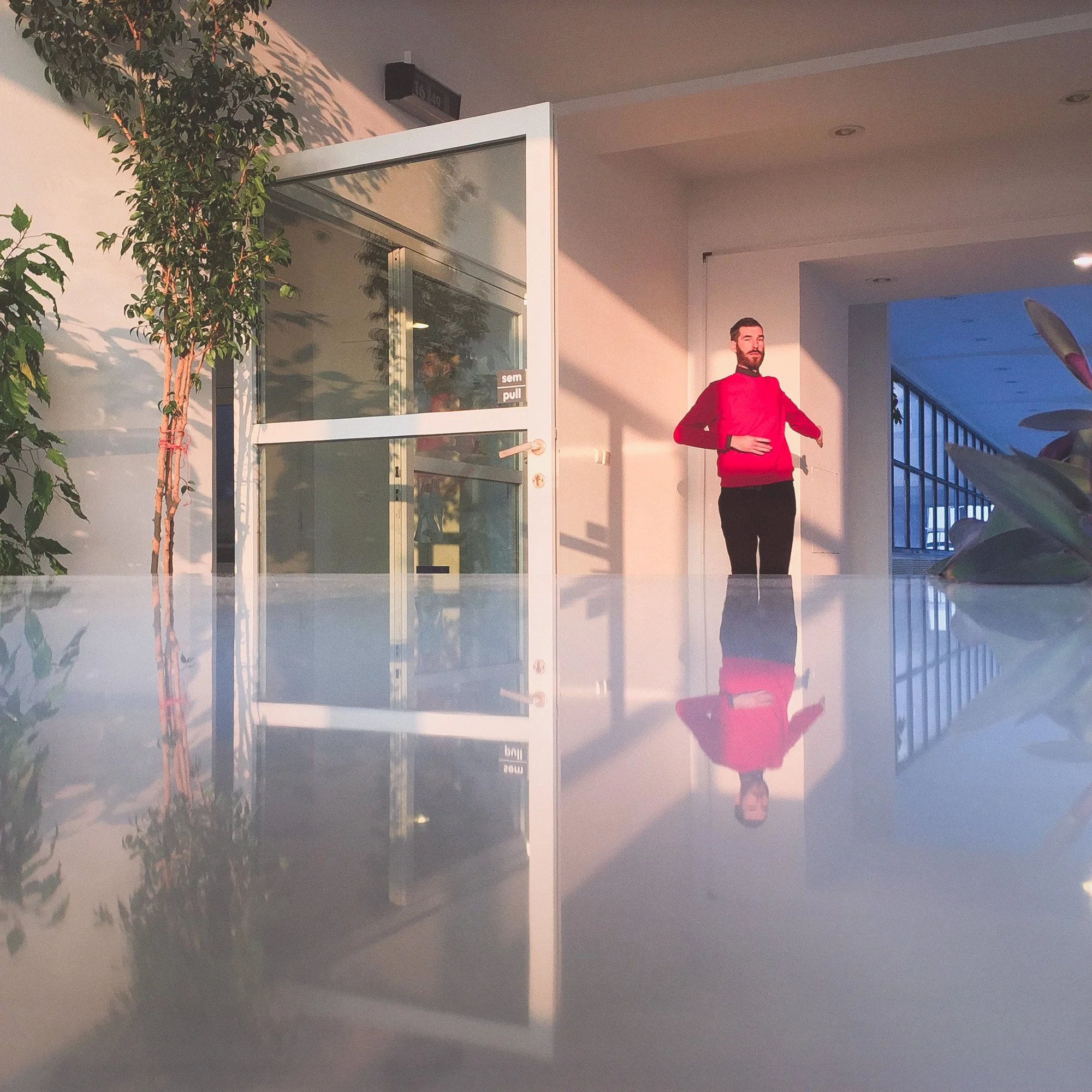
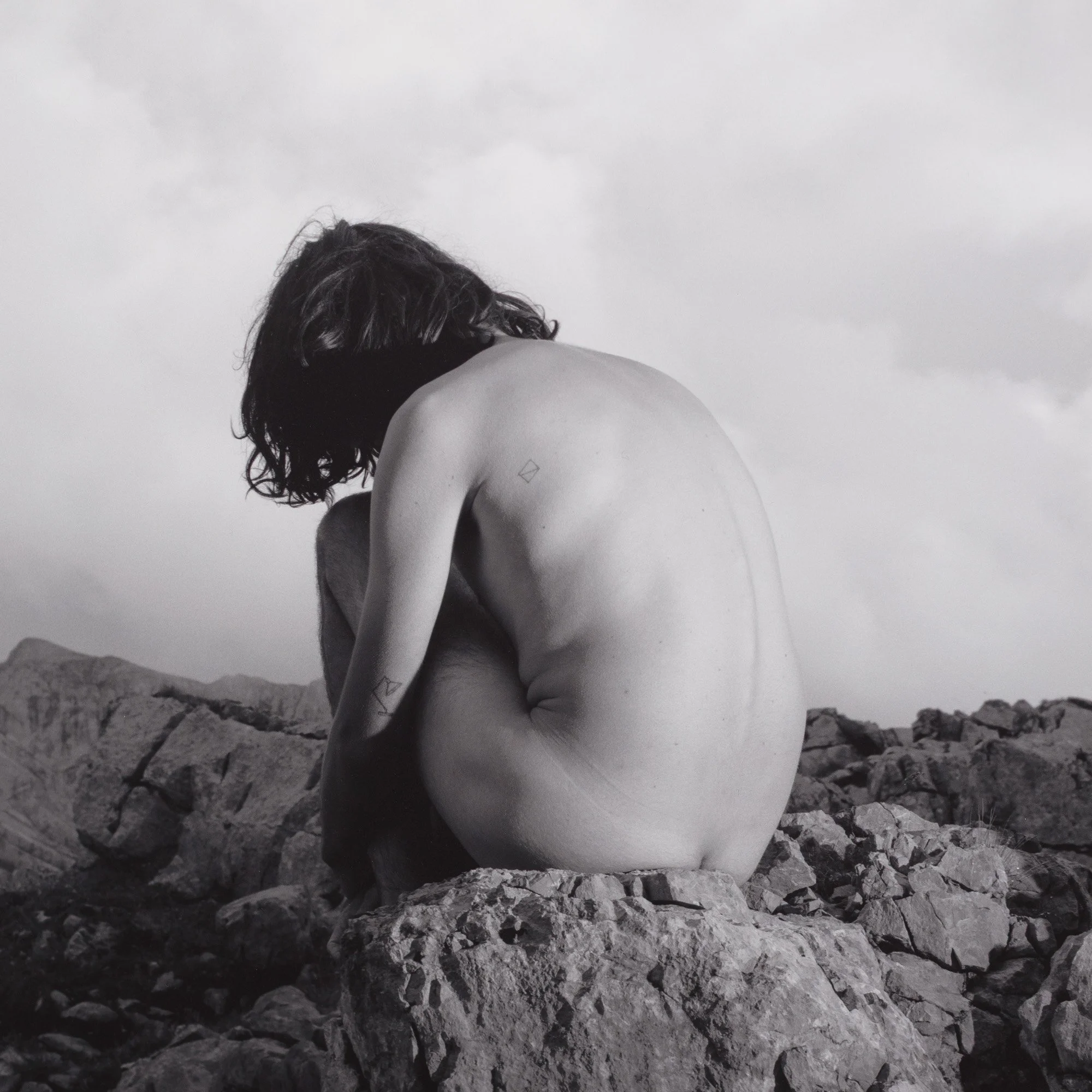
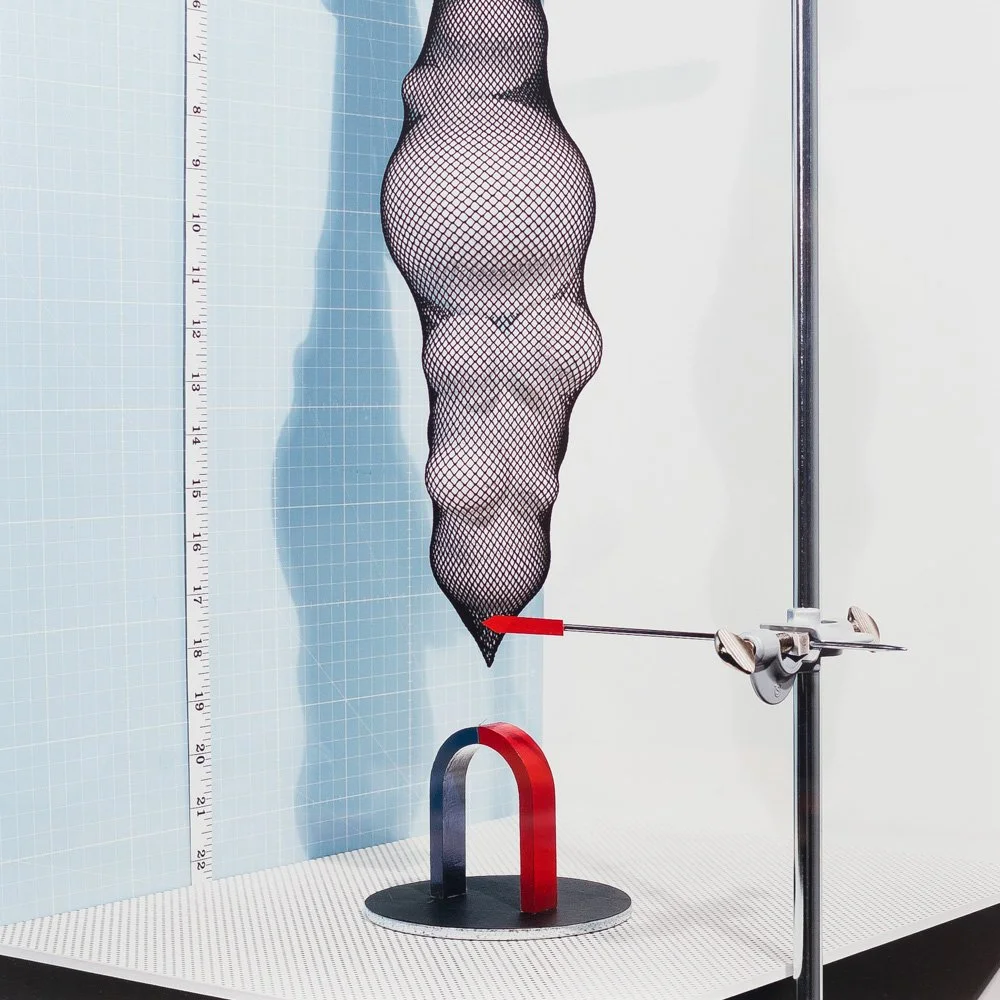
Felix Schöppner is a German Photographer, born in the 90’s and raised in south Hesse. In 2010 he started studying Communication Design at University of Applied Science Darmstadt with focus on photography. He graduated in 2021 with a mixed media project about nature and human perception, which is still ongoing. Since 2021, he has been attending the Bauhaus University Weimar for a master's degree in visual communication.
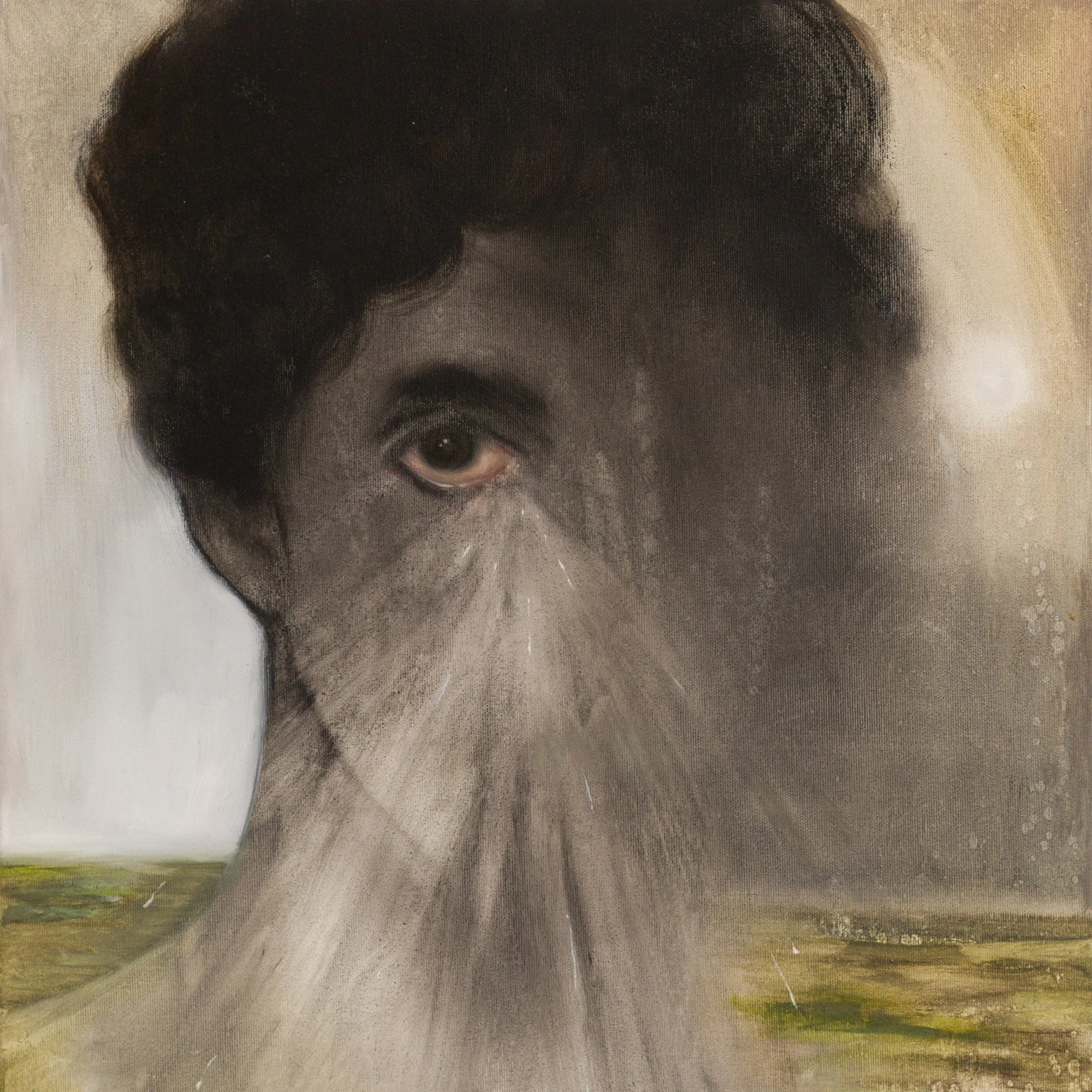
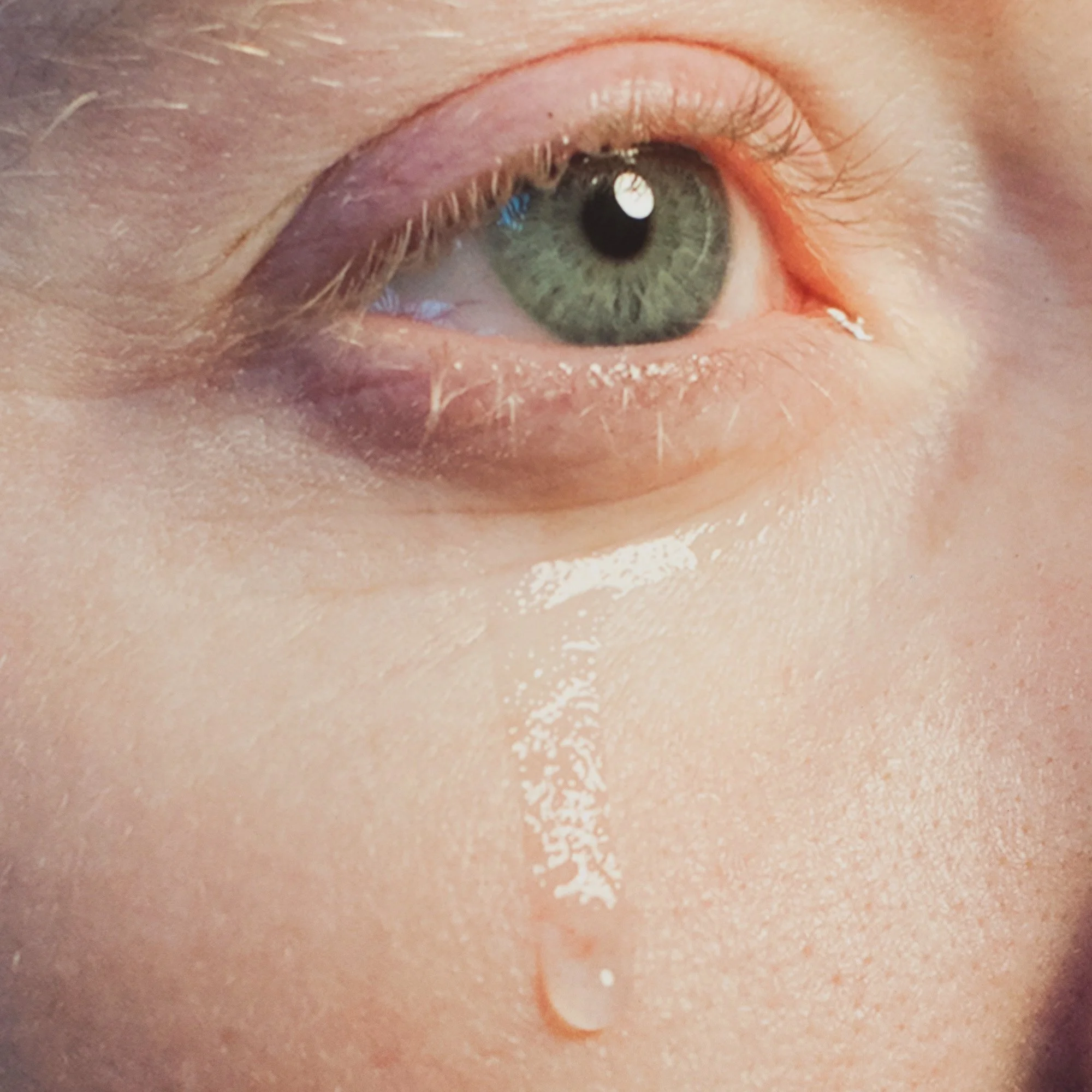
Dimensions: 14 × 80 cm
Medium: Digital print on aluminum composite panel
Year: 2020
Edition: 1/20, first in an edition of 20